
Beautiful Plants For Your Interior
Beautiful Plants For Your Interior
There’s nothing like watching a hibiscus plant explode with blooms—those giant, tropical flowers that turn any space into a vacation spot. I’ve spent years perfecting the care routine that keeps my hibiscus flowering nonstop, and the difference between a struggling plant and a showstopper comes down to four key factors. Most people overcomplicate this, but […]
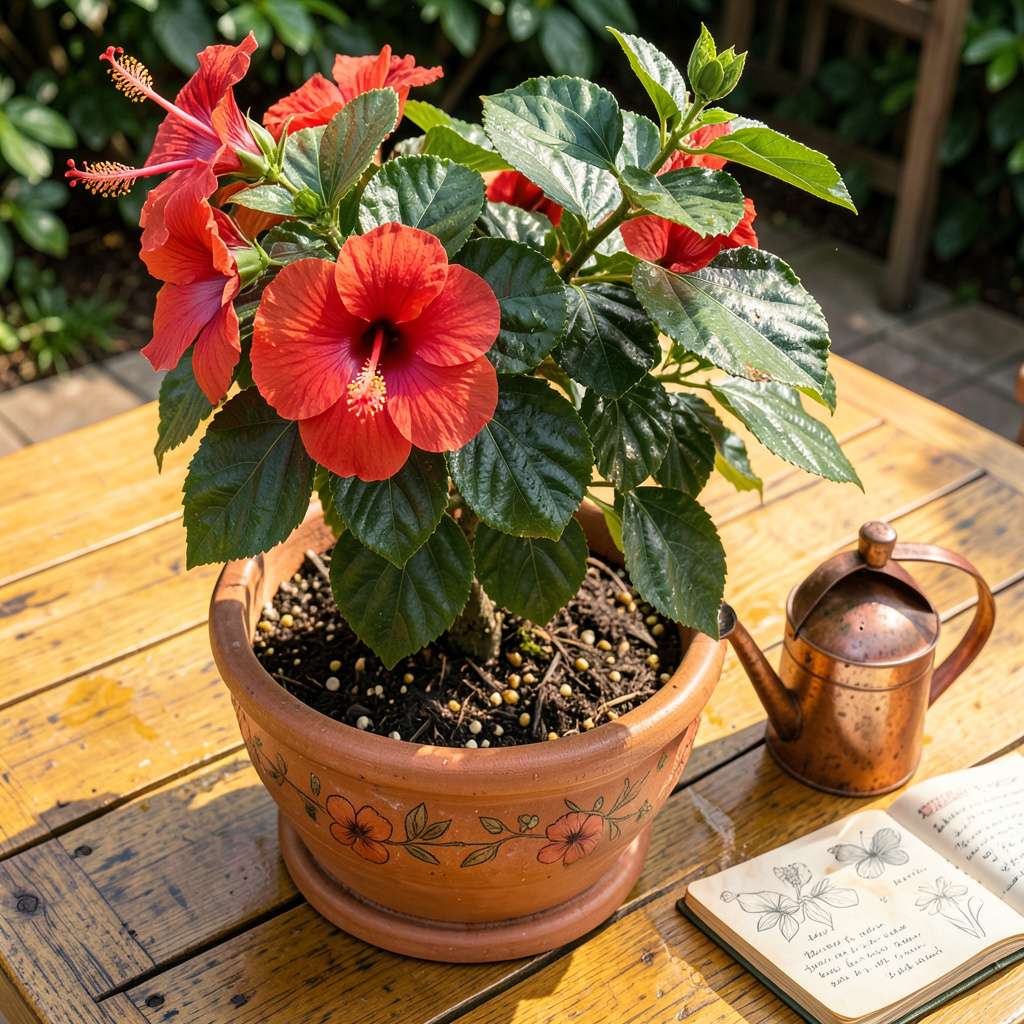
There’s nothing like watching a hibiscus plant explode with blooms—those giant, tropical flowers that turn any space into a vacation spot. I’ve spent years perfecting the care routine that keeps my hibiscus flowering nonstop, and the difference between a struggling plant and a showstopper comes down to four key factors.
Most people overcomplicate this, but the truth is simpler: consistent moisture without soggy roots, sunlight that mimics their native climate, and a feeding schedule that matches their growth cycles. My plants start pushing new buds in early spring and don’t quit until the first frost—some varieties even bloom through winter indoors with the right conditions.
You’ll know you’ve nailed it when you see dark green leaves and multiple buds forming at once. The flowers last longer, the colors stay vibrant, and the plant actually gets healthier the more it blooms. No more sad, leggy plants with just a few sparse flowers—this approach delivers that tropical paradise look all season.
Works for potted plants on patios, in-ground specimens in warm climates, and even indoor hibiscus in sunny windows. The same principles apply whether you’re growing the classic red varieties or those rare double-petal hybrids that stop traffic.
📚 In This Guide
Here’s my proven approach to maintaining those stunning tropical blooms month after month.
Hibiscus plants need consistent moisture but despise soggy roots. I water deeply when the top 1-2 inches of soil feel dry to the touch, which typically means every 2-3 days in summer and weekly in cooler months. Always water at the base rather than overhead to prevent fungal issues on those gorgeous blooms.
Use room-temperature water to avoid shocking the roots. In containers, water until it runs freely from the drainage holes, then empty the saucer after 30 minutes. The leaves will tell you when you’re getting it right—they’ll look perky and vibrant, not droopy or yellowed.
These heavy feeders need consistent nutrition to produce their signature flowers. I apply a balanced, water-soluble fertilizer (like 10-10-10 or 20-20-20) every 10-14 days during active growth. For even better results, switch to a high-phosphorus formula (such as 7-9-5) when buds begin forming to encourage more blooms.
Always fertilize moist soil to prevent root burn, and follow package directions for dilution rates. You’ll see the difference in 2-3 weeks—darker green leaves and an explosion of new flower buds. Don’t overdo it though; yellowing leaf edges signal too much fertilizer.
Hibiscus thrive in full sun (6+ hours daily) but appreciate afternoon shade in extremely hot climates. I position my plants where they get morning sun and filtered afternoon light. If growing indoors, place near a south-facing window or supplement with a grow light for 12-14 hours daily.
Watch your plant’s response: Leaves reaching toward the light mean it needs more, while pale or bleached leaves indicate too much direct sun. The perfect light balance shows in deep green leaves and abundant flower production. Rotate potted plants weekly for even growth.
Regular pruning encourages bushier growth and more flowering sites. I trim back leggy stems by one-third in early spring, just as new growth begins. Throughout the growing season, I pinch off spent blooms (deadhead) immediately after they fade to redirect energy to new flower production.
Use clean, sharp pruners and make cuts at a 45-degree angle just above a leaf node. This prevents water pooling on the cut surface and encourages new growth. You’ll often see fresh buds forming within 2-3 weeks of pruning.
Hibiscus perform best when daytime temperatures stay between 65-85°F and nighttime temps don’t drop below 50°F. In cooler climates, bring potted plants indoors before nighttime temperatures dip below 55°F. These tropical plants also love humidity—aim for 50-60% relative humidity.
For indoor plants, I place the pot on a pebble tray filled with water (keeping the pot above water level) or use a room humidifier. You’ll notice the difference immediately—leaves stay lush and flowers last longer. Drafty windows or heating vents can stress the plant, so keep it in a stable environment.
After years of trial and error (and more than a few sad, bloomless plants), here’s what I’ve learned about keeping hibiscus happy.
Watering Wisdom: That 1-2 inch soil check in Step 1 is everything. I use my index finger to test—when it comes out clean, it’s time to water. In summer’s peak heat, you might need to water daily rather than every 2-3 days, especially for container plants. The 30-minute saucer emptying prevents root rot, which I learned the hard way after losing two plants to overwatering.
Fertilizer Timing: The 10-14 day feeding schedule in Step 2 works perfectly when you alternate between balanced and high-phosphorus fertilizers. I mark my calendar to switch formulas when I see the first flower buds forming. Remember, those yellow leaf edges mean you’ve overdone it—flush the soil with water if that happens.
Pruning Technique: When trimming back stems by one-third in Step 4, always cut just above a leaf node where new growth emerges. I use rubbing alcohol to clean my pruners between cuts to prevent disease spread. The 45-degree angle isn’t just for looks—it helps water run off instead of pooling on the cut surface.
Temperature Transition: That 55°F threshold in Step 5 is critical. I’ve found that even brief exposure to cooler nights can cause leaf drop. When moving plants indoors for winter, do it gradually over a week to avoid shocking the plant. A sudden temperature change from 85°F to 65°F can cause bud drop before flowers even open.
Got questions about keeping your hibiscus blooming like a tropical superstar? You’re not alone! Here are the most common questions (and quick answers) to help your plant thrive.
Lack of blooms often stems from over-fertilizing with nitrogen (promotes leaves, not flowers) or inconsistent watering. Switch to a high-phosphorus fertilizer (like 10-30-10) and ensure the soil stays moist but well-drained. Prune leggy growth to redirect energy to buds!
Feed every 2–3 weeks during spring/summer with a bloom-boosting fertilizer (liquid or slow-release). Cut back to monthly in fall/winter. Pro tip: Dilute fertilizer to half-strength to avoid root burn while maximizing blooms!
Yes! Place it near a south-facing window (6+ hours of sun) or use grow lights for 12–14 hours daily. Maintain 65–75°F temps and humidity (pebble trays help!). Indoor hibiscus may bloom less in winter—supplemental light keeps it happy.
Prune just above a leaf node (where branches meet) to stimulate bushier growth. Remove spent blooms daily to prevent seed pods (they sap energy!). For tropical hibiscus, trim year-round; for hardy types, prune in early spring before new growth.
Bud drop usually signals stress: sudden temp changes, underwatering, or pests (like aphids). Keep soil evenly moist, avoid drafts, and inspect leaves for bugs. A balanced fertilizer (avoid high nitrogen!) can also stabilize blooming.
With the right care—consistent watering, bright sunlight, and smart pruning—your hibiscus can reward you with stunning blooms all season long! 🌺 Remember, small adjustments make a big difference, so stay observant and enjoy the process. Ready to put these tips into action? Start by checking your plant’s current light and soil conditions today—your hibiscus will thank you with vibrant, nonstop flowers!
