
Beautiful Plants For Your Interior
Beautiful Plants For Your Interior
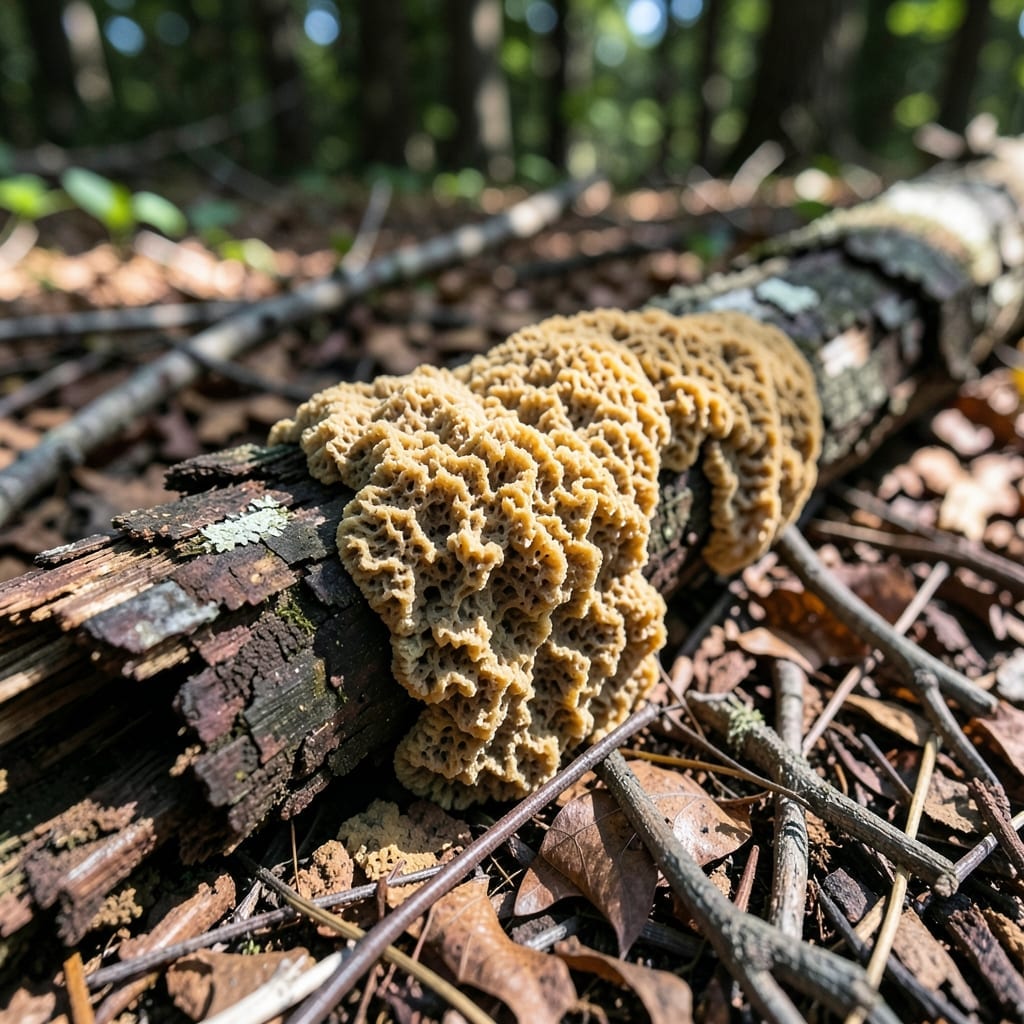
I spotted my first tan slime mold after a week of rain. It looked like someone had splattered mustard-colored custard across my mulch beds.
This stuff moves fast—overnight it can spread across several feet, covering soil, mulch, and even low-growing plants. The good news? It’s not harmful to plants, but it’s sure ugly and can signal excess moisture issues.
Removing it is simple: a rake, a hose, or even just waiting for drier weather usually does the trick. For stubborn cases, a vinegar solution works without chemicals.
Prevention comes down to improving drainage and avoiding thick mulch layers. Here’s how to spot it early and keep it from coming back.
Tan slime mold thrives under specific environmental conditions, often appearing suddenly in lawns, gardens, or mulched areas. Understanding the root causes helps you prevent and manage its spread. Below are the primary factors that contribute to its development.
Slime molds, including tan varieties, flourish in damp environments. Prolonged periods of rain, overwatering, or poor drainage create the perfect habitat. The excess moisture softens plant debris and organic matter, allowing the mold to feed and spread rapidly. To mitigate this, ensure proper drainage in your yard and avoid overwatering grass or garden beds.
Tan slime mold feeds on decaying organic material, such as dead leaves, grass clippings, or wood mulch. Areas with thick layers of thatch or untreated compost are particularly vulnerable. Regularly raking leaves, removing grass clippings, and turning compost piles can reduce the food sources available to the mold.
Warm temperatures (typically between 60°F and 90°F) combined with high humidity accelerate slime mold growth. These conditions are common in late spring and early summer, which is why outbreaks often occur during this time. While you can’t control the weather, improving air circulation by pruning dense vegetation or spacing plants farther apart can help discourage mold formation.
Soil compaction restricts airflow and traps moisture, creating an ideal environment for tan slime mold. Heavy foot traffic, clay-heavy soil, or improper lawn care can lead to compaction. Aerating your lawn annually and amending soil with organic matter (like peat moss or compost) improves drainage and reduces the likelihood of mold taking hold.
If your lawn or garden is showing signs of tan slime mold, don’t panic. This issue is manageable with the right approach. Below are targeted solutions for common causes, along with prevention tips to keep your outdoor space healthy and vibrant.
Slime mold thrives in damp conditions. If poor drainage is the culprit, aerate the soil to improve water flow. For lawns, use a garden fork or core aerator to create small holes. In garden beds, mix in coarse sand or organic matter like compost to boost drainage. Prevention tip: Avoid overwatering and ensure downspouts direct water away from planting areas.
Decaying leaves, mulch, or grass clippings provide the perfect breeding ground. Rake up debris regularly, especially in shaded or low-lying areas where moisture lingers. For mulched beds, turn the mulch occasionally to speed up decomposition and discourage mold growth. Prevention tip: Use a thin layer of mulch (2–3 inches) and opt for coarser types like wood chips, which decompose slower.
Tan slime mold loves shady, still conditions. Trim back overhanging branches to allow more sunlight and airflow. For dense plantings, thin out crowded areas to improve ventilation. Prevention tip: Space plants according to their mature size and prune regularly to maintain good airflow.
Remember: Tan slime mold is harmless to plants and humans, but it’s unsightly. Focus on improving the environment to prevent recurrence rather than just treating the symptoms.
Yes, it’s harmless to humans and pets. While it looks unappealing, it doesn’t produce toxic spores or chemicals. You can handle it with bare hands, though gloves are recommended for comfort.
No, it feeds on decaying organic matter, not living plants. It may temporarily block sunlight from reaching grass or low plants, but it won’t cause permanent harm. Simply rake it away to restore appearance.
In dry conditions, it typically vanishes within 1-2 weeks. Prolonged moisture can extend its presence. Speed up the process by improving drainage or turning over affected mulch.
Avoid chemical fungicides as they’re ineffective and can harm beneficial organisms. Natural solutions like vinegar or baking soda sprays work better without environmental impact.