
Beautiful Plants For Your Interior
Beautiful Plants For Your Interior
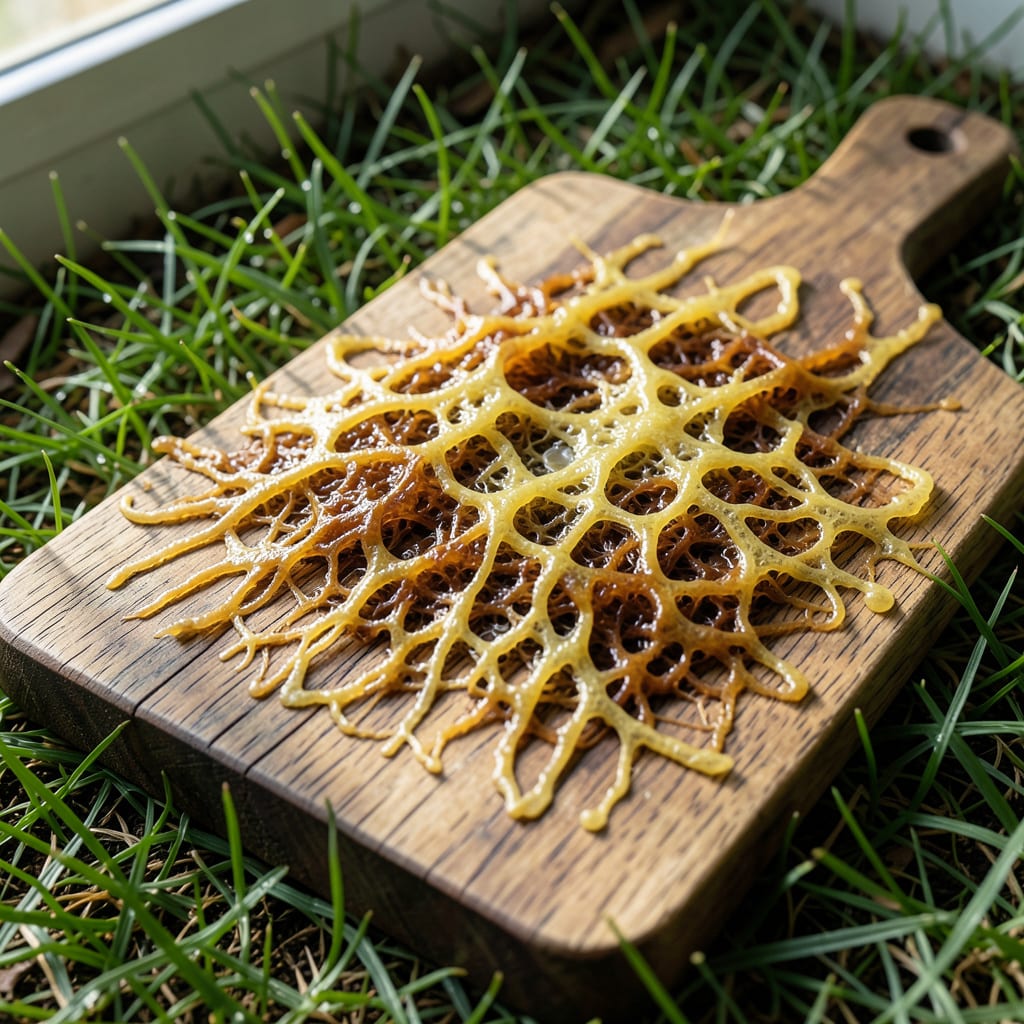
I spotted my first patch of slime mold last summer and panicked. It looked like someone had spilled a can of paint on my lawn. Turns out, it’s not as scary as it appears. This weird but harmless fungus thrives in damp conditions.
Slime mold appears as gray, white, or yellowish patches that feel spongy underfoot. It’s not a disease but a sign your lawn needs better airflow and less moisture. The good news? It won’t kill your grass, just looks unsightly.
Natural removal is simple: just rake it up when it’s dry. The spores disappear quickly with a little sunshine and airflow. Prevention is even easier—water your lawn in the morning and mow regularly.
No chemicals needed. Your grass will bounce back within days once conditions improve.
Slime mold on grass appears due to a mix of environmental and biological factors. Unlike fungi, slime molds are primitive organisms that thrive under specific conditions. Below are the primary causes that create the perfect breeding ground for these unsightly growths.
Slime molds flourish in damp environments. Overwatering, poor drainage, or heavy rainfall can saturate the soil, creating ideal conditions for spores to germinate. Grass that remains wet for extended periods, especially in shaded areas, is particularly vulnerable.
Decaying organic matter, such as fallen leaves, grass clippings, or thatch, provides a food source for slime molds. As these materials break down, they release nutrients that support slime mold growth. Regularly removing debris can starve these organisms before they spread.
Slime molds are most active in warm (60–80°F), humid conditions. During these periods, spores can quickly colonize grass, especially if the lawn lacks airflow. Early summer and late spring are peak times for outbreaks.
Thin, weak, or compacted lawns are more susceptible to slime mold. Healthy, dense grass competes with spores for space and resources, while stressed turf offers little resistance. Aeration and proper fertilization can strengthen your lawn’s defenses.
Slime mold can be unsightly, but it’s usually harmless and easy to manage. Here’s how to tackle it based on the underlying cause:
Slime mold thrives in damp conditions. If your lawn stays soggy, aerate the soil to boost drainage or redirect water flow with a French drain. Avoid overwatering, and water early in the day so grass dries quickly. Prevention tip: 💡 Use a rain gauge to track moisture levels and adjust irrigation accordingly.
Decaying leaves, mulch, or thatch provide the perfect breeding ground for slime mold. Rake up debris weekly, especially in shady or low-traffic areas. For stubborn patches, dethatch your lawn in early spring or fall. Prevention tip: ✨ Keep your lawn free of thick mulch layers (stick to 1–2 inches max).
Tight, compacted soil traps moisture and invites slime mold. Use a core aerator to pull small plugs of soil, allowing air, water, and nutrients to penetrate. Follow up with a light top-dressing of compost. Prevention tip: 🎯 Aerate high-traffic areas at least once a year.
For existing slime mold, skip harsh chemicals. Instead, mix 1 tablespoon of baking soda with a gallon of water and spray the affected area. A solution of 1 part hydrogen peroxide to 10 parts water also works. Reapply every few days until the mold disappears. Prevention tip: 🌡️ Boost sunlight exposure by trimming nearby shrubs or trees.
In most cases, slime mold will vanish on its own once conditions dry out. A little maintenance goes a long way!
No, slime mold is completely harmless to humans and animals. It may look strange, but it won’t cause illness if touched or accidentally ingested.
It might return if damp conditions persist. To prevent regrowth, improve drainage, reduce shade, and remove organic debris regularly.
Yes, but it’s better to rake it up first. Mowing can spread spores, while raking helps dry the area faster. Always collect clippings afterward.
It can develop on any grass type, but it’s more common in thick, damp lawns. Kentucky bluegrass and fescue are often affected due to their moisture retention.
