
Beautiful Plants For Your Interior
Beautiful Plants For Your Interior
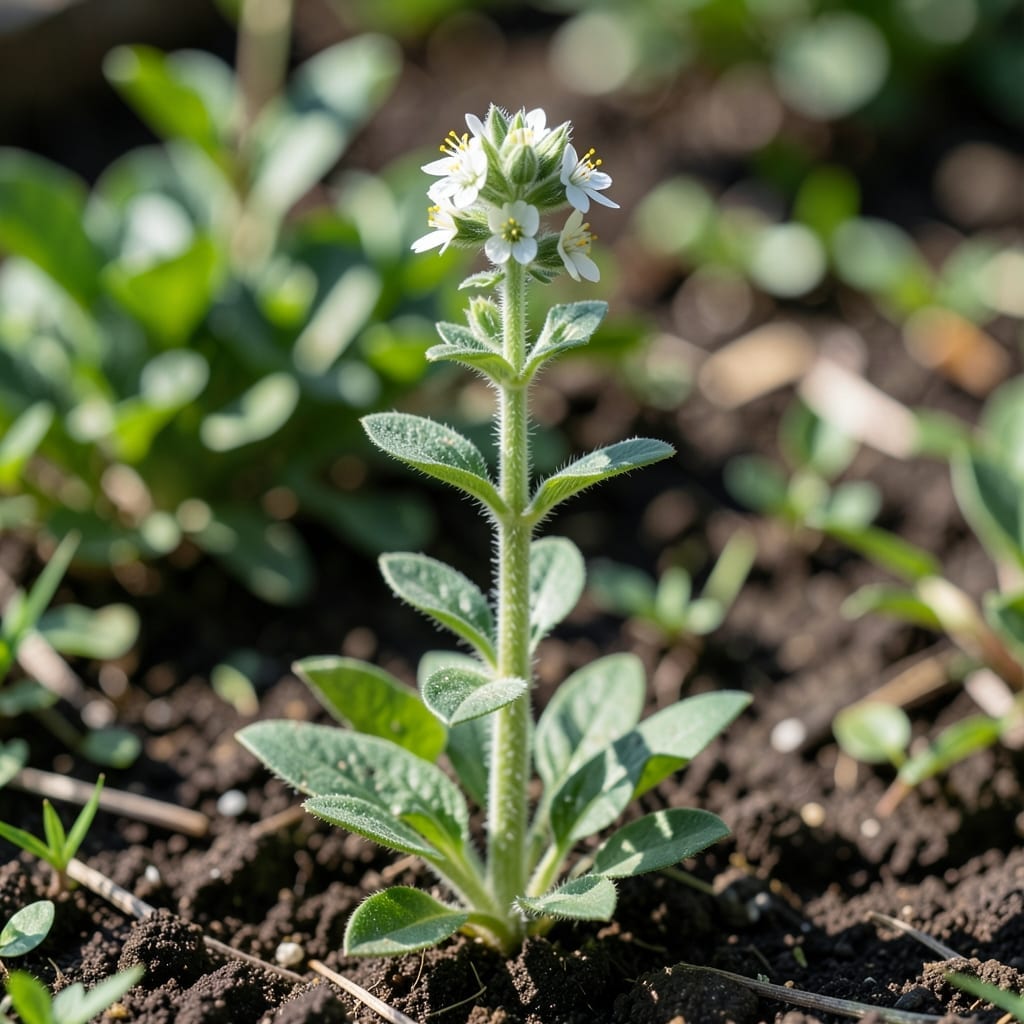
Those tall invaders popping up overnight were my garden’s worst nightmare last summer.
Identifying the specific type helps you fight back smarter. Some spread by seed, others through roots, but all share that tiny white flower calling card. I learned the hard way that pulling them young saves hours of backbreaking work later.
Eco-friendly solutions work better than you’d expect. A little vinegar mix, some strategic mulching, or even just consistent pulling can keep them from taking over your beds.
Prevention beats cure every time. Once you spot the pattern, you’ll catch them before they seed and spread across your entire yard.
Understanding why tall weeds with tiny white flowers appear in your garden or lawn starts with recognizing the conditions that favor their growth. These plants are often opportunistic, taking advantage of specific environmental factors to spread rapidly.
Many of these weeds, like Erigeron or Galinsoga, thrive in disturbed soil. Tilling, digging, or even foot traffic can expose bare soil, allowing weed seeds to germinate. These seeds often lie dormant until sunlight and oxygen trigger their growth. Actionable tip: Minimize soil disturbance and use mulch to suppress weed emergence.
Excess moisture can create ideal conditions for weeds like Chickweed or Bittercress, which prefer damp environments. Overwatering not only promotes weed growth but also weakens desirable plants, giving weeds a competitive edge. Actionable tip: Water deeply but infrequently, and ensure proper drainage to discourage weed proliferation.
Some tall white-flowering weeds, such as Queen Anne’s Lace, flourish in full sun and fertile soil. These conditions allow them to outcompete other plants for resources. Actionable tip: Use dense plantings or ground covers to shade the soil and reduce weed opportunities.
Many of these weeds produce lightweight seeds that spread easily via wind or animals. A single plant can release thousands of seeds, ensuring their persistence. Actionable tip: Remove weeds before they flower and set seed to prevent future infestations.
Keeping your garden or yard free of tall, white-flowering weeds starts with identifying the root causes and taking targeted action. Below are practical solutions to common problems, paired with prevention tips to keep them from coming back.
Fix: Mow or trim regularly to prevent weeds from seeding. For existing patches, pull weeds by hand (including roots) or use a hoe to cut them at soil level. Apply a layer of mulch to smother new growth.
Prevent: Maintain a consistent mowing schedule and apply pre-emergent herbicides in early spring to stop seeds from germinating. 💡 Pro tip: Use organic mulch like wood chips or straw to block sunlight and reduce weed growth naturally.
Fix: Test your soil and amend it with compost or organic matter to improve its structure and nutrient content. Healthy soil supports dense grass or plant growth, which crowds out weeds.
Prevent: Aerate compacted soil annually and overseed bare spots in lawns to prevent weeds from taking hold. ✨ Pro tip: A thick, healthy lawn is your best defense against invasive weeds.
Fix: Water deeply but infrequently to encourage strong root systems in desirable plants, which can outcompete weeds. Avoid shallow, frequent watering that benefits weed seeds near the surface.
Prevent: Install a drip irrigation system or soaker hoses to deliver water directly to plant roots, reducing moisture available to weeds. 🎯 Pro tip: Water in the early morning to allow foliage to dry, reducing disease risks for your plants.
Fix: Plant ground covers like clover, creeping thyme, or dense perennials to fill empty spaces where weeds thrive. For vegetable gardens, use landscape fabric under mulch to block weeds.
Prevent: Keep garden beds fully planted or mulched year-round. 🔥 Pro tip: Choose native ground covers—they’re often more resilient and require less maintenance.
Yes, they can be. Many compete aggressively for nutrients and water, stunting the growth of desirable plants. Some also release chemicals that inhibit the growth of surrounding vegetation.
Remove them before they flower and set seed. Use mulch or ground covers to block sunlight and reduce germination. Consistent mowing also prevents seeding.
Pull them by hand, ensuring you remove the entire root system. Use a weeding tool for deep roots. The best time is after rain when the soil is soft.
Yes, a vinegar solution (1 gallon of vinegar, 1 cup of salt, and 1 tablespoon of dish soap) can be effective. Apply directly to the leaves on a sunny day for best results.