
Beautiful Plants For Your Interior
Beautiful Plants For Your Interior
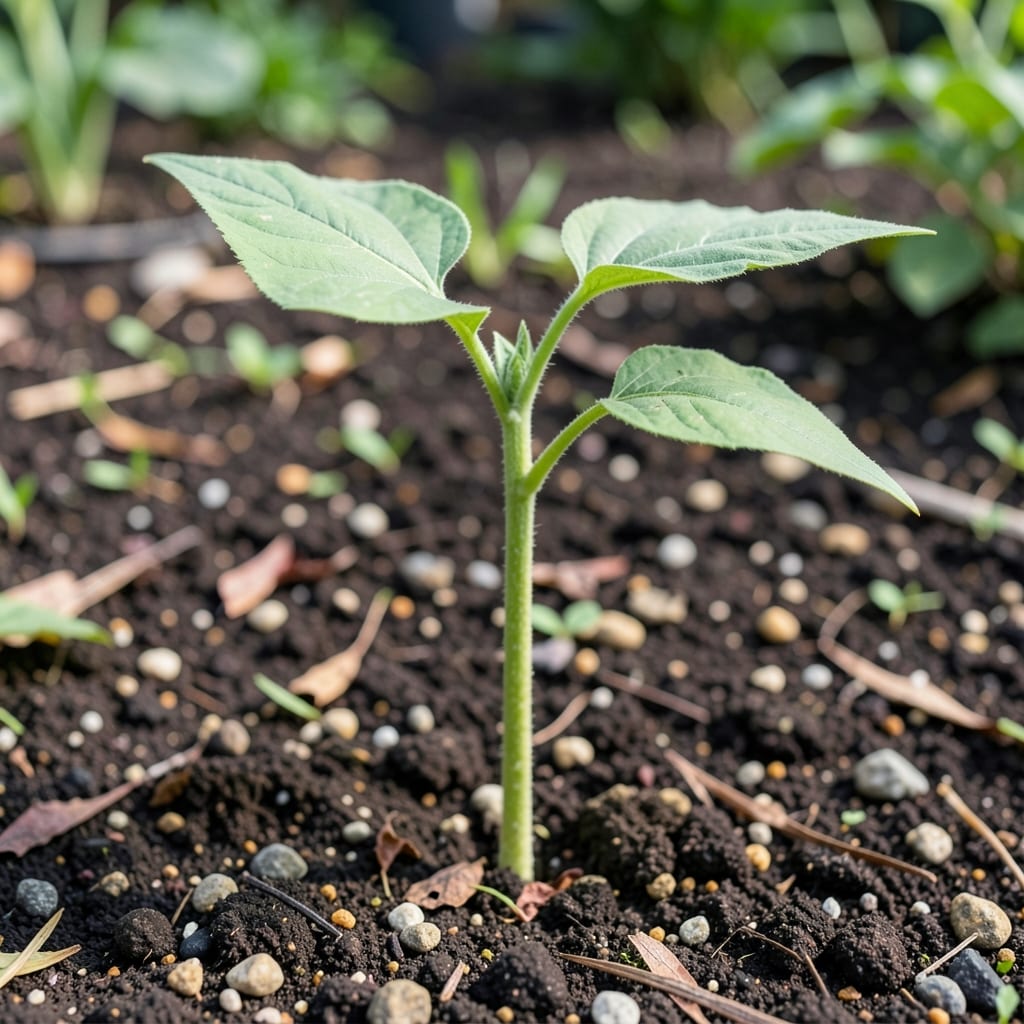
Those first two leaves on your sunflower seedlings are the foundation for everything that comes next. I’ve learned the hard way that weak starter leaves mean stunted plants later.
With the right light, water, and protection from pests, you’ll see strong green growth within days. The key is catching issues early—before they spread to the entire seedling tray.
📚 In This Guide
Here’s the method I’ve refined over years to ensure your young plants develop strong, healthy foliage from the start.
The first leaves you’ll see are cotyledons—those round, seed-like leaves that appear during germination. These aren’t true leaves but food storage units for the seedling. Within 7-10 days, you should spot the first pair of true leaves, which look more like sunflower foliage: heart-shaped with a slightly rough texture.
If cotyledons yellow or drop off too soon, it usually means the seedling isn’t getting enough light or has been overwatered. I check daily for this transition because it’s the first sign your plant is shifting from seed-dependent to self-sustaining growth.
Sunflower seedlings need 6-8 hours of direct sunlight daily to develop strong leaves. Without it, stems stretch and leaves grow pale and sparse. If you’re growing indoors, place them 2-4 inches under a full-spectrum grow light for 14-16 hours a day.
Outdoors, a south-facing location works best, but protect them from harsh afternoon sun at first. You’ll know light is adequate when leaves are deep green and stems are thick. Leggy growth with wide spacing between leaves means they’re starving for more light.
Keep the soil consistently moist but never soggy—water when the top inch feels dry to the touch. I use a watering can with a fine rose attachment to avoid dislodging soil or damaging delicate leaves. Always water at the base, not from above, to prevent fungal issues like powdery mildew on the leaves.
Overwatering shows up as yellowing leaves or damping-off, where seedlings collapse at the soil line. Underwatering causes leaves to wilt or curl inward. Both are fixable if caught early, but prevention is the real key here.
Once the first set of true leaves appears, I introduce a balanced, water-soluble fertilizer at half strength. Sunflowers are heavy feeders, but too much fertilizer early on can burn tender roots and leaves. Apply every 10-14 days until the plant establishes a strong root system.
Watch for signs of nutrient deficiency: pale or yellowing leaves often indicate nitrogen deficiency, while stunted growth with dark green leaves might mean phosphorus is lacking. Adjust your fertilizer blend accordingly, but always err on the side of less rather than more at this stage.
If you started seeds in a tray or close together, thin them when they reach 2-3 inches tall. Crowded seedlings compete for light and nutrients, resulting in weak stems and small, underdeveloped leaves. I space mine 12-18 inches apart to give each plant room to grow a robust foliage system.
Use clean scissors to snip unwanted seedlings at soil level rather than pulling them up, which can disturb the roots of the plants you want to keep. The remaining seedlings will respond with vigorous growth, and you’ll see a noticeable difference in leaf size and health within a week.
These insights will help you avoid the most common pitfalls when nurturing young plants.
The Light Factor: In Step 2, the 6-8 hours of direct sunlight daily is non-negotiable for strong leaf development. If you notice stems elongation or pale leaves, increase light exposure immediately. Indoors, the 14-16 hours under grow lights compensates for lower intensity—stick to this range precisely.
Watering Wisdom: For Step 3, that “top inch dry” rule is your best guide. I learned the hard way that soggy soil causes damping-off, while bone-dry conditions make leaves curl. Use your finger to test moisture depth rather than relying on surface appearance.
Thinning Technique: Step 5’s 2-3 inch height for thinning is timing perfection. Don’t pull seedlings—snip them at soil level as instructed to avoid root disturbance. The 12-18 inch spacing ensures each plant gets the resources it needs for robust foliage.
Fertilizer Timing: The 10-14 day interval in Step 4 is critical. True leaves signal it’s time to start, but remember: half-strength fertilizer prevents burning tender roots. Watch for the subtle signs of deficiency mentioned—pale leaves for nitrogen, stunted growth for phosphorus.
Yellow leaves often signal overwatering or poor drainage. Ensure your seedlings are in well-draining soil and water only when the top inch feels dry. Nutrient deficiencies or too much sunlight can also cause this.
True leaves typically appear 2-3 weeks after germination, replacing the initial cotyledons. This stage marks stronger growth and better nutrient absorption, so keep conditions stable during this transition.
No, seedling leaves are vital for early photosynthesis and energy production. Without them, the plant can’t sustain growth. Protect them from pests and damage to ensure healthy development.
Wilting leaves often mean underwatering or heat stress. Check soil moisture and adjust watering. If the soil is dry, water deeply; if soggy, improve drainage. Shade seedlings during extreme heat.