
Beautiful Plants For Your Interior
Beautiful Plants For Your Interior
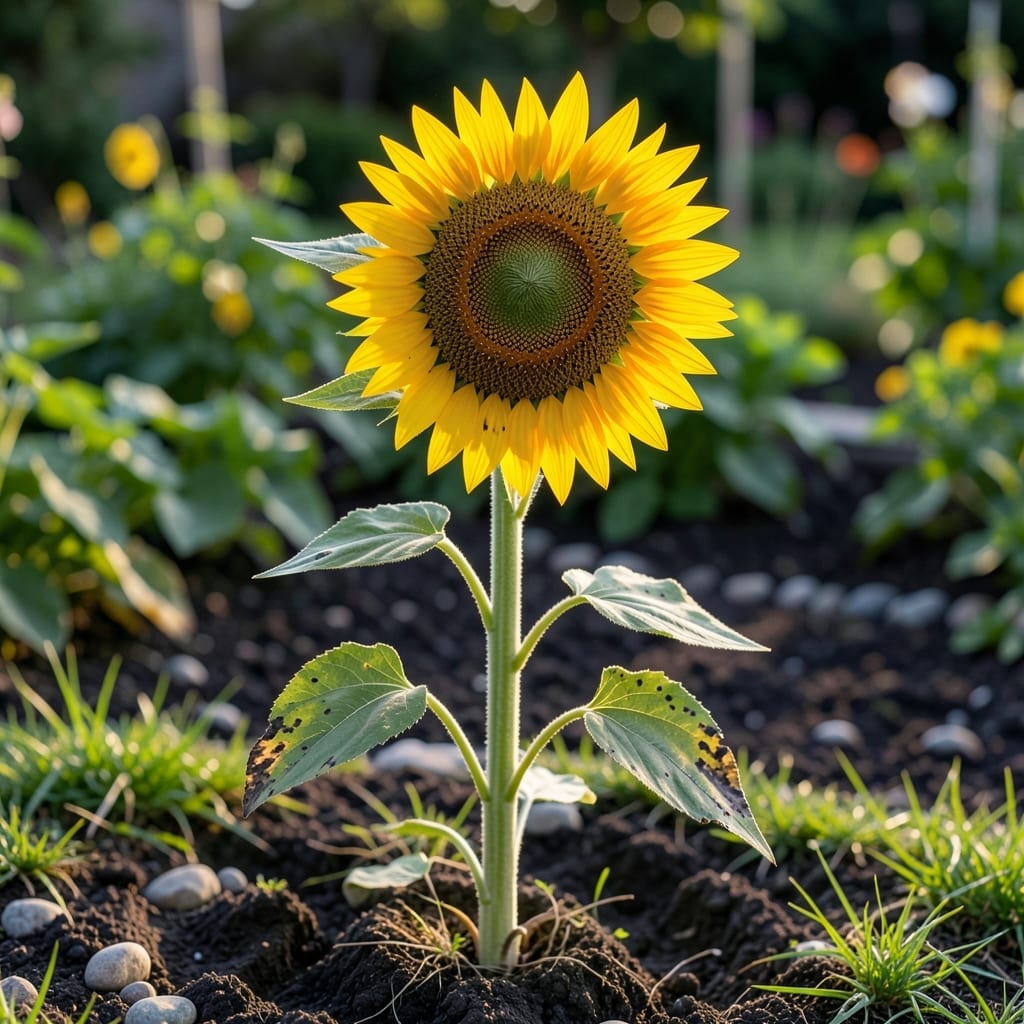
Black leaves on sunflowers aren’t just ugly—they’re a warning sign. I’ve seen entire plants collapse within 48 hours when the issue goes unchecked, but the good news is most causes are fixable if you act fast.
Usually, it’s one of three culprits: fungal infections spreading from overwatering, pests like aphids leaving sooty residue, or environmental stress from too much sun or poor soil. Each has a distinct pattern if you know where to look.
With the right approach, you can stop the damage, save your sunflowers, and even prevent it from happening again next season. The key is accurate diagnosis before you start treating.
No fancy equipment needed—just sharp eyes, a little knowledge, and the willingness to get your hands dirty.
Sunflower leaves turning black is often a sign of underlying stress or disease. Here’s why it happens and what you can do about it.
Fungi like Alternaria or Phoma thrive in wet, humid conditions, causing dark spots or blackening on leaves. These pathogens spread through spores, which germinate when leaves stay damp for extended periods. Overhead watering or poor air circulation can worsen the issue.
Excess moisture in the soil suffocates roots, preventing them from absorbing oxygen. This leads to root rot, which can manifest as blackened, wilting leaves. Sunflowers prefer well-draining soil, so waterlogged conditions are a common culprit.
Sudden temperature drops or prolonged heat stress can cause leaf necrosis (tissue death), turning leaves black. Sunflowers are hardy, but extreme fluctuations—especially frost—can damage foliage overnight.
Sap-sucking pests like aphids or spider mites weaken plants, making them vulnerable to secondary infections. Their feeding damage can also cause blackened, curled, or distorted leaves due to reduced nutrient flow.
A lack of essential nutrients, particularly potassium or phosphorus, can lead to leaf discoloration. Blackening often starts at the leaf edges or tips before spreading inward. Soil testing can confirm deficiencies.
If your sunflower leaves are turning black, act fast to revive your plant. Below are targeted fixes for each common cause, along with prevention tips to keep your sunflowers thriving.
Remove affected leaves immediately to stop the spread. Apply a copper-based fungicide or a homemade mix of 1 tsp baking soda + 1 quart water + a few drops of dish soap. Spray every 5–7 days until the issue clears. Prevention: Space plants 12–18 inches apart for better airflow, and water at the base to keep leaves dry.
Let the soil dry out between waterings—sunflowers prefer moderate moisture. If root rot is suspected, gently dig up the plant, trim blackened roots, and replant in fresh, well-draining soil. Prevention: Use a moisture meter or stick your finger 2 inches into the soil—only water if it feels dry. Mulch helps retain balance.
Inspect leaves for aphids, beetles, or caterpillars. Blast them off with a strong water spray, or use neem oil or insecticidal soap for stubborn infestations. Prevention: Encourage natural predators like ladybugs, and avoid over-fertilizing (soft new growth attracts pests).
For sunburn, provide afternoon shade with a shade cloth. If cold is the issue, move potted sunflowers indoors or cover garden plants with frost blankets at night. Prevention: Harden off seedlings before transplanting, and choose varieties suited to your climate.
Yellowing with black spots often signals a magnesium or potassium shortage. Work compost into the soil or use a balanced fertilizer (10-10-10). Avoid excess nitrogen, which promotes leafy growth over flowers. Prevention: Test soil every 2–3 years and amend as needed.
💡 Pro tip: Always sterilize pruning tools with rubbing alcohol between cuts to avoid spreading disease!
It usually signals a serious issue like fungal disease, pest damage, or environmental stress. Blackening often starts as dark spots before spreading, so inspect leaves closely for patterns.
Yes, too much water leads to root rot, which cuts off oxygen to the plant. This often appears as black, wilting leaves. Let soil dry between waterings to prevent this.
Remove affected leaves and apply a copper-based fungicide or baking soda spray. Improve airflow by spacing plants 12-18 inches apart.
No, once leaves turn black, they won’t regain their green color. Focus on saving the rest of the plant by addressing the underlying cause quickly.