
Beautiful Plants For Your Interior
Beautiful Plants For Your Interior
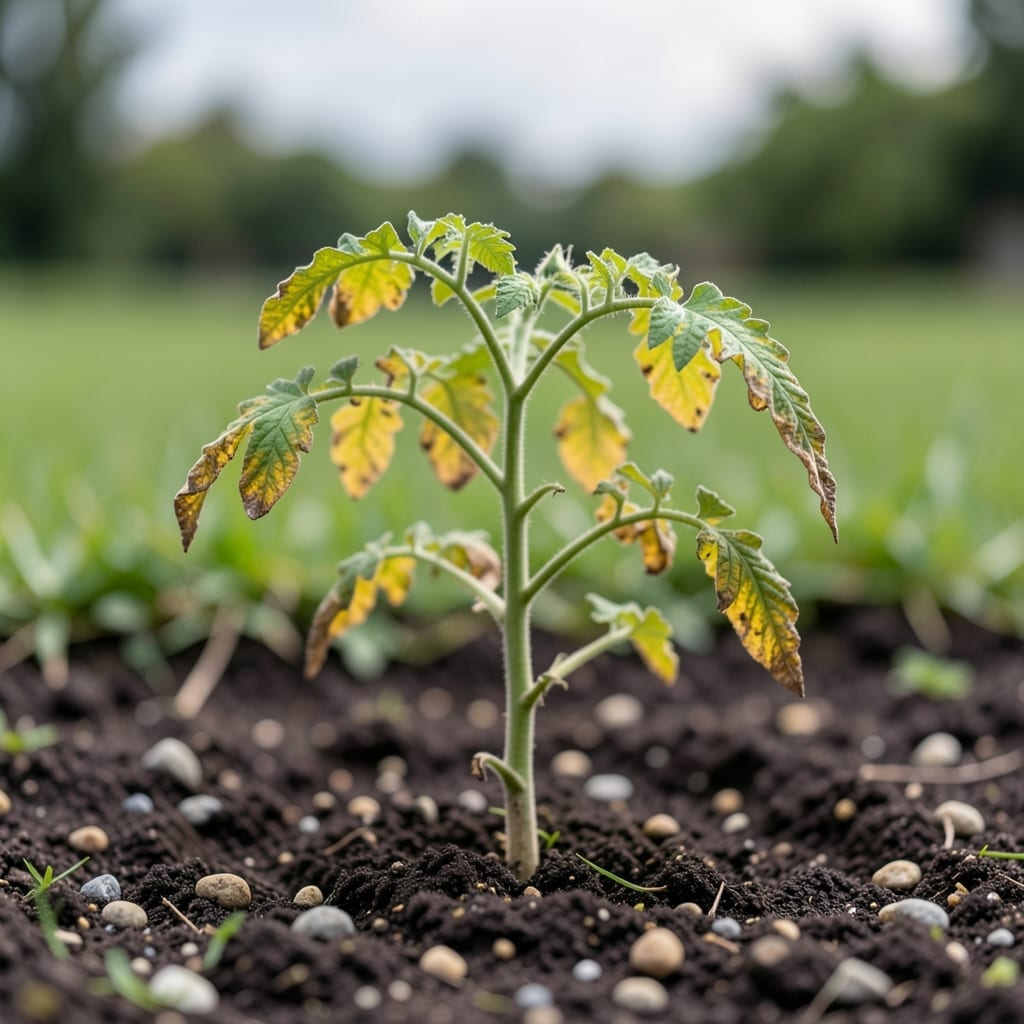
Nothing’s more frustrating than watching your plants refuse to thrive. Stunted growth often starts with something simple—too much water, not enough light, or soil that’s missing key nutrients.
I’ve rescued my share of sad-looking plants by checking the basics first. Roots need air as much as water, and crowded containers or compacted soil can choke them. A quick soil test usually reveals what’s missing.
Once you fix the issue, most plants bounce back within 2-3 weeks. The key is acting fast before the problem spreads or becomes permanent.
Works for indoor plants, garden beds, or container setups. Here’s how to diagnose and revive them.
Stunted growth in plants often stems from a mix of environmental, biological, and nutritional factors. Understanding these triggers helps you address the issue effectively and revive your greenery. Below are the most common culprits:
Plants need a balanced diet of nitrogen, phosphorus, and potassium (NPK), along with micronutrients like iron, zinc, and magnesium. A lack of nitrogen leads to yellowing leaves and slow growth, while phosphorus deficiency causes weak roots and purple stems. Test your soil with a kit to identify missing nutrients, then amend with organic fertilizers or targeted supplements.
Both overwatering and underwatering can halt growth. Overwatering suffocates roots, reducing oxygen uptake and promoting rot, while underwatering restricts nutrient absorption. Ensure proper drainage and water only when the top inch of soil is dry. Use a moisture meter for precision.
Insects like aphids and spider mites sap plant energy, while fungal diseases (e.g., root rot or powdery mildew) damage tissues. Inspect leaves and stems regularly for signs of infestation or infection. Treat with neem oil or insecticidal soap for pests, and improve airflow to prevent fungal growth.
Plants require adequate light for photosynthesis. Insufficient light leads to leggy, weak stems and reduced growth. Move indoor plants to brighter spots or supplement with grow lights. Outdoors, ensure they receive the recommended sunlight hours for their species.
Plants thrive in specific temperature ranges. Exposure to cold drafts or heat stress can shock their systems, slowing growth. Maintain consistent temperatures and protect plants from sudden fluctuations, especially during transplanting or seasonal changes.
Compacted or poor-quality soil restricts root expansion and nutrient access. Heavy clay or sandy soils often lack organic matter. Amend your soil with compost or peat moss to improve structure and fertility. For container plants, use a well-draining potting mix.
Reviving plants with stunted growth starts with pinpointing the issue and applying targeted fixes. Below are practical solutions for common causes, plus prevention tips to keep your greens thriving.
If yellowing leaves or weak stems signal a lack of nutrients, use a balanced liquid fertilizer (10-10-10 NPK) every 2–4 weeks. For organic options, mix compost or worm castings into the soil. Prevention tip: Test soil annually and amend as needed—healthy soil means happy plants! 💡
Soggy soil? Let it dry slightly between waterings. Crispy, dry soil? Water deeply until it drains from the bottom. Use the finger test: stick your finger 1–2 inches into the soil—if it’s dry, it’s time to water. Prevention tip: Use pots with drainage holes and saucers to avoid root rot. 🌡️
Leggy or pale plants often need more light. Move them to a south-facing window or supplement with grow lights (12–16 hours/day for seedlings). Prevention tip: Rotate plants weekly for even exposure. ✨
Check undersides of leaves for aphids, mites, or whiteflies. Spray with neem oil or insecticidal soap, repeating every 5–7 days. For severe cases, isolate the plant. Prevention tip: Wipe leaves regularly and inspect new plants before bringing them home. 🎯
If roots circle the pot or poke through drainage holes, it’s time to upgrade. Choose a pot 2 inches wider and use fresh potting mix. Gently loosen roots before replanting. Prevention tip: Repot every 1–2 years or when growth slows. 🔄
Check for roots circling the pot or growing through drainage holes. 2 inches of root mass at the surface also signals it’s time to repot.
Use a balanced liquid fertilizer (10-10-10 NPK) every 2-4 weeks. For organic options, mix in compost or worm castings immediately.
Yes! Most bounce back within 2-3 weeks once the issue is fixed. Consistent care and patience are key to full revival.
Use the finger test—only water when the top inch of soil is dry. Pots with drainage holes help avoid soggy soil.