
Beautiful Plants For Your Interior
Beautiful Plants For Your Interior
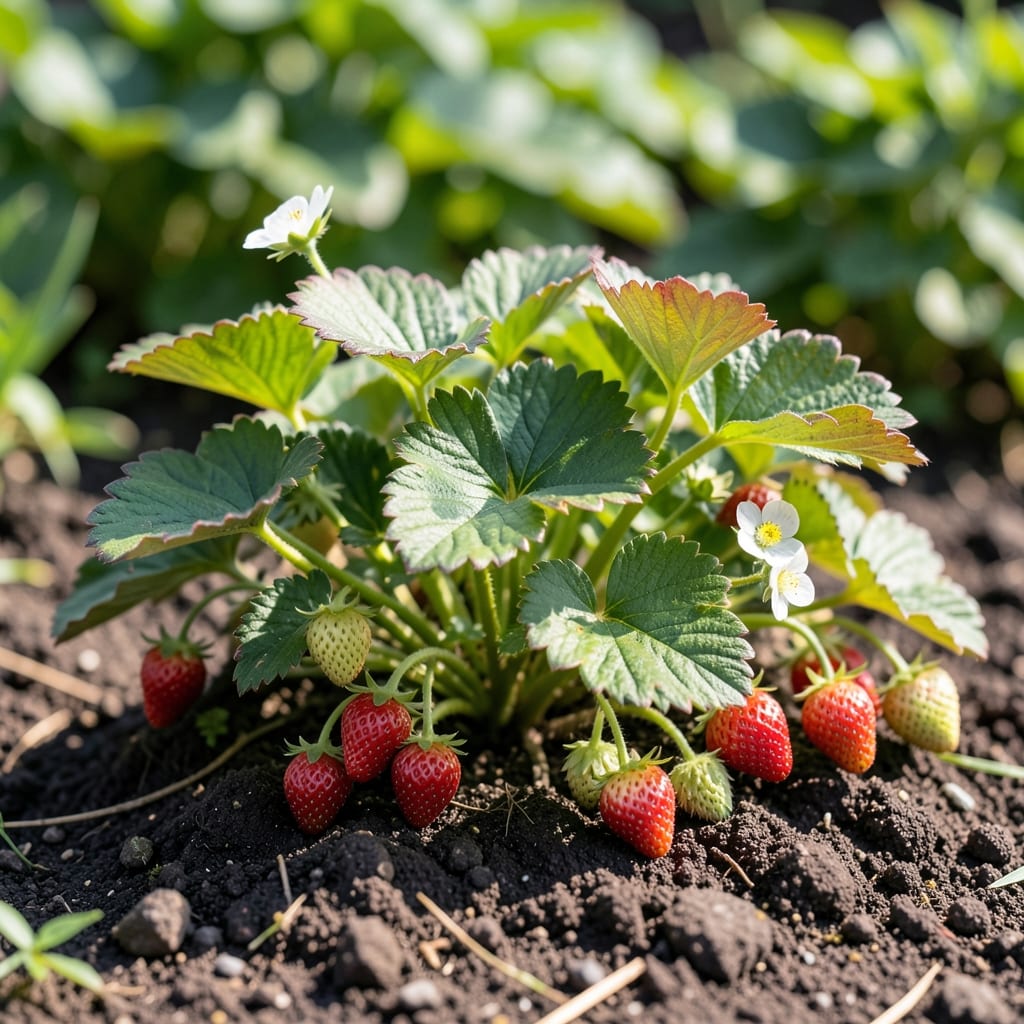
Red strawberry leaves stopped me in my tracks last season. Between you and me, I first assumed it was just autumn color—but then I lost half my crop to phosphorus deficiency.
Turns out those crimson edges scream for help rather than beauty. The most common culprits are nutrient shortages, temperature swings, or water stress, and they all show up differently on the leaves.
I fixed mine with a soil test and targeted fertilizer, then watched the new growth return to healthy green within 2 weeks. The plants recovered faster than I expected.
Prevention is simpler than cure: consistent watering, balanced soil, and protection from extreme cold. Here’s where it gets interesting—early intervention saves the season.
Strawberry plant leaves turning red often signal underlying issues that disrupt their health. Here are the primary causes, explained with actionable insights:
Extreme cold or heat can trigger anthocyanin production, the pigment responsible for red hues in leaves. Strawberries thrive in 60–80°F (15–27°C). Below 50°F (10°C), phosphorus uptake slows, causing reddening. Above 85°F (29°C), heat stress damages chloroplasts, leading to discoloration. Act fast: Use row covers in cold snaps or shade cloth for heatwaves.
A lack of phosphorus is a common culprit, especially in cold, waterlogged, or acidic soils (pH < 5.5). Phosphorus is vital for energy transfer and root development. Reddish-purple leaves, starting on older growth, are classic signs. Fix it: Test soil pH and amend with bone meal or a balanced fertilizer (e.g., 10-20-10).
Excess nitrogen can outcompete phosphorus, reducing its availability. Similarly, high potassium levels may block phosphorus absorption. Red leaves with green veins often indicate this imbalance. Solution: Switch to a low-nitrogen fertilizer and flush soil with water to leach excess salts.
Both drought and overwatering stress plants, impairing nutrient uptake. Drought causes wilting and red edges, while waterlogging suffocates roots, leading to uniform reddening. Check soil: Aim for moist but well-drained conditions. Mulch to retain moisture and prevent compaction.
Diseases like leaf blight or powdery mildew can cause red spots or mottling. These often appear alongside yellowing or brown patches. Combat it: Remove infected leaves, improve air circulation, and apply copper-based fungicides preventatively.
Reddening strawberry leaves are often a sign of stress, but the good news is most causes are fixable. Below are practical solutions for each common issue, plus prevention tips to keep your plants thriving.
If the issue is phosphorus deficiency (common in cold, waterlogged soil), apply a balanced fertilizer (10-10-10 or 5-10-10) or bone meal. For magnesium deficiency, use Epsom salts (1 tablespoon per gallon of water) as a foliar spray. Prevention tip: 💡 Test soil pH (ideal: 5.5–6.5) and amend with compost annually.
Protect plants from frost with row covers or mulch (straw or leaves). For heat stress, provide afternoon shade and keep soil moist. Prevention tip: ✨ Plant in early spring or fall to avoid extreme temps.
For overwatering, improve drainage with raised beds or perlite. For underwatering, water deeply 1–2 times weekly (more in heat). Prevention tip: 🎯 Use a moisture meter to avoid guesswork.
For fungal issues like anthracnose, remove infected leaves and apply a copper fungicide. Ensure good airflow by spacing plants 12–18 inches apart. Prevention tip: 🌱 Rotate crops and avoid overhead watering.
Pro tip: 🔥 Always sanitize tools after pruning to prevent disease spread!
Not always. Some red tinting in cooler months is natural, but widespread reddening usually indicates stress. Check for other symptoms like wilting or stunted growth.
If only the leaf edges turn red, it’s often a nutrient issue.
With proper treatment, new growth should return to green within 1-2 weeks. Older leaves may not recover, but the plant will produce healthy replacements. Consistency in care speeds up the process.
Yes! Too much nitrogen can block phosphorus uptake, leading to red discoloration. Always follow package instructions and test soil before adding more nutrients.