
Beautiful Plants For Your Interior
Beautiful Plants For Your Interior
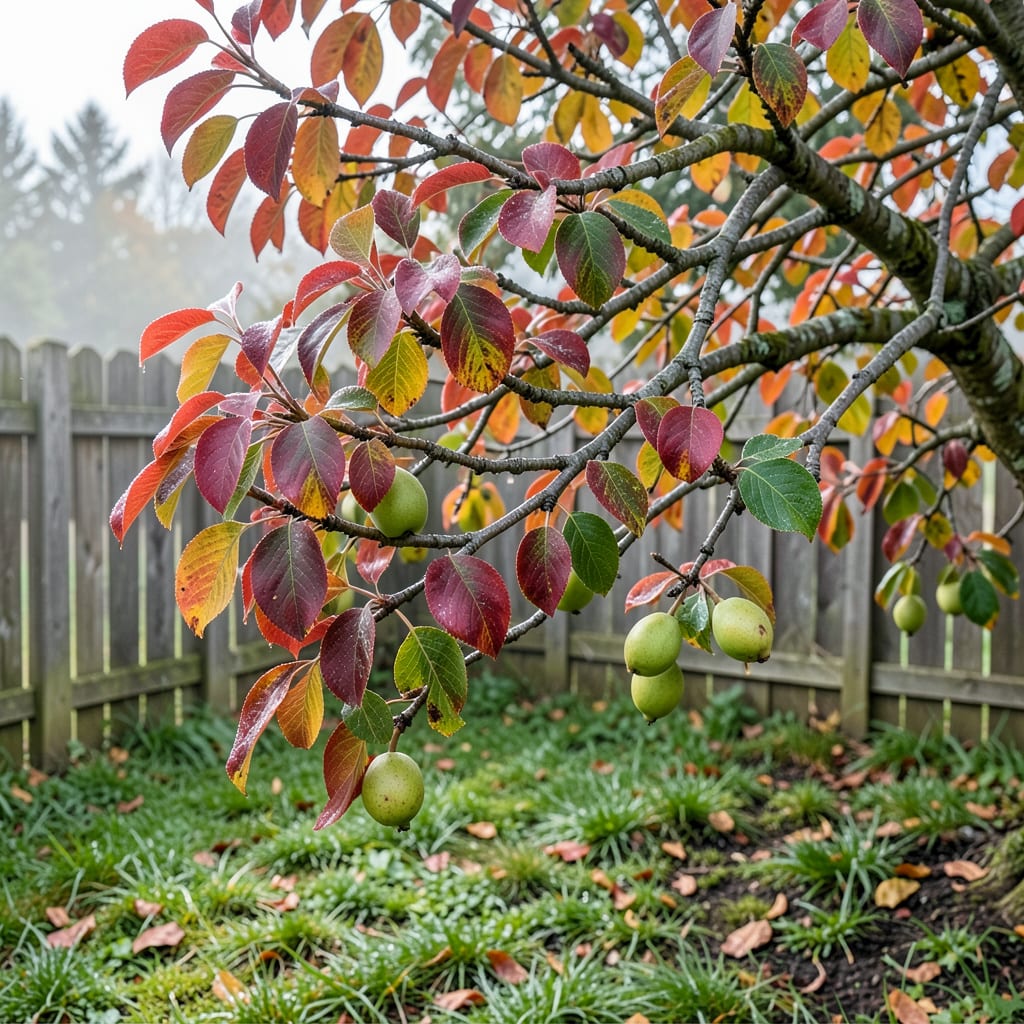
Red leaves on your pear tree aren’t just pretty—they’re a warning sign. I’ve seen this happen in my orchard when stress hits hard, and it usually points to something fixable.
Whether it’s nutrient hunger, water woes, or a fungal party crashing in your branches, the solution starts with proper diagnosis. Most cases clear up with simple adjustments to care or environment.
You’ll spot the difference between healthy autumn color and distress signals within days of treatment. The tree bounces back with vibrant green growth once the underlying issue is addressed.
Works for young trees and established specimens alike. Let’s figure out what your pear is trying to tell you.
Pear tree leaves turning red often signal an underlying issue, though some causes are natural. Here’s a breakdown of the most common triggers:
Extreme heat or cold can disrupt chlorophyll production, the green pigment in leaves. When chlorophyll breaks down, red pigments (anthocyanins) become visible. This often happens in late summer or early fall as temperatures fluctuate. Young or stressed trees are especially vulnerable.
Both drought and overwatering stress the tree. Drought limits nutrient uptake, while waterlogged roots suffocate and rot, preventing the tree from absorbing essential minerals like magnesium and nitrogen. In both cases, chlorophyll degrades, revealing red hues.
Diseases like pear scab or fire blight damage leaf tissues, leading to discoloration. Fungal pathogens disrupt the leaf’s ability to photosynthesize, causing premature reddening. Look for spots, lesions, or a scorched appearance alongside the color change.
A lack of key nutrients—particularly phosphorus or potassium—can trigger red or purple leaves. Phosphorus deficiency often appears in older leaves first, while potassium shortages may cause leaf edges to redden. A soil test can confirm imbalances.
Sap-sucking pests like pear psylla or spider mites weaken the tree by draining its resources. The stress from feeding damage can lead to chlorophyll loss and red pigment visibility. Check the undersides of leaves for pests or sticky residue (honeydew).
If your pear tree’s leaves are turning red prematurely, act fast to restore its health. Below are targeted fixes for the most common causes, along with prevention tips to keep your tree thriving.
Red leaves often signal a phosphorus or nitrogen deficiency. Test your soil with a home kit or send a sample to a lab. If phosphorus is low, add bone meal or rock phosphate to the root zone. For nitrogen, top-dress with compost or a balanced organic fertilizer. Water deeply after applying to help nutrients absorb.
Prevention tip: 💡 Fertilize in early spring and mid-summer with a slow-release organic blend to maintain nutrient balance.
Extreme heat, drought, or poor drainage can stress the tree, triggering reddening. Mulch heavily (2–4 inches of wood chips) to retain moisture and regulate soil temperature. If drainage is an issue, amend the soil with compost or sand to improve airflow. Water deeply once a week (more in heatwaves) to encourage strong roots.
Prevention tip: 🌱 Plant pear trees in well-draining soil and choose a spot with partial afternoon shade in hot climates.
Inspect leaves for aphids, mites, or fungal spots. Blast pests off with a strong water spray or apply neem oil or insecticidal soap at dusk. For fungal issues (like leaf blight), remove infected leaves and spray with copper fungicide or baking soda solution (1 tbsp baking soda + 1 tsp dish soap per gallon of water).
Prevention tip: ✨ Prune for airflow, avoid overhead watering, and clean up fallen leaves to reduce disease risk.
If leaves turn red in late summer or fall, it’s likely the tree’s natural response to cooler temperatures. No intervention is required—just enjoy the seasonal color change!
Not usually! Red leaves often indicate stress, not death. Check for other symptoms like wilting or bark damage. Most trees recover with proper care.
With correct treatment, new growth should appear green within 2-4 weeks. Existing red leaves won’t change back, but healthy ones will emerge.
Yes, too much fertilizer can burn roots, restricting nutrient uptake. Always follow package instructions and test soil before adding amendments.
Only if they’re diseased or heavily damaged. Otherwise, leave them—they still contribute to photosynthesis. Remove fallen leaves to prevent fungal spread.
