
Beautiful Plants For Your Interior
Beautiful Plants For Your Interior
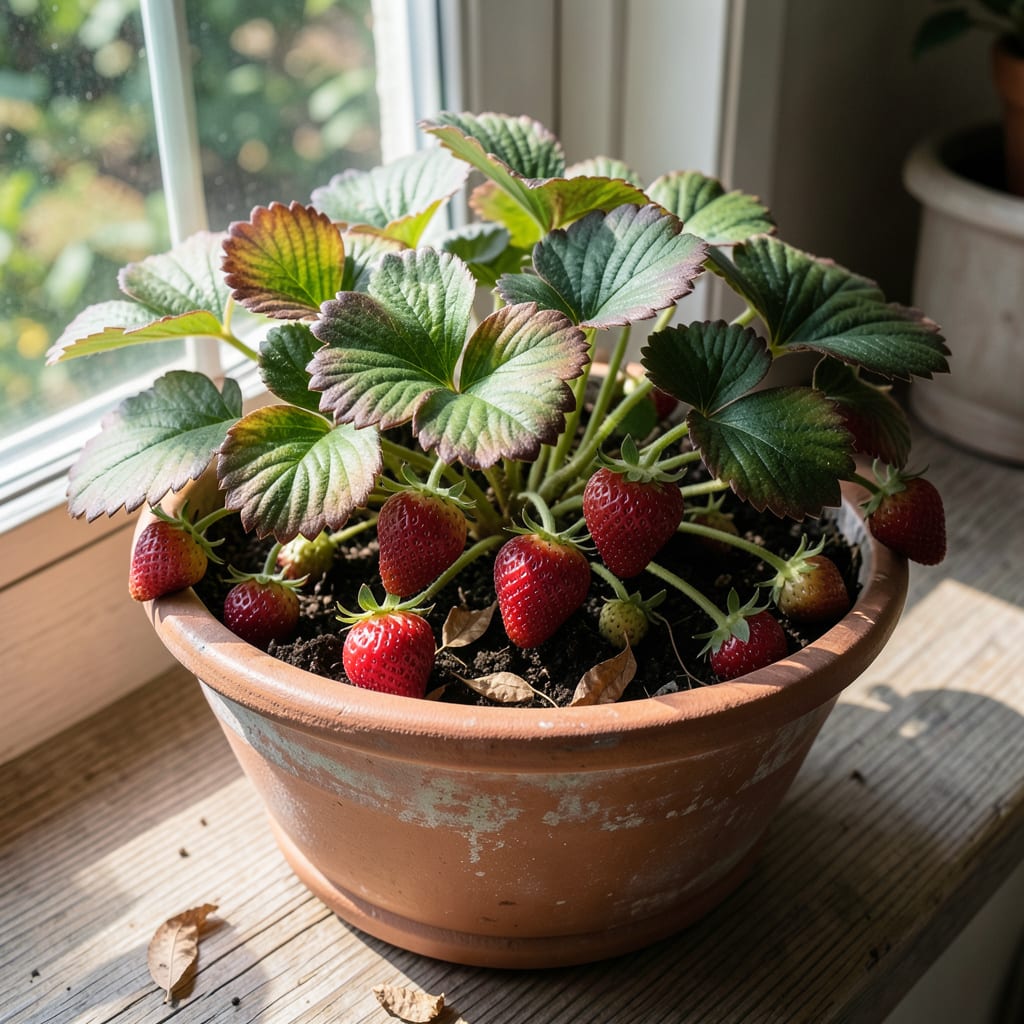
Brown leaves on strawberry plants hit differently. I’ve lost count of the times I’ve panicked seeing those crispy edges spread across my patch.
Usually it’s one of three culprits: thirsty roots, hungry soil, or a sneaky fungus. The good news is each has a simple fix once you know what you’re dealing with.
My plants bounced back within 2 weeks after adjusting water and adding the right nutrients. The new growth comes in vibrant green and the berries taste sweeter.
Works for in-ground beds and containers alike. Here’s how to diagnose and treat it.
Understanding why strawberry leaves turn brown starts with identifying the most frequent culprits. Here’s a breakdown of the primary causes:
Extreme temperatures, either too hot or too cold, can cause leaf scorch. Strawberries thrive in temperatures between 60–80°F (15–27°C). When exposed to prolonged heat or frost, the leaves lose moisture rapidly, leading to brown, crispy edges. Drought stress from inconsistent watering also triggers similar symptoms, as the plant conserves water by sacrificing older leaves.
Fungal infections like leaf spot (Mycosphaerella fragariae) or anthracnose create brown or purple-spotted leaves that eventually turn fully brown. These pathogens thrive in humid, wet conditions, especially when foliage remains damp for extended periods. Poor air circulation in dense plantings exacerbates the problem.
A lack of essential nutrients, particularly potassium or magnesium, often manifests as browning leaf margins. Potassium deficiency causes scorching at the tips and edges, while magnesium deficiency leads to interveinal chlorosis (yellowing between veins) followed by browning. Over-fertilization with nitrogen can also disrupt nutrient balance, indirectly causing leaf browning.
Pests like spider mites or strawberry root weevils feed on plant tissues, leading to discoloration and browning. Spider mites suck sap from leaves, causing stippling and bronzing, while root weevils damage roots, reducing the plant’s ability to absorb water and nutrients, which results in wilting and brown foliage.
Overuse of herbicides or improper application of foliar sprays (e.g., fungicides or pesticides) can chemically burn the leaves, turning them brown. This often appears as uniform browning on exposed foliage, especially if sprays are applied during high heat or direct sunlight.
Addressing brown strawberry leaves starts with pinpointing the cause and applying targeted fixes. Here’s how to treat the most common problems:
Fix: Adjust your watering routine. If the soil is bone-dry, deeply soak the roots (1–2 inches down) every 2–3 days. For waterlogged plants, improve drainage by mixing in compost or perlite. Use a moisture meter to monitor soil levels—aim for consistently damp, not soggy.
Prevent: Mulch with straw to retain moisture and prevent splash-back, which can spread fungi. 💡 Pro tip: Water in the early morning to reduce evaporation.
Fix: Remove and destroy affected leaves immediately to halt the spread. Apply a copper-based fungicide or neem oil spray (1 tbsp oil + 1 tsp dish soap per gallon of water) every 7–10 days until symptoms clear. For severe cases, use a bactericide like streptomycin.
Prevent: Space plants 12–18 inches apart for airflow, and avoid overhead watering. Rotate crops yearly to disrupt disease cycles.
Fix: Provide afternoon shade with a shade cloth (30–50% blockage) during peak summer. Move potted plants to a cooler spot. Prune nearby foliage to reduce heat buildup.
Prevent: Plant in well-ventilated areas and use drip irrigation to keep foliage cool. 💡 Pro tip: Light-colored mulch reflects heat away from roots.
Fix: Test soil with a kit. For nitrogen deficiency (pale leaves with brown edges), apply a balanced fertilizer (10-10-10). For potassium lack (brown spots), use wood ash or potassium sulfate. Magnesium shortages (yellowing between veins) respond to Epsom salt (1 tbsp per gallon of water).
Prevent: Amend soil with compost before planting and fertilize lightly every 4–6 weeks during growing season.
Fix: Blast aphids or mites off with water, then apply insecticidal soap. For slugs/snails, set beer traps or use iron phosphate baits. Remove visible pests by hand if few.
Prevent: Encourage beneficial insects like ladybugs with companion plants (e.g., marigolds). Inspect leaves weekly for early signs.
Once leaves turn fully brown, they won’t turn green again. Focus on new growth—healthy conditions will produce fresh, vibrant leaves within 1-2 weeks.
Yes, trim them with clean shears to prevent disease spread. Remove only the affected parts, leaving healthy foliage intact. Sterilize tools with rubbing alcohol between cuts.
Water when the top 1 inch of soil feels dry—usually every 2-3 days in hot weather. Use drip irrigation to keep foliage dry and prevent fungal issues.
Check for patterns: crispy edges suggest water stress, while spots or yellowing often indicate disease or nutrient issues. Use a soil test kit for nutrient deficiencies.
