
Beautiful Plants For Your Interior
Beautiful Plants For Your Interior
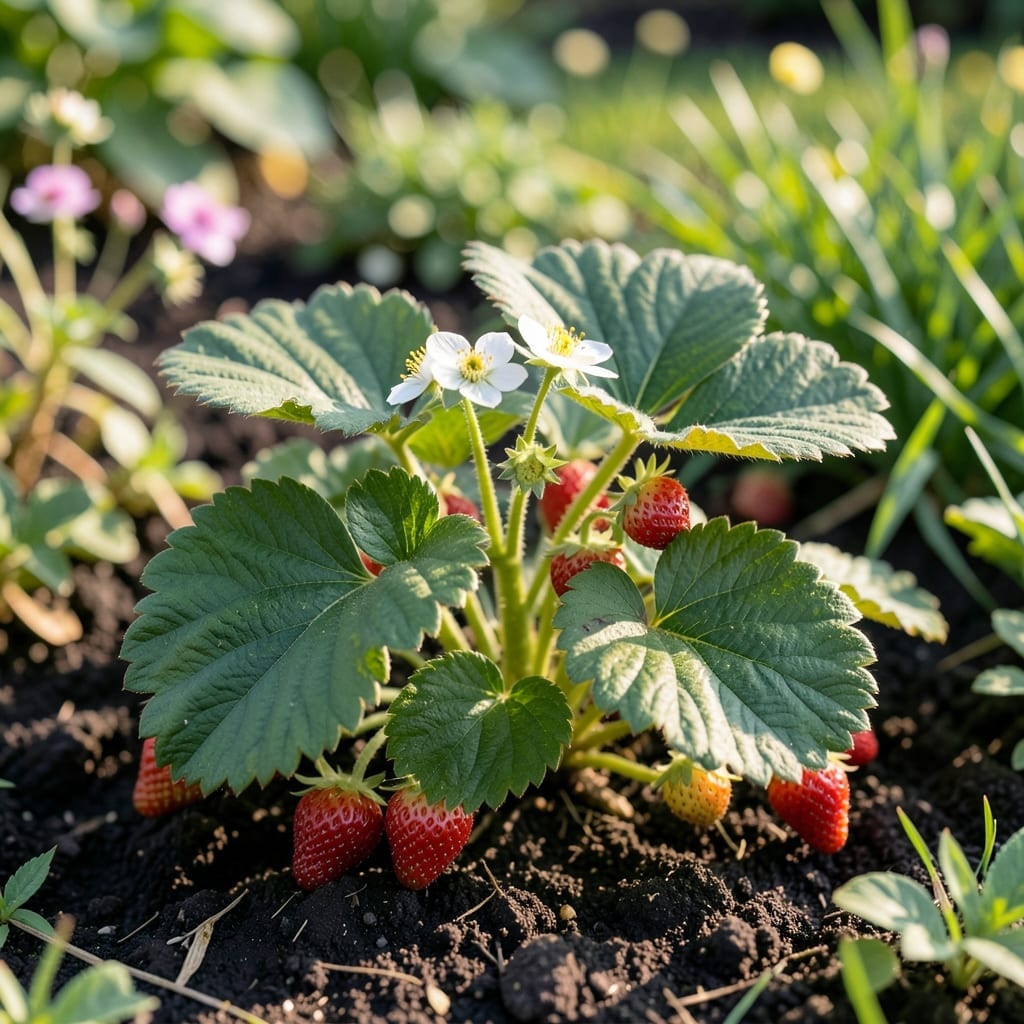
Brown edges on strawberry leaves ruined my first patch. I learned leaf scorch often starts with too much direct sun, especially in midday heat, or inconsistent watering that stresses the plants.
This isn’t just cosmetic damage. Scorched leaves can’t photosynthesize properly, which means weaker plants and smaller fruit. The good news is that with quick action, plants often recover within 2-3 weeks of proper care.
I’ve saved scalded plants by moving them to partial shade and adjusting the watering schedule. Morning sun with afternoon protection works best, and mulch helps retain moisture without waterlogging.
Works for June-bearing, everbearing, and day-neutral varieties. Here’s how to spot the early signs before the damage spreads.
Strawberry plant leaf scorch is a frustrating issue, but it’s often preventable once you understand the root causes. Here’s why it happens:
Strawberries thrive in sunlight, but intense, direct UV rays—especially in hot climates—can overwhelm their leaves. The plant’s tissues lose moisture faster than the roots can replenish it, leading to scorching. This is common in midday heat when temperatures spike above 90°F (32°C).
Drought stress is a major culprit. When soil moisture drops, strawberry plants can’t absorb enough water to cool their leaves through transpiration. Shallow watering (wetting only the surface) worsens this, as roots stay dry. Aim for 1–1.5 inches of water per week, delivered at the base to avoid wetting foliage.
High temperatures paired with low humidity accelerate water loss from leaves. Dry winds can exacerbate this, stripping moisture before the plant can adapt. Mulching with straw (2–3 inches deep) helps retain soil moisture and moderate temperature swings.
Compacted or nutrient-poor soil restricts root growth, limiting the plant’s ability to uptake water and nutrients. A well-draining, loamy soil with organic matter (like compost) improves resilience. Test soil pH—strawberries prefer 5.5–6.5; extremes can stress the plant further.
Pathogens like Diplocarpon earlianum (leaf spot) or Xanthomonas fragariae (angular leaf spot) can cause scorch-like symptoms. These often start as dark spots before spreading. Remove infected leaves promptly and avoid overhead watering to reduce fungal spores.
Leaf scorch on strawberry plants is usually fixable with the right care. Below are targeted solutions for each common cause, along with prevention tips to keep your plants thriving.
If your strawberries are getting more than 6–8 hours of direct sunlight, especially in hot climates, provide afternoon shade. Use shade cloth (30–50%) or plant taller crops nearby for natural shade. Prevention tip: 💡 Plant in a spot with morning sun and afternoon shade, or use containers you can move.
Underwatered plants scorch at the edges. Water deeply 1–2 times per week, keeping soil moist but not soggy. For overwatered plants, improve drainage by amending soil with compost or moving plants to raised beds. Prevention tip: ✨ Mulch with straw to retain moisture and prevent soil splashing.
During heatwaves, mist leaves in the early morning to cool them down and reduce transpiration. Avoid wetting leaves in the evening to prevent fungal issues. Prevention tip: 🎯 Use drip irrigation to keep roots hydrated without stressing the foliage.
Yellowing or scorched leaves may signal a lack of potassium or magnesium. Fertilize with a balanced 10-10-10 or organic option like compost tea. For a quick fix, apply a foliar spray of Epsom salt (1 tbsp per gallon of water) for magnesium. Prevention tip: 🌱 Test soil every 2–3 years and amend as needed.
If pests (like spider mites) or diseases (like leaf spot) are causing scorch-like symptoms, remove affected leaves and treat with neem oil or insecticidal soap. Prevention tip: 🛡️ Rotate crops yearly and keep the garden free of debris to reduce disease risk.
With proper care, new healthy growth typically appears within 2-3 weeks. Severely damaged leaves won’t heal, but the plant will produce fresh ones.
Yes! A 2-3 inch straw mulch layer retains moisture and keeps roots cool. Avoid plastic mulch, which can trap too much heat.
Water in the early morning to let foliage dry before nightfall. This prevents fungal issues while ensuring plants stay hydrated during hot days.
Remove scorched leaves immediately to redirect energy to healthy growth. This also improves air circulation around the plant.