
Beautiful Plants For Your Interior
Beautiful Plants For Your Interior
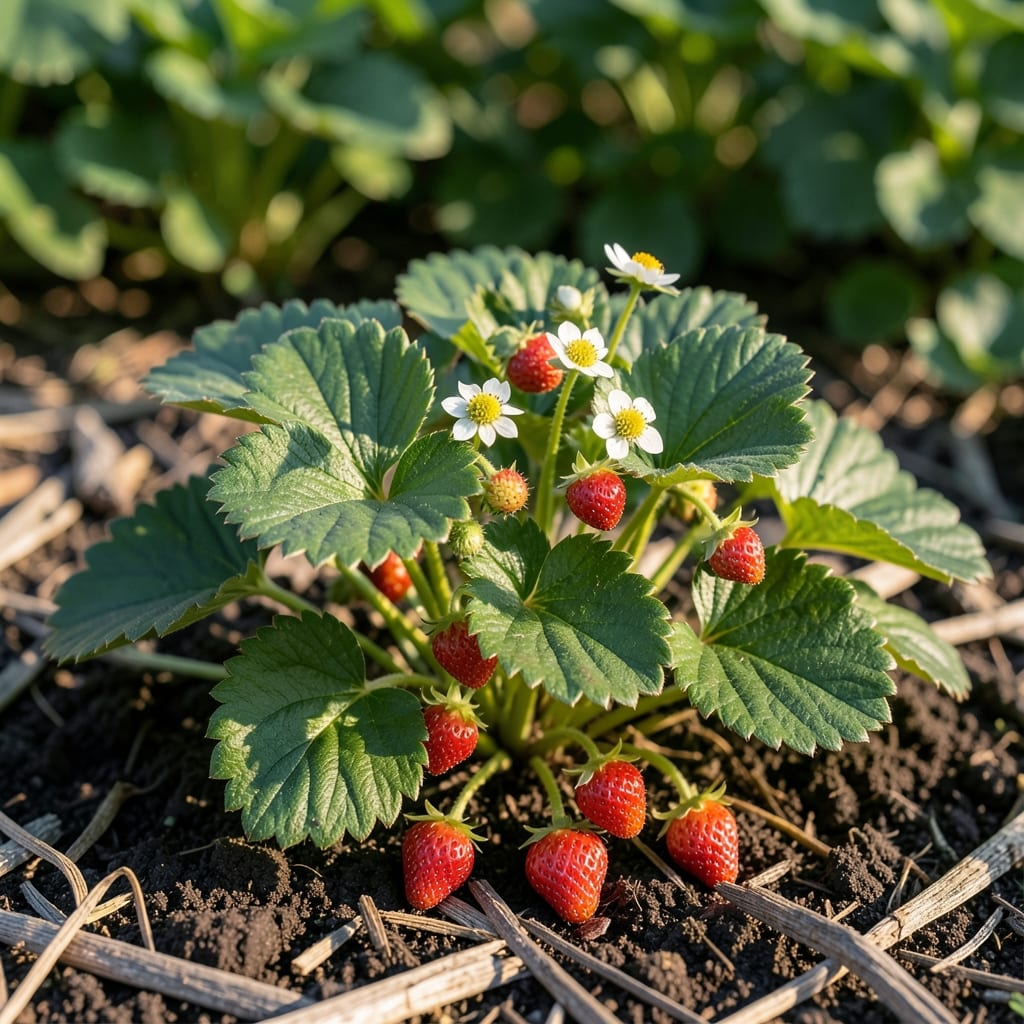
Nothing sinks a gardener’s heart like seeing strawberry leaves suddenly droop. I’ve lost entire patches overnight to causes I didn’t catch soon enough.
Wilting usually means one of three things: not enough water, too much water, or something attacking the roots. The fix is often simpler than you’d think, but timing is everything.
Catch it early and you can revive plants within 24-48 hours. Wait too long and you’re pulling dead foliage from the soil.
Here’s how to spot the difference between thirst, rot, or pests—and exactly what to do next.
Wilting strawberry leaves often signal underlying issues that disrupt the plant’s health. Below are the most common causes, explained with actionable insights.
Strawberries thrive in moderate temperatures (60–80°F). When exposed to prolonged heat or inconsistent watering, leaves lose turgor pressure (internal water support), causing them to droop. Solanum lycopersicum studies show that water stress triggers stomatal closure, reducing photosynthesis and leading to wilting. Fix: Water deeply at the base (1–1.5 inches weekly) and mulch to retain moisture.
Pathogens like Verticillium or Phytophthora attack roots, blocking water uptake. Early signs include yellowing between veins, followed by wilting. These fungi thrive in poorly drained soil or overhead watering. Fix: Remove infected plants, improve drainage, and apply copper-based fungicides preventatively.
Sap-sucking pests (e.g., aphids, spider mites) pierce leaves, draining fluids and introducing toxins. Severe infestations cause curling, yellowing, and wilting. Check leaf undersides for webbing or sticky residue (honeydew). Fix: Spray with neem oil or insecticidal soap; introduce ladybugs as natural predators.
A lack of potassium (critical for water regulation) or magnesium (central to chlorophyll) can cause leaves to wilt and turn brown at edges. Test soil pH (ideal: 5.5–6.8); deficiencies often appear in sandy or heavily leached soils. Fix: Amend with compost or a balanced fertilizer (10-10-10).
Don’t panic if your strawberry plants look droopy! Here’s how to fix the most common causes and bring those leaves back to life.
If the soil is bone-dry, give your plants a slow, deep watering at the base (not the leaves) to encourage strong root growth. Water in the early morning to reduce evaporation. Prevention tip: 💡 Mulch with straw to retain moisture and keep roots cool.
Soggy soil suffocates roots. Stop watering immediately and check drainage—poke holes in compacted soil or move potted plants to a well-draining spot. Trim any black, mushy roots with clean scissors. Prevention tip: 🎯 Water only when the top inch of soil feels dry.
Wilting from afternoon sun? Provide temporary shade with a cloth or move containers to a cooler area. Mist leaves lightly in the evening to help recovery. Prevention tip: ✨ Plant in a location with afternoon shade or use shade cloth during heatwaves.
Inspect leaves for bugs like aphids or spider mites. Blast them off with water or apply neem oil (follow label instructions). For fungal issues (e.g., powdery mildew), remove affected leaves and improve air circulation. Prevention tip: 🌡️ Space plants properly and avoid overhead watering.
Yellowing leaves with wilting? Your plants may need a balanced fertilizer (10-10-10) or a boost of potassium (try banana peel tea). Avoid over-fertilizing—it can burn roots. Prevention tip: 🔥 Test soil annually and amend with compost for long-term health.
Water deeply 1-2 times per week, providing 1-1.5 inches total. Check soil moisture by sticking your finger 1 inch deep—if dry, it’s time to water.
Yes! Soggy soil suffocates roots, preventing water uptake. Stop watering immediately if soil feels waterlogged. Improve drainage by adding perlite or moving to a raised bed.
Trim severely damaged leaves, then water deeply at the base. For heat stress, provide shade and mist leaves lightly. Most plants recover within 24-48 hours if caught early.
Check leaf undersides for tiny bugs, webbing, or sticky residue. Aphids and spider mites are common culprits. Treat with neem oil or insecticidal soap if found.