
Beautiful Plants For Your Interior
Beautiful Plants For Your Interior
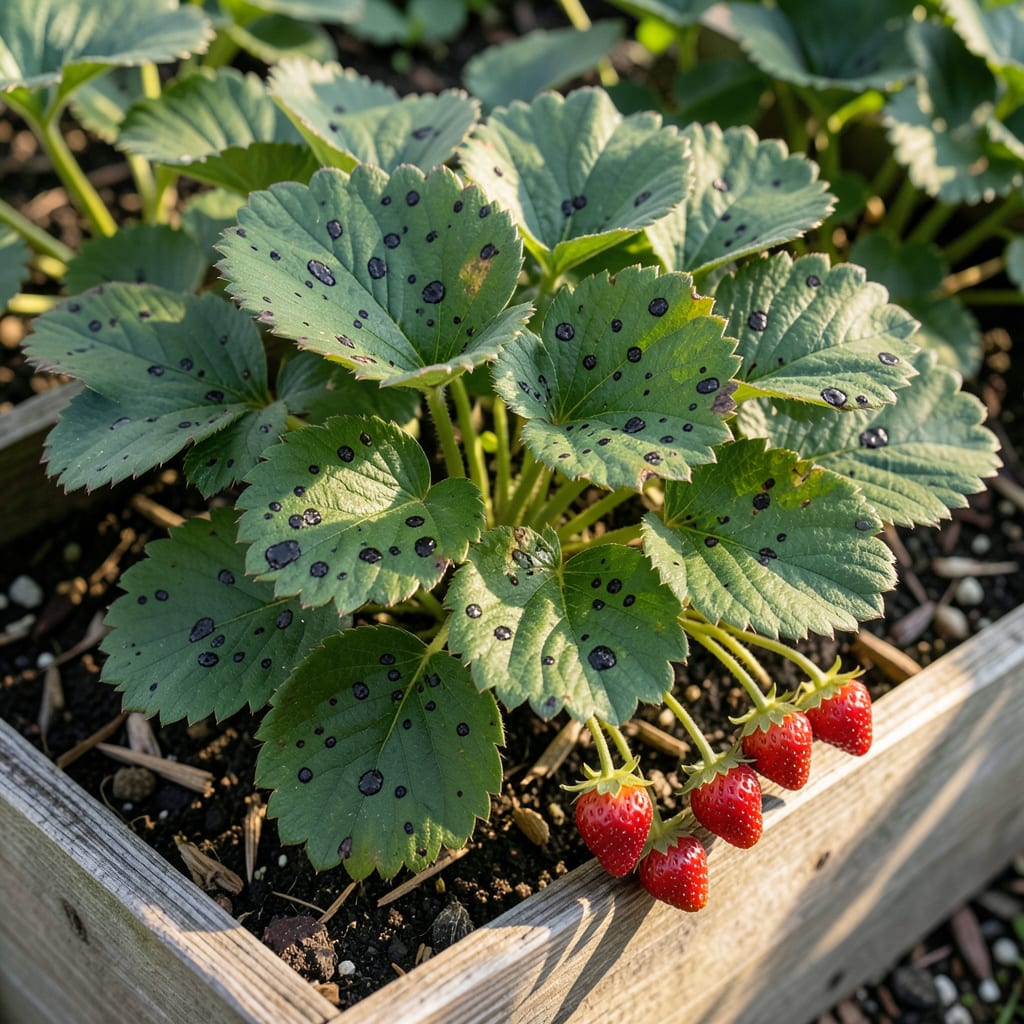
Those black spots on your strawberry leaves aren’t just unsightly—they’re a warning. I’ve seen entire patches wiped out by ignoring early signs, but catching it fast turns the tide.
Most often, it’s a fungal issue like leaf spot or anthracnose, but pests or stress can mimic the same damage. The fix starts with diagnosing the real culprit before it spreads to your fruit.
Natural remedies work surprisingly well here. A simple mix of baking soda and water, or neem oil, can halt the spread within days if applied correctly.
Prevention is easier than cure—proper spacing, good airflow, and removing infected leaves early keeps your plants productive all season.
Black spots on strawberry leaves are a red flag for underlying issues, often tied to environmental stress, pathogens, or poor cultural practices. Here’s a breakdown of the most common causes, explained simply but scientifically.
Fungi like Mycosphaerella fragariae (leaf spot disease) thrive in damp, humid conditions. They produce dark, circular lesions on leaves, often with purple or gray centers. Overhead watering or poor air circulation accelerates their spread. Fungal spores overwinter in plant debris, so sanitation is key to prevention.
Xanthomonas fragariae causes angular, water-soaked black spots that later dry and turn brown. This bacterium spreads via contaminated tools, water, or infected plant material. Warm, wet weather creates ideal conditions for infection, and symptoms often start at leaf margins.
Sap-sucking pests like aphids, mites, or strawberry root weevils can create entry points for pathogens, leading to secondary black spotting. Their feeding stress also weakens plants, making them more susceptible to disease. Check leaf undersides for tiny insects or webbing.
A lack of essential nutrients, particularly potassium or magnesium, can cause necrotic (dead) black spots on older leaves. Potassium deficiency often starts as yellowing edges, while magnesium shortages create interveinal chlorosis (yellowing between veins) before progressing to black lesions.
Extreme temperature swings, frost damage, or excessive sunlight can scorch leaves, leaving dark, irregular spots. Strawberries prefer consistent moisture—drought stress followed by heavy watering can also trigger leaf discoloration.
Tackling black spots on strawberry leaves starts with identifying the cause and applying the right fix. Here’s how to address the most common issues and keep your plants thriving.
Remove and destroy infected leaves immediately to prevent the fungus from spreading. Apply a copper-based fungicide or a homemade spray of 1 tsp baking soda + 1 quart water + a few drops of dish soap. Spray every 7–10 days, especially after rain.
Prevention: Avoid overhead watering—use a drip system instead. Space plants for good airflow, and clean up fallen leaves and debris regularly.
Blast pests off leaves with a strong stream of water. For stubborn infestations, use neem oil or insecticidal soap, spraying in the early morning or late evening. Repeat every 3–5 days until pests are gone.
Prevention: Encourage natural predators like ladybugs by planting companion flowers (e.g., marigolds). Inspect leaves weekly for early signs of pests.
Amend the soil with compost or a balanced organic fertilizer to restore missing nutrients. For calcium, add crushed eggshells or lime. For potassium, use wood ash or a potassium-rich fertilizer.
Prevention: Test soil annually and adjust amendments as needed. Mulch with straw to retain moisture and nutrients.
Let the soil dry slightly between waterings. If drainage is poor, improve it by mixing in sand or perlite. Ensure containers have drainage holes.
Prevention: Water at the base of the plant, not the leaves, and use a moisture meter to avoid overwatering.
💡 Pro Tip: Rotate crops yearly to prevent soil-borne diseases from recurring in the same spot.
The spots themselves won’t harm you, but infected leaves shouldn’t be consumed. The fruit is usually safe if the spots are only on leaves, but wash thoroughly. When in doubt, discard affected plant parts.
Fungal issues can spread within 2-3 days in wet conditions. Isolate affected plants immediately and avoid overhead watering to prevent further contamination. Early action saves entire patches.
Yes, this is the first step for fungal or bacterial issues. Use clean scissors and dispose of leaves in the trash—not compost. Always disinfect tools between cuts.
A baking soda solution (1 tsp per quart of water) works well for mild fungal cases. Add a drop of dish soap to help it stick. Apply in the evening for best results.
