
Beautiful Plants For Your Interior
Beautiful Plants For Your Interior
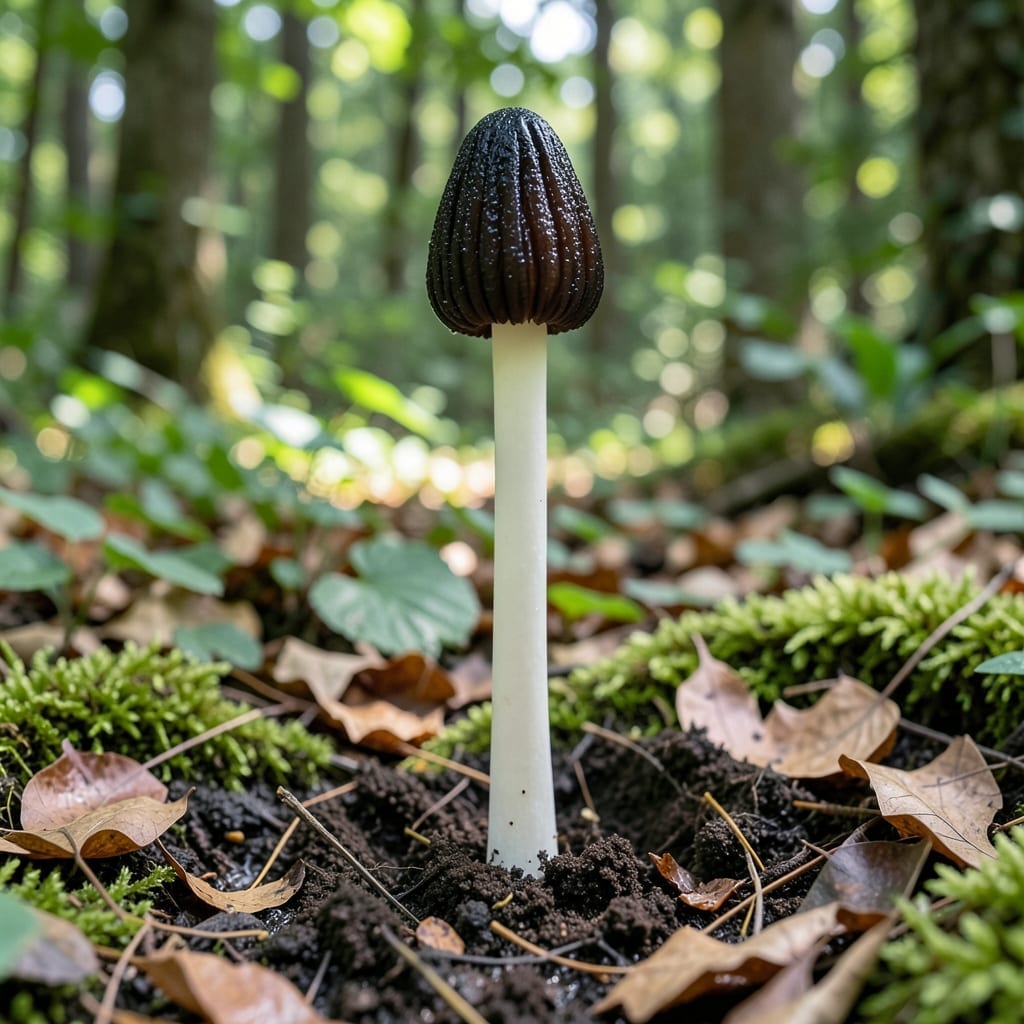
That smell hit me first—rotten eggs in my flower beds. Stink horn fungus appears overnight, its phallic shape and putrid odor making it impossible to ignore.
It’s not harmful to plants, but its presence means decaying organic matter is feeding it. I learned the hard way that removing the visible parts only solves half the problem.
Safe removal starts with gloves and a trowel, digging out the base to prevent regrowth. The real fix involves addressing the underlying moisture and organic debris in your soil.
Prevention means better drainage, less wood mulch, and keeping your garden beds clean. It’s a nuisance, but manageable with the right approach.
The emergence of stink horn fungi in your garden is a natural, though often unwelcome, phenomenon. These fungi thrive under specific conditions, and understanding these causes can help you manage and prevent their growth. Below are the primary reasons why stink horn fungi appear in your outdoor spaces.
Stink horn fungi, like many fungi, are saprophytic, meaning they feed on decomposing organic material. Gardens with abundant wood chips, mulch, compost, or decaying roots provide an ideal food source. The fungi’s mycelium (a network of thread-like structures) breaks down this matter, leading to the sudden appearance of fruiting bodies—those distinctive, foul-smelling horns.
Moist environments accelerate fungal growth. Overwatered lawns, poorly drained soil, or areas with high humidity create the perfect breeding ground. Stink horns often emerge after heavy rains or in shaded, damp spots where moisture lingers. Reducing irrigation and improving drainage can discourage their development.
Stink horn fungi are most active in warm, mild climates, typically appearing in late summer or early fall. The combination of warmth and moisture triggers their growth cycle. If you live in a region with these conditions, be extra vigilant about organic debris and soil moisture levels.
Any activity that disturbs the soil—such as tilling, digging, or construction—can bring dormant fungal spores to the surface. Once exposed to air and moisture, these spores can germinate, leading to the growth of stink horns. Minimizing unnecessary soil disruption can help prevent their emergence.
Dealing with stink horn fungus in your garden can be a smelly nuisance, but these practical solutions will help you remove it safely and prevent future growth.
If you spot mature stink horns, put on gloves and use a shovel or trowel to dig them out, including the underground stem (rhizome). Do not compost them—dispose of them in sealed bags to avoid spreading spores. Clean your tools afterward with a bleach solution (1 part bleach to 9 parts water) to prevent contamination.
Stink horns thrive in decaying wood, mulch, or leaf litter. Rake and remove old mulch, fallen leaves, or rotting wood from your garden beds. Replace with fresh, well-draining mulch to discourage regrowth. If the fungus is in your lawn, aerate the soil to improve drainage and reduce moisture buildup.
Overwatering creates the damp conditions stink horns love. Water deeply but less frequently, allowing the top inch of soil to dry between waterings. Use a moisture meter to monitor soil dampness, and ensure your garden has proper drainage to avoid soggy spots.
With consistent effort, you can keep your garden stink horn-free and enjoying its fresh, clean scent again! 🌸
No, it’s not toxic if touched, but the smell can be overwhelming. Keep pets and kids away while removing it to prevent them from rolling in or eating it, as it may cause mild stomach upset.
The odor attracts flies, which help spread its spores. The stench mimics rotting meat to lure insects for reproduction. It fades quickly once the fungus is removed.
Yes! Reduce organic debris, improve drainage, and avoid overwatering. Replace wood mulch with gravel or pine straw. Solarizing soil in summer also helps kill spores.
Vinegar can slow growth but won’t eliminate the underlying mycelium. For best results, dig out the base and treat the soil with a natural fungicide like neem oil.