
Beautiful Plants For Your Interior
Beautiful Plants For Your Interior
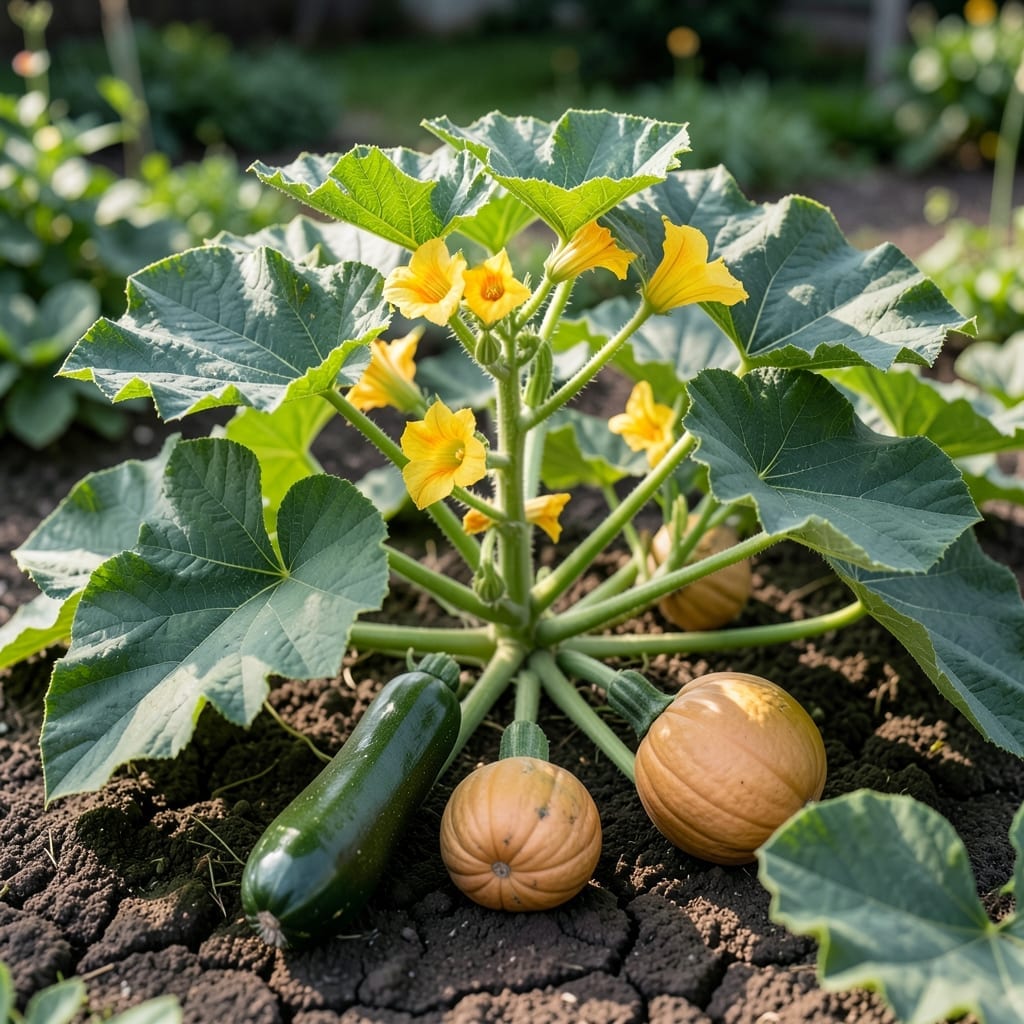
I still get giddy walking through my garden in late summer, spotting the first hints of color beneath those massive squash leaves. These plants are the overachievers of the vegetable patch.
From delicate pattypans to hefty hubbards, each variety brings its own personality to the table. Some climb trellises while others sprawl across the soil, but they all share that satisfying growth rate you can practically watch.
What surprise me most are the unexpected colors—deep greens, sunny yellows, even striped varieties that look too pretty to eat. The best part? Most thrive with just basic care and full sun.
Whether you want quick harvests or storage crops that last through winter, there’s a squash for every gardener and every space.
The stunning diversity in squash varieties isn’t random—it’s the result of genetics, environment, and human selection. Here’s why your garden (or grocery store) might look like a kaleidoscope of shapes, colors, and sizes:
Squash (Cucurbita spp.) naturally mutates over time, producing variations in fruit shape, rind thickness, and flesh color. Selective breeding by farmers and gardeners has amplified these traits. For example, zucchini (a type of summer squash) was developed from wild ancestors through generations of choosing straight, tender fruits. Heirloom varieties, like ‘Blue Hubbard’, preserve unique genetic quirks passed down for centuries.
Climate and soil conditions shape squash varieties. In hot, dry regions, thick-skinned winter squashes (e.g., ‘Butternut’) evolved to resist water loss. Meanwhile, fast-growing summer squashes thrive in shorter, cooler seasons. Even pollination plays a role: Cross-pollination between different Cucurbita species can create hybrid offspring with unexpected traits.
Farmers breed squash for specific purposes: taste (sweet ‘Delicata’), storage (hard-shelled ‘Acorn’), or ornamental use (colorful ‘Turk’s Turban’). Modern hybrids, like disease-resistant ‘Yellow Crookneck’, are engineered to address common garden challenges. Without intentional selection, many beloved varieties would disappear!
Growing squash can be rewarding, but even the healthiest plants face challenges. Below are practical fixes for typical problems, paired with prevention tips to keep your garden thriving.
Yellow leaves often signal a nitrogen deficiency. Fix: Apply a balanced fertilizer (10-10-10) or work compost into the soil. For a quick boost, use a foliar spray of diluted fish emulsion. Prevent: Test soil before planting and amend with organic matter annually.
Squash bugs and vine borers love tender stems. Fix: Handpick pests early in the morning or use neem oil spray. For vine borers, wrap stems with aluminum foil to block egg-laying. Prevent: Rotate crops yearly and plant companion herbs like basil or nasturtiums to deter pests.
Underwatering or overwatering can cause wilting. Fix: Water deeply at the base (1–2 inches per week) and mulch to retain moisture. If roots are soggy, improve drainage with raised beds or sand. Prevent: Use drip irrigation for consistent moisture and avoid wetting leaves to reduce disease risk.
White powder on leaves? Increase airflow by spacing plants 3–4 feet apart. Fix: Spray with a mix of 1 tbsp baking soda, 1 tsp dish soap, and 1 gallon of water. Prevent: Water in the morning so foliage dries quickly, and choose resistant varieties like ‘Dunja’ zucchini.
Pro tip: 💡 Healthy soil is your best defense—prioritize compost and avoid over-fertilizing!
Zucchini is the most beginner-friendly. It grows quickly, produces abundantly, and tolerates minor mistakes. Expect harvests in 45-55 days with minimal care.
Summer types have thin, edible skins and are eaten fresh. Winter varieties have hard rinds and need curing for storage. Look for thick shells on butternut or acorn types.
Yes, but keep similar species together. Cross-pollination won’t affect this season’s fruit but may change next year’s seeds. Space vines 3-4 feet apart.
Hubbard and kabocha can last 6 months or more in cool, dry conditions. Their thick skins prevent moisture loss better than others.