
Beautiful Plants For Your Interior
Beautiful Plants For Your Interior
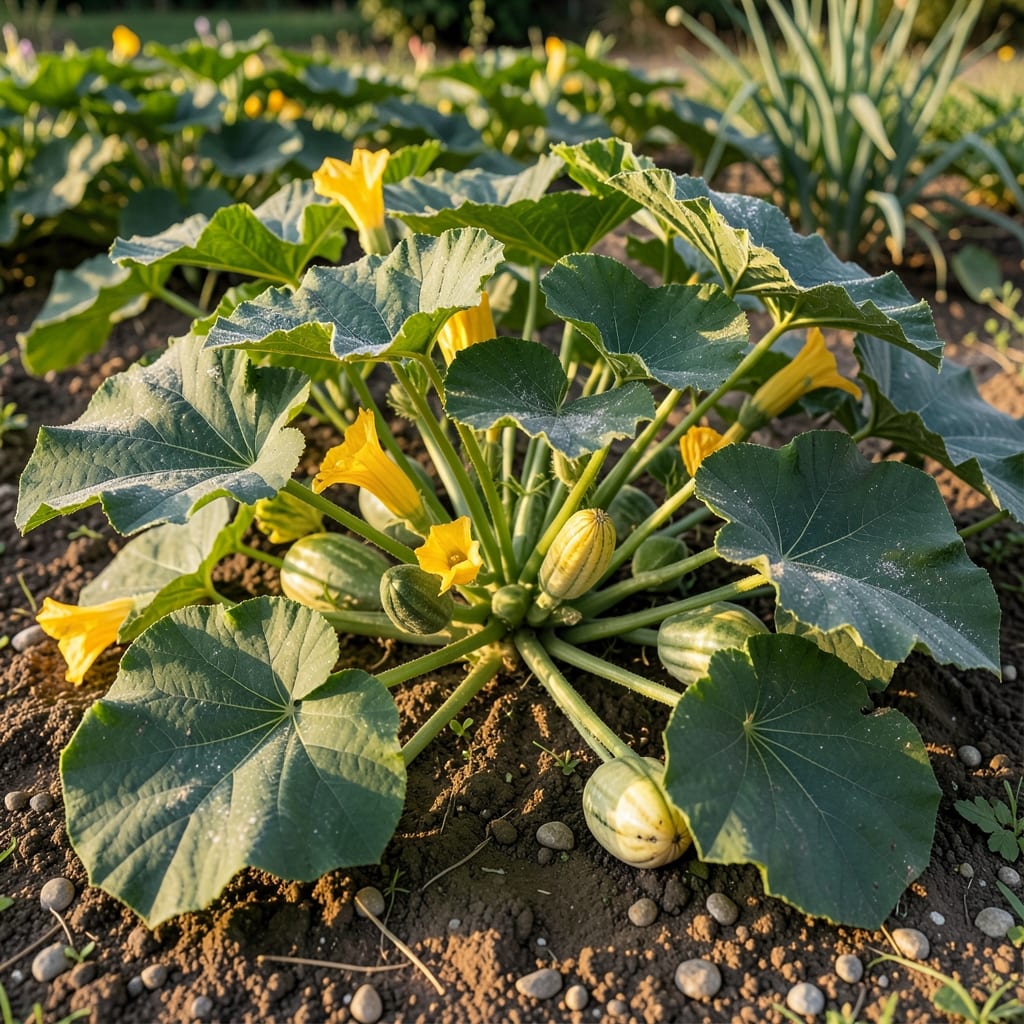
White squash leaves caught me off guard last season. One morning they looked fine, the next they were dusted like someone had sprinkled flour across my garden.
I panicked, but then realized it’s usually one of three things: powdery mildew, pest damage, or a nutrient issue. Each has its own telltale signs if you know where to look.
Organic solutions work fast if you act early. Neem oil, baking soda sprays, and better air circulation can turn things around in days. Prevention is even simpler.
Your squash can bounce back stronger. Here’s exactly how to identify the problem and fix it without chemicals.
Several factors can cause squash leaves to turn white, often signaling underlying issues in plant health. Below are the most common causes, explained with actionable insights.
This fungal disease (Podosphaera xanthii) thrives in warm, dry conditions with high humidity. It appears as white, powdery spots on leaf surfaces, eventually coating entire leaves. The fungus blocks sunlight absorption, weakening the plant. Improve airflow and avoid overhead watering to prevent it.
Intense sunlight can bleach squash leaves, turning them pale or white. This often happens in young plants or after sudden exposure to harsh light. Provide shade cloth during peak hours to protect foliage.
Waterlogged soil restricts oxygen flow to roots, leading to nutrient deficiencies that manifest as white or yellowing leaves. Ensure well-draining soil and water only when the top inch of soil is dry.
Whiteflies feed on sap, leaving behind sticky honeydew that can develop into sooty mold, giving leaves a white, dusty appearance. Use neem oil or insecticidal soap to control infestations.
A lack of magnesium or iron can cause interveinal chlorosis, where leaves turn white or yellow between veins. Test soil and amend with Epsom salt (magnesium) or chelated iron as needed.
White squash leaves are a sign of trouble, but the good news is most causes are treatable. Below are targeted fixes for the most common issues, along with prevention tips to keep your plants healthy.
If the white coating looks like dusty flour, powdery mildew is likely the culprit. Treat it by spraying leaves with a mixture of 1 teaspoon baking soda, 1 quart water, and a drop of dish soap. Apply weekly until the issue clears. Prevention: Improve air circulation by spacing plants properly and watering at the base to avoid wetting leaves.
Tiny white or yellow specks on the undersides of leaves? Spider mites may be to blame. Blast them off with a strong stream of water, then follow up with neem oil spray (mix 2 tbsp neem oil with 1 gallon of water). Prevention: Keep plants well-hydrated—mites thrive in dry conditions. Use companion plants like marigolds to deter pests.
White, bleached patches often mean sunburn. Shield affected plants with shade cloth (30-50%) during peak sun hours. If the damage is minor, the plant may recover on its own. Prevention: Harden off seedlings gradually before transplanting and avoid sudden exposure to intense sunlight.
White, crusty blisters (edema) form when roots absorb water faster than leaves can release it. Reduce watering frequency and improve drainage by adding compost or perlite to the soil. Prevention: Water consistently—avoid overwatering after a dry spell.
💡 Pro Tip: Always inspect new plants for signs of pests or disease before introducing them to your garden to avoid spreading problems.
It depends on the cause. If it’s powdery mildew or pests, leaves may recover with treatment. Severe sun scorch or nutrient deficiencies often mean permanent damage. Focus on saving healthy growth.
Space plants for airflow, water at the base, and use mulch to prevent soil splashing. Add neem oil to your spray routine every 2 weeks as prevention.
Yes, as long as you wash the produce thoroughly. The issues causing white leaves don’t typically affect the edibility of the squash itself. When in doubt, cook it thoroughly.