
Beautiful Plants For Your Interior
Beautiful Plants For Your Interior
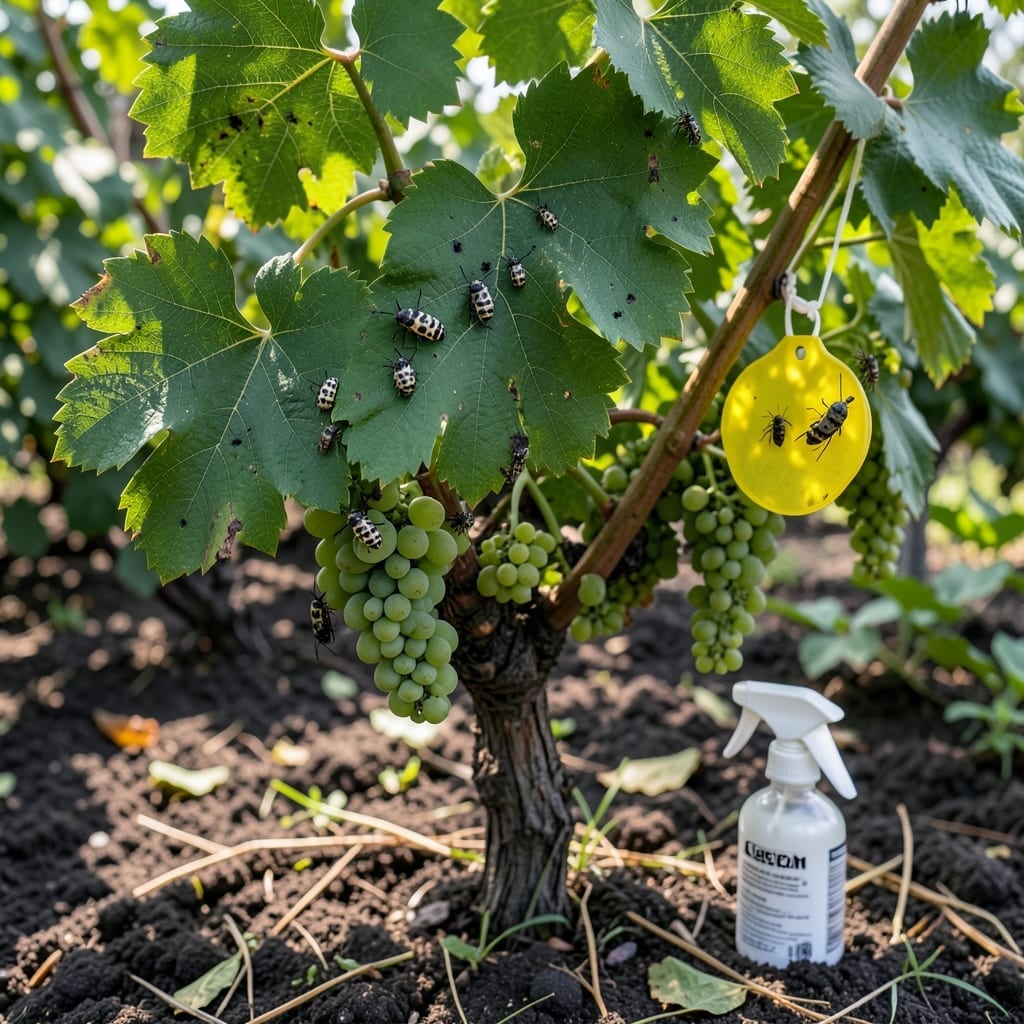
California’s spotted lanternfly threat is real but manageable. I’ve seen firsthand how early action stops these pests before they devastate vineyards and gardens. The key is knowing what to look for before the damage spreads.
Their egg masses resemble mud splatters on trees, and nymphs start black with white spots. Adults appear in late summer with distinctive red underwings. California’s dry climate actually slows their spread compared to the East Coast.
Removal is straightforward: scrape egg masses into soapy water and report sightings immediately. The state’s agricultural department tracks outbreaks, and rapid reporting prevents widespread infestations.
This plan works for backyards, orchards, and urban landscapes. Stay vigilant—your garden’s health depends on it.
The spotted lanternfly’s arrival in California is driven by a mix of natural behaviors and human activities. Understanding these causes helps gardeners and officials take targeted action.
The insect is a strong hitchhiker, but it also spreads naturally by flying short distances. Adults can cover 1-2 miles on their own, especially in warm, humid climates like parts of Southern California. Their eggs, laid on smooth surfaces like tree bark or outdoor furniture, survive winter and hatch in spring, enabling localized infestations to grow.
The primary cause of long-distance spread is accidental human transport. Egg masses are often unseen on vehicles, firewood, or nursery stock. Shipping pallets, camping gear, and even parked cars can carry them across counties—or states. California’s busy ports and highways make it especially vulnerable to this kind of unintentional introduction.
California’s diverse agriculture provides abundant food sources. The spotted lanternfly prefers grapes, almonds, and stone fruits—all major crops in the state. Additionally, it thrives on Ailanthus altissima (Tree of Heaven), an invasive plant already widespread in urban and wild areas. This combination of preferred hosts accelerates population growth once the pest establishes a foothold.
Combating the spotted lanternfly in California requires a mix of vigilance, immediate action, and long-term prevention. Here’s how to tackle the problem at every stage:
If you spot egg masses (gray, mud-like patches), nymphs (black with white spots), or adults (distinctive red wings), report sightings immediately to the California Department of Food and Agriculture (CDFA). Use their online form or call the pest hotline. Early reports help authorities contain outbreaks before they spread.
For isolated egg masses or nymphs, scrape them into a sealed bag with rubbing alcohol or hand sanitizer to kill them. Adults can be captured with a net or vacuum (dispose of the bag afterward). Pro tip: 💡 Wear gloves—lanternflies can excrete sticky honeydew!
For severe cases, apply systemic insecticides (like dinotefuran or imidacloprid) to host plants such as grapevines, fruit trees, or hardwoods. Always follow label instructions and avoid harming pollinators. Contact a licensed pest control professional for large-scale treatments.
Remember: ✨ Consistency is key—combine these methods for the best results!
Look for gray, mud-like patches on trees, outdoor furniture, or vehicles. These masses contain 30-50 eggs each and are often overlooked until they hatch in spring.
They prefer grapes, almonds, and stone fruits. Also watch for infestations on Ailanthus altissima (Tree of Heaven), their favorite host plant.
Yes, but choose approved systemic insecticides and follow label instructions carefully. Always apply in the evening to protect pollinators
Place them in a sealed bag with rubbing alcohol or hand sanitizer. Never crush them—they release sticky honeydew when threatened.