
Beautiful Plants For Your Interior
Beautiful Plants For Your Interior
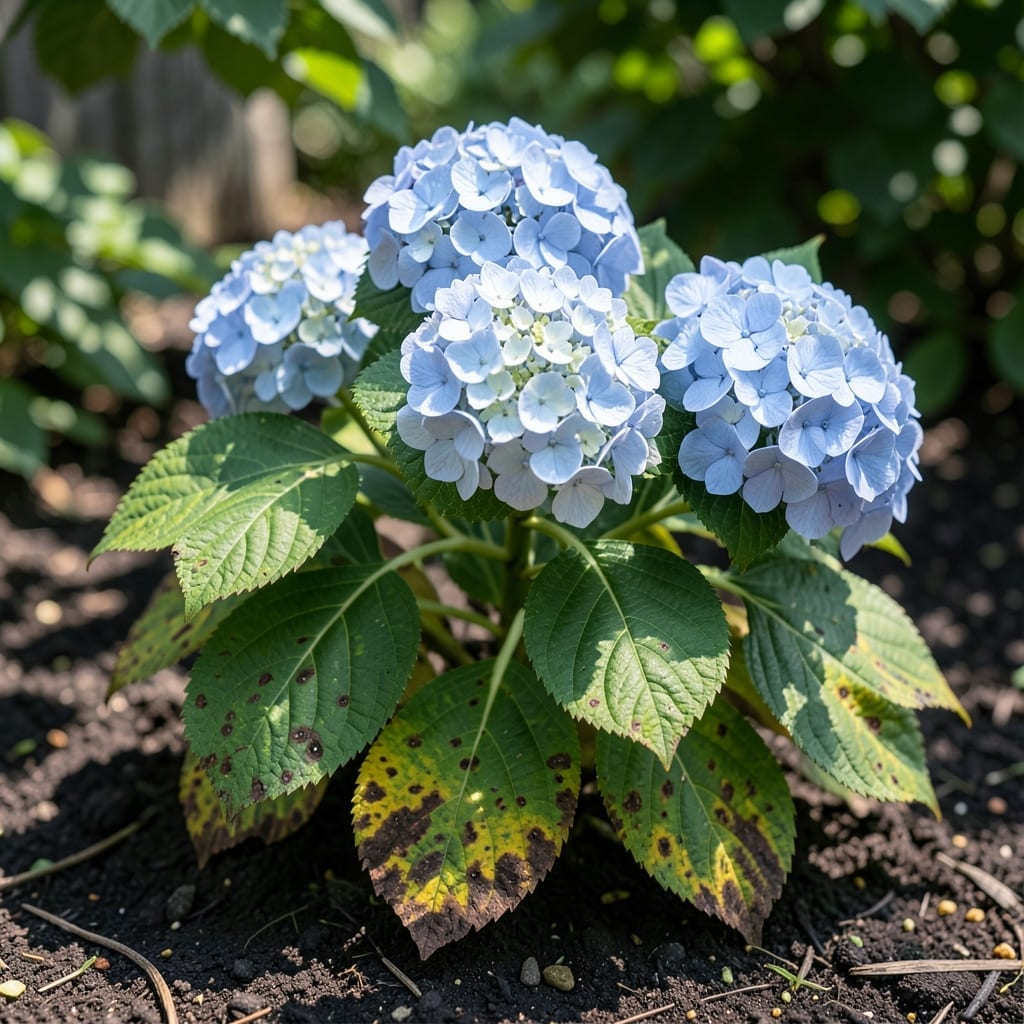
Those brown spots on your hydrangea leaves aren’t just ugly—they’re a cry for help. I’ve seen 3 common culprits behind this issue, and each leaves its own calling card on the foliage.
Fungal diseases love damp conditions, pests leave telltale patterns, and environmental stress shows up as discoloration. The good news? Early detection makes treatment 10x easier and more effective.
With the right organic approach, you can stop the spread, restore leaf health, and even prevent future outbreaks. No harsh chemicals required.
Works for all hydrangea varieties, from bigleaf to oakleaf. Let’s diagnose and fix this together.
Spots on hydrangea leaves or blooms often signal underlying issues that disrupt the plant’s health. Below are the most common causes, explained with actionable insights to help you diagnose and address the problem.
Fungi like Cercospora or Anthracnose thrive in warm, humid conditions. They produce circular, brown, or purple spots with dark edges, often starting on lower leaves. Overhead watering and poor air circulation accelerate their spread. Action: Improve airflow, avoid wetting foliage, and apply copper-based fungicides preventatively.
Xanthomonas or Pseudomonas bacteria cause water-soaked, irregular spots that turn black or yellow. These often appear after rain or overhead irrigation. Action: Remove infected leaves immediately, sanitize pruning tools, and use bactericides like copper sprays. Avoid working with plants when wet.
Insects such as lace bugs, aphids, or spider mites pierce leaf tissues, creating stippled or discolored spots. Their feeding weakens the plant and may introduce secondary infections. Action: Inspect leaf undersides, use insecticidal soap, and encourage beneficial predators like ladybugs.
Extreme heat, drought, or nutrient deficiencies (e.g., magnesium or iron) can cause yellowing or necrotic spots. Over-fertilization, especially with high-nitrogen products, may also trigger leaf burn. Action: Test soil pH (hydrangeas prefer 5.2–6.5), adjust watering habits, and apply balanced organic fertilizers.
Herbicides, improperly diluted pesticides, or foliar feeds can scorch leaves, creating irregular brown or black spots. Action: Rinse affected foliage immediately with water, and always follow label instructions for chemical applications.
Dealing with unsightly spots on your hydrangeas? Here’s how to tackle the most common causes with practical, organic solutions to restore your plant’s health.
Fix: Remove and destroy affected leaves to prevent spread. Spray the plant with a baking soda solution (1 tsp baking soda, 1 quart water, ½ tsp mild soap) or neem oil (mix as directed) every 7–10 days until symptoms fade. Improve air circulation by pruning crowded branches.
Prevention: Water at the base (avoid wetting leaves) and space plants 3–4 feet apart. Apply a copper fungicide preventatively in humid seasons. 💡 Pro tip: Plant in full sun to reduce moisture buildup.
Fix: Blast pests off with a strong stream of water. Apply insecticidal soap or horticultural oil (follow label rates) to both sides of leaves. For severe infestations, introduce beneficial insects like ladybugs.
Prevention: Inspect leaves weekly (check undersides!) and encourage natural predators with companion plants like marigolds. ✨ Keep your garden diverse!
Fix: Let the soil dry slightly between waterings. If roots are soggy, improve drainage by amending soil with compost or perlite. Trim blackened, mushy roots and repot if container-grown.
Prevention: Use well-draining soil and pots with drainage holes. Water deeply but less frequently—hydrangeas prefer consistent moisture, not soggy feet. 🌡️ Stick your finger 1 inch into soil to test dryness.
Fix: Test soil pH (hydrangeas prefer 5.2–6.2). For yellowing between veins (iron deficiency), apply chelated iron or lower pH with sulfur. For general nutrient lack, use a balanced organic fertilizer (10-10-10).
Prevention: Feed hydrangeas in early spring and midsummer with compost or a slow-release organic fertilizer. Mulch with pine needles to naturally acidify soil. 🎯 Target the root cause, not just the symptoms!
Yes, soggy soil leads to root rot and fungal growth, which often appears as brown or yellow spots. Let soil dry slightly between waterings and use well-draining pots.
Fungal spots have defined edges and appear in humid conditions. Bacterial spots are water-soaked, irregular, and spread quickly after rain. Check undersides for clues.
Neem oil treats fungal issues and deters pests, but not bacterial infections or nutrient deficiencies. Combine with copper spray for bacteria and soil testing for deficiencies.
Remove severely affected leaves to prevent spread, but leave minor cases to monitor. Always sanitize pruning tools with rubbing alcohol after use.