
Beautiful Plants For Your Interior
Beautiful Plants For Your Interior
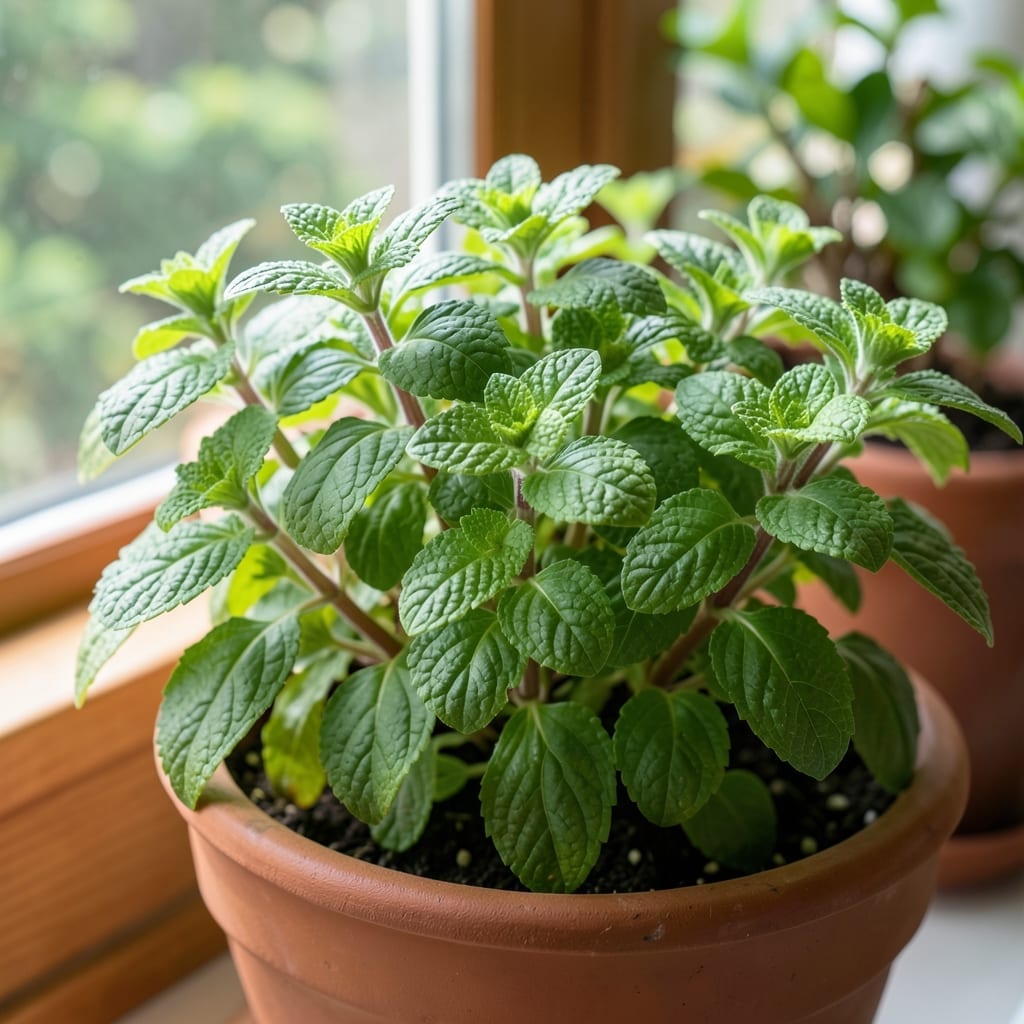
Yellowing edges first caught my attention last summer. 🌿 My thriving mint patch turned spotty overnight, and I realized too late that overwatering was drowning the roots while pests took advantage of the stress.
Turns out, mint leaves spoil fast when conditions aren’t just right. Too much water, not enough air circulation, or a hidden aphid party can turn vibrant green into a sad, wilted mess in days.
I fixed it with better drainage, a simple neem oil spray, and pruning away the worst damage. Within a week, new growth emerged healthier than before.
The key is catching it early. Here’s how to spot the signs before it’s too late.
Mint leaves spoil due to a mix of biological, environmental, and handling factors. Understanding these causes helps you prevent waste and keep your herbs fresh longer.
Bacteria and fungi thrive in moist, warm conditions. Mint leaves naturally carry surface microbes, which multiply rapidly when exposed to excess humidity or poor airflow. For example, storing mint in a sealed plastic bag traps moisture, creating an ideal breeding ground for Pseudomonas bacteria or Botrytis mold.
When mint leaves are bruised or cut, enzymatic browning occurs. The enzyme polyphenol oxidase (PPO) reacts with oxygen in the air, turning the leaves brown and bitter. This is why roughly handled or pre-chopped mint spoils faster.
Mint is sensitive to heat and cold stress. Leaves left in direct sunlight or stored near heat sources (like stoves) accelerate spoilage. Conversely, refrigeration without protection can cause chilling injury, leading to blackened spots or wilting due to cell damage.
Overwatering (for fresh plants) or improper washing before storage introduces excess water. This softens cell walls, making leaves mushy and prone to rot. Even condensation inside a storage container can trigger the same effect.
Mint naturally deteriorates over time, but ethylene gas (released by fruits like apples or bananas) speeds up the process. Storing mint near ethylene-producers causes premature yellowing and wilting.
When your mint starts looking sad, act fast with these simple fixes to revive its freshness and flavor. 🌿
Fix: Trim off the damaged leaves with clean scissors and check the soil. If it’s soggy, let it dry out before watering again. If it’s bone-dry, give it a deep drink. Mint loves moisture but hates waterlogged roots.
Prevention tip: 💡 Water only when the top inch of soil feels dry. Use well-draining pots to avoid root rot.
Fix: Spray leaves with a mix of 1 tsp mild soap + 1 quart water to evict aphids or spider mites. For stubborn bugs, introduce ladybugs or use neem oil (follow label instructions).
Prevention tip: 🎯 Inspect new plants before bringing them home, and keep your garden clean to deter pests.
Fix: Remove affected leaves immediately and improve air circulation. Trim overcrowded stems to let light and air reach the center. Avoid overhead watering to keep leaves dry.
Prevention tip: ✨ Space plants 12–18 inches apart and water at the base in the morning.
Fix: Move potted mint to a shadier spot or provide afternoon shade for garden plants. Mulch around the base to retain moisture and cool the roots.
Prevention tip: 🌡️ Mint thrives in partial shade, especially in hot climates. Aim for 4–6 hours of morning sun.
Fix: Prune regularly to encourage bushier growth. Cut back leggy stems by one-third, focusing on the oldest growth first. Use the trimmings for tea or pesto!
Prevention tip: ⏰ Harvest often to keep the plant productive and prevent it from flowering, which can make leaves bitter.
Look for black spots, slimy texture, or a strong sour smell. Fresh mint should be vibrant green and crisp. Yellowing or wilting often means it’s past its prime.
If they’re just slightly wilted but not slimy or discolored, revive them in ice water for 10-15 minutes. Avoid using leaves with mold or off smells.
Browning happens due to oxidation when leaves are bruised or cut. Store whole sprigs in a damp paper towel in the fridge to slow this process.
Properly stored in an airtight container with a paper towel, fresh mint stays vibrant for 5-7 days. Change the towel if it gets too wet.