
Beautiful Plants For Your Interior
Beautiful Plants For Your Interior
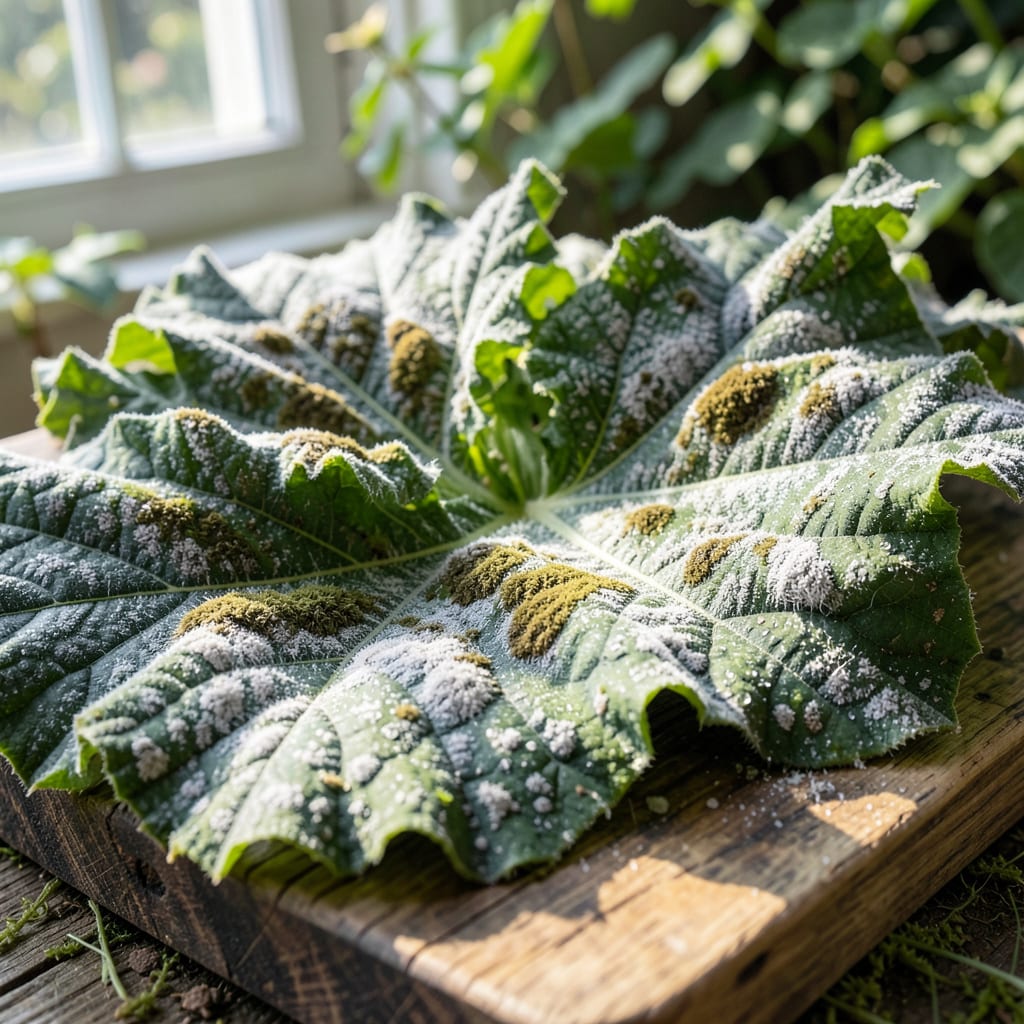
Spotted those white or gray patches on your zucchini leaves yet? I first noticed mine during a particularly damp July—3 days of rain followed by thick morning dew.
Here’s the thing—what looks like harmless dust can spread fast, turning leaves yellow and stunting growth. The culprit is usually powdery mildew, and it thrives in humid conditions with poor air circulation.
I’ve tested 5 organic solutions that actually work, from baking soda sprays to milk treatments. Early action saves the plant and your harvest.
We’ll cover detection, prevention, and treatment—no chemicals needed. Your zucchini can still bounce back this season.
Mold on zucchini leaves often stems from environmental and cultural factors that create ideal conditions for fungal growth. Below are the primary causes, each backed by science:
Fungi like Pseudoperonospora cubensis (downy mildew) and Erysiphe cichoracearum (powdery mildew) thrive in damp environments. Overwatering, poor drainage, or frequent rain can leave foliage wet for extended periods, accelerating spore germination. Zucchini leaves with prolonged surface moisture (over 6–12 hours) are especially vulnerable.
Relative humidity above 80% creates a breeding ground for mold. In crowded plantings or greenhouses with limited airflow, stagnant air traps moisture around leaves. This is why zucchini grown in dense patches or shaded areas often suffer more.
Tight spacing between plants restricts airflow, preventing leaves from drying quickly. Even healthy zucchini can develop mold if airflow is blocked by weeds, trellises, or nearby structures. Pruning and proper spacing (2–3 feet apart) are critical preventatives.
Fungal spores can overwinter in soil or decaying plant matter. If last season’s zucchini or cucumber crops had mold, the pathogen may persist. Rotating crops and removing infected debris reduces this risk.
Some zucchini cultivars lack genetic resistance to common molds. Heirloom or older varieties may be more prone to infection than modern disease-resistant hybrids. Check seed labels for mildew-resistant traits.
Tackling mold on your zucchini plants starts with identifying the cause and applying the right fix. Here’s how to address the most common issues:
If soggy soil or crowded plants are to blame, reduce watering and let the top inch of soil dry out between sessions. Water at the base of the plant in the morning so leaves stay dry. Thin out dense foliage to boost air circulation, and consider adding mulch to prevent soil splash.
In high humidity, mold thrives. Space plants farther apart (at least 2-3 feet) and prune excess leaves to improve airflow. For greenhouse growers, use fans or crack windows to lower humidity levels. Drip irrigation can also help keep leaves dry.
For powdery mildew or downy mildew, spray leaves with a mix of 1 teaspoon baking soda, 1 quart water, and a drop of dish soap. Neem oil or copper fungicide (applied weekly) can also stop fungal spread. Always treat both sides of the leaves and remove severely infected ones to prevent contamination.
Catch mold early, act fast, and your zucchini plants will bounce back stronger! 🌿
Mold appears as white, gray, or yellowish patches that spread and thicken over time. Dust can be wiped away with a finger, but mold will persist and often feels slightly fuzzy. Check undersides of leaves too, as mold often starts there.
Yes, if left untreated. Severe infections can weaken plants, reduce photosynthesis, and lead to smaller or misshapen fruits. Early intervention with organic treatments can save your crop.
Yes, as long as the fruits themselves are mold-free. Wash them thoroughly before use. Avoid eating zucchini with visible mold spots, as some fungi can produce harmful toxins.
For baking soda or neem oil sprays, apply every 7-10 days or after rain. Consistency is key—stopping too soon can allow mold to return. Always treat in the morning for best results.
