
Beautiful Plants For Your Interior
Beautiful Plants For Your Interior
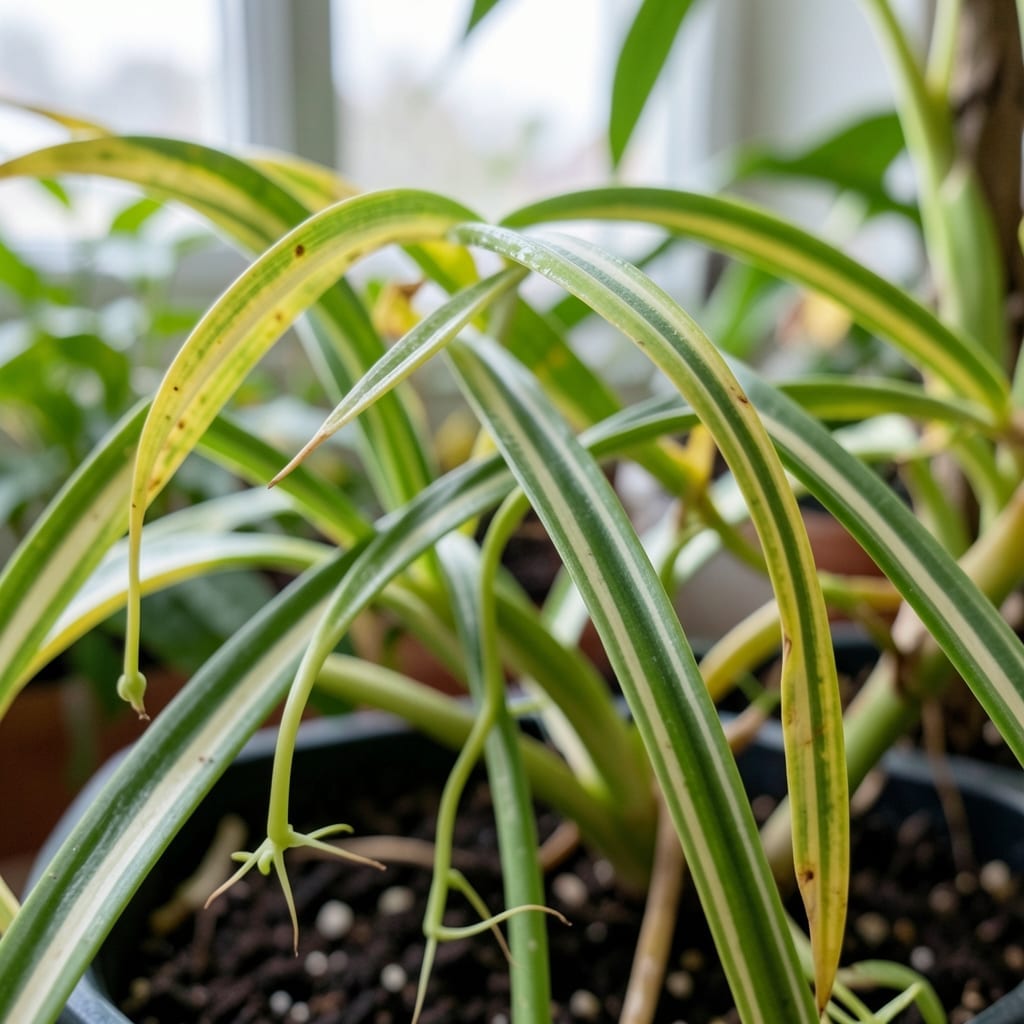
Yellow tips and droopy leaves are your spider plant screaming for help. I ignored these signs once—ended up with root rot and a sad, mushy plant I had to toss. Overwatering is easier to fix than you think, though.
The first clue is usually brown, crunchy tips or leaves that flop over like they’re exhausted. Your plant isn’t thirsty—it’s drowning. Healthy spider plants bounce back fast once you adjust your routine.
Cut back on watering, check the soil (it should be dry 1-2 inches down), and trim any black roots. Most plants rebound within 2-3 weeks with the right care.
Prevent future issues by watering only when the soil feels dry and using pots with drainage holes. Simple changes make all the difference.
Overwatering your spider plant (Chlorophytum comosum) often stems from a mix of human error and environmental misjudgments. Here’s why it happens, broken down by the most common culprits:
When pots lack drainage holes or use compacted soil, water pools at the bottom, suffocating the roots. Spider plants thrive in well-draining mixes (like peat-perlite blends) that prevent waterlogging. Without this, roots drown, leading to root rot—a fungal or bacterial infection that turns roots mushy and brown.
Many plant owners stick to a rigid schedule (e.g., “water every Monday”) instead of checking soil moisture. Spider plants prefer drying out slightly between waterings. Use the finger test: if the top 1-2 inches of soil are dry, it’s time to water. Overwatering disrupts the soil’s oxygen balance, stressing the plant.
Dense soils (like pure garden soil) trap moisture, increasing the risk of overwatering. Spider plants need a light, airy medium to allow excess water to evaporate. Amend soil with perlite or sand to improve drainage and mimic their native South African habitats.
In dim or humid environments, water evaporates more slowly. If your spider plant sits in a low-light corner or bathroom, it’ll need less frequent watering. Pair this with poor airflow, and you’ve created a perfect storm for overwatering.
Address these factors, and your spider plant’s roots can breathe easy. 💡
If your spider plant is suffering from overwatering, don’t panic—it’s often fixable with the right steps. Below are targeted solutions for common overwatering issues, along with prevention tips to keep your plant thriving long-term.
If the leaves are turning yellow, your plant is likely drowning. Stop watering immediately and let the top 1-2 inches of soil dry out completely before watering again. Use your finger to test moisture—if it feels damp, wait another day or two. For severe cases, repot the plant in fresh, well-draining soil to give the roots a fresh start.
Prevention tip: 💡 Water only when the soil is dry to the touch, and always use pots with drainage holes.
Droopy or soft leaves often mean the roots are sitting in soggy soil. Remove the plant from its pot and inspect the roots. Trim any black, mushy roots with clean scissors, then repot in a mix of potting soil and perlite or sand to improve drainage. Avoid compacted soil, which traps moisture.
Prevention tip: ✨ Use a terracotta pot, which wicks away excess moisture faster than plastic.
If you notice a foul odor or dark, slimy roots, root rot has set in. Prune all affected roots and repot the plant in a clean container with fresh, dry soil. Discard the old soil to prevent reinfection. For extra protection, water with a diluted hydrogen peroxide solution (1 part 3% peroxide to 3 parts water) to kill lingering bacteria.
Prevention tip: 🌡️ Keep your plant in a warm, well-ventilated area—root rot thrives in cold, stagnant conditions.
If the soil stays soggy for days, it may need aeration. Gently loosen the top layer of soil with a fork or chopstick to help it dry faster. For potted plants, tilt the container to drain excess water from the saucer. If the pot lacks drainage, drill holes or switch to one that does.
Prevention tip: 🎯 Elevate pots on a rack or pebbles to ensure water flows away from the roots.
Check for brown tips or drooping leaves—these are classic signs. Stick your finger 1-2 inches into the soil; if it feels damp, hold off on watering.
Yes, if you act fast! Trim black roots, repot in fresh soil, and wait 2-3 weeks for new growth. Recovery depends on how much rot has spread.
Use terracotta with drainage holes—it wicks away moisture better than plastic. Ensure the pot is slightly larger than the root ball for airflow.
Water when the top 2 inches of soil are dry, usually every 1-2 weeks. Adjust based on light and humidity levels.