
Beautiful Plants For Your Interior
Beautiful Plants For Your Interior
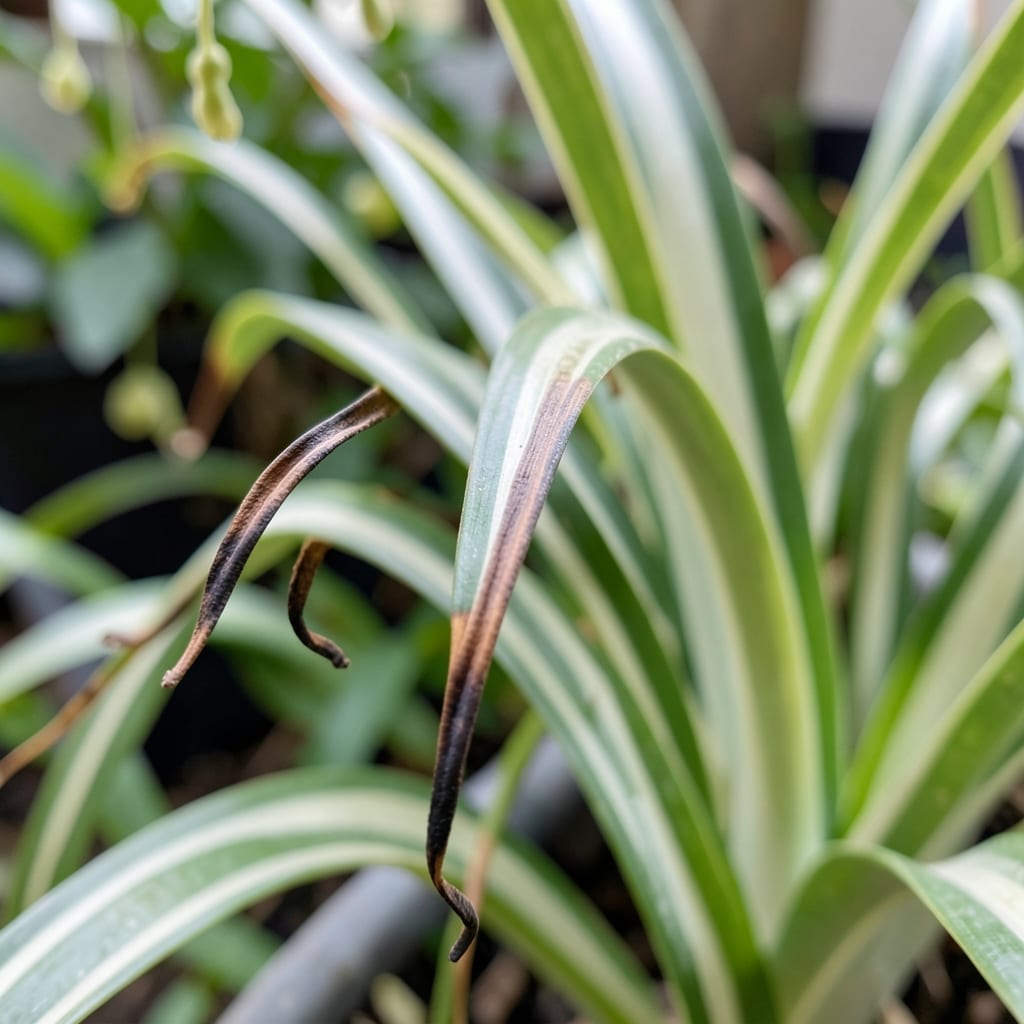
Those crispy brown tips on your spider plant aren’t permanent. I’ve nursed dozens back to healthy green with just a few adjustments to their care routine.
The problem usually starts with something simple: tap water with fluoride, dry indoor air, or a fertilizer habit that’s too enthusiastic. Each of these stresses the plant, but the fixes are easier than you’d think.
You’ll see new growth replacing the damaged tips within weeks. The key is consistency—small changes to water, humidity, and feeding make all the difference.
Works for any spider plant variety, whether it’s hanging in a sunny window or perched on a shelf. Here’s what to change first.
Spider plants develop burnt tips due to a few common environmental and care-related stressors. Here’s a breakdown of the most likely culprits:
Excess water suffocates the roots, preventing oxygen uptake and leading to root rot. When roots decay, they can’t absorb nutrients properly, causing the tips of the leaves to turn brown and crispy. Spider plants thrive in well-draining soil—soggy conditions are a death sentence for their delicate roots.
Tap water often contains fluoride or chlorine, which spider plants are particularly sensitive to. These chemicals accumulate in the soil over time, burning the leaf tips as the plant absorbs them. Distilled, rainwater, or filtered water are safer alternatives for watering.
While spider plants enjoy bright, indirect light, direct sunlight can scorch their leaves, especially the tender tips. High temperatures or close proximity to heat sources (like radiators) can also dehydrate the foliage, leading to brown, crispy edges.
Too much fertilizer—especially high-salt formulas—can cause a buildup of minerals in the soil. This leads to fertilizer burn, where the roots absorb excessive salts, damaging the plant’s ability to take up water. The result? Burnt tips and yellowing leaves.
Spider plants are tropical natives and prefer moderate to high humidity. Dry air (common in heated or air-conditioned homes) draws moisture from the leaves, causing the tips to dry out and brown. Grouping plants or using a humidifier can help combat this.
Revive your spider plant with these targeted fixes for brown, crispy tips. Address the root cause, and your plant will bounce back with lush, healthy foliage.
If soggy soil is the culprit, let the top 1-2 inches of soil dry out between waterings. Repot your plant in fresh, well-draining potting mix if the roots are waterlogged or rotting. Use a pot with drainage holes to prevent future issues. Pro tip 💡: Stick your finger in the soil—if it feels damp, wait to water.
Move your spider plant to a spot with bright, indirect light, such as near a north- or east-facing window. If only harsh light is available, use a sheer curtain to filter the rays. Trim the burnt tips with clean scissors to encourage new growth. Pro tip 🌡️: Rotate the plant occasionally for even light exposure.
Spider plants thrive in moderate humidity. Mist the leaves regularly or place the pot on a tray filled with pebbles and water to create a humid microclimate. Grouping plants together also helps raise humidity naturally. Pro tip ✨: Avoid misting if your plant is in direct sunlight to prevent leaf burn.
If excess fertilizer is the issue, flush the soil with water to remove built-up salts. Run water through the pot for 2-3 minutes, letting it drain freely. Reduce fertilizing to once every 2-3 months during the growing season, using a balanced, diluted houseplant fertilizer. Pro tip 🎯: Always water before fertilizing to prevent root burn.
Chlorine and fluoride in tap water can cause tip burn over time. Switch to filtered, distilled, or rainwater for watering. If tap water is your only option, let it sit out overnight to allow chemicals to evaporate before using. Pro tip 💧: Collect rainwater in a clean container for an eco-friendly solution.
Prevention tip: Regularly inspect your spider plant for early signs of stress, such as yellowing or curling leaves, to address issues before they escalate. A little attention goes a long way in keeping your plant thriving!
Yes, trim them with clean scissors to help the plant focus on new growth. Cut along the leaf’s natural shape to maintain appearance.
Water when the top 1-2 inches of soil feel dry. Typically every 1-2 weeks, but adjust based on your home’s humidity.
Yes, letting tap water sit overnight helps chlorine evaporate, but fluoride remains. For best results, use filtered or distilled water.
No, once tips are brown and crispy, they won’t recover. New growth will be healthy if you address the underlying issue.