
Beautiful Plants For Your Interior
Beautiful Plants For Your Interior
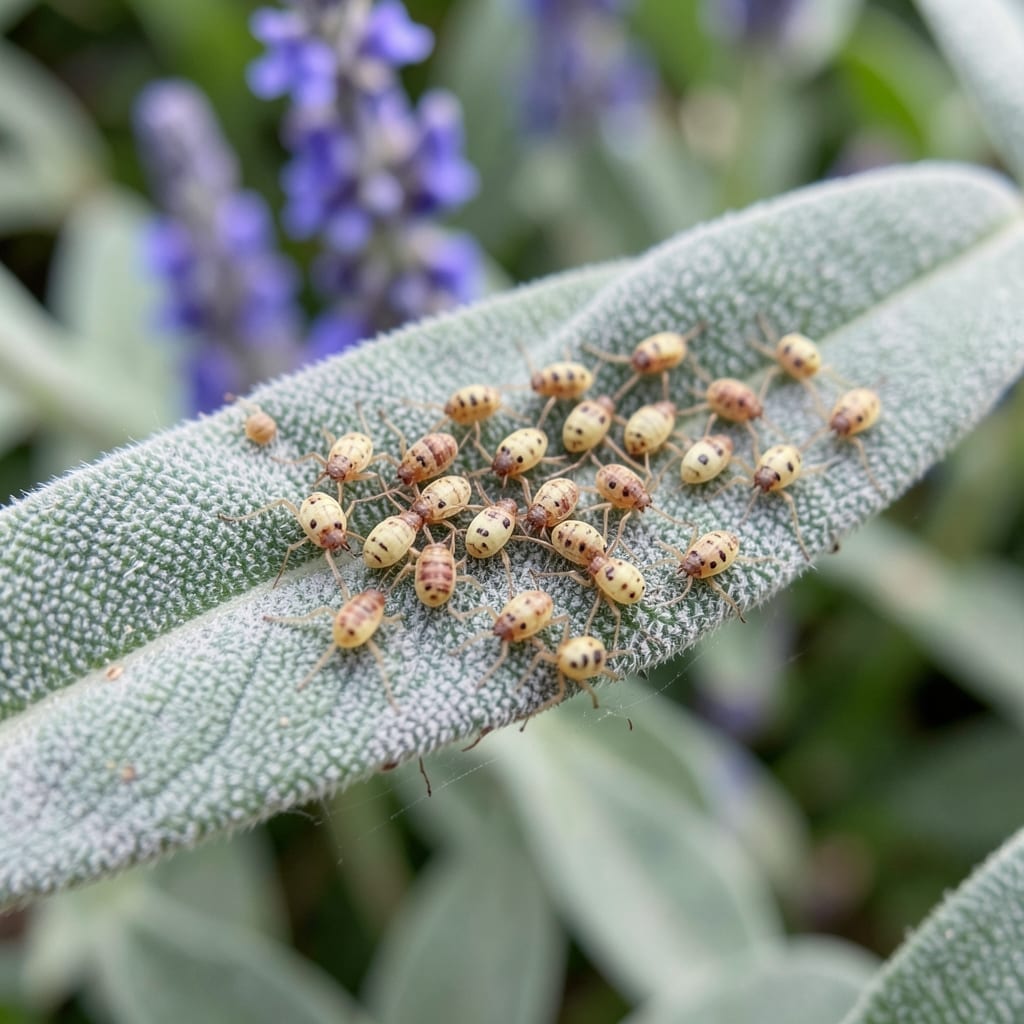
Tiny webs on your sage mean trouble. I spotted them last summer on my rosemary first—those barely visible strands weaving between leaves, then the speckled yellowing that follows.
Here’s the thing—spider mites thrive in dry, dusty conditions, and sage’s fuzzy leaves give them perfect hiding spots. They’re sneaky, multiplying fast before you notice the damage.
Left unchecked, they’ll drain your plants, leaving them weak and stunted. But catch them early with the right organic approach, and your sage bounces back healthier than before.
I’ve tested every method, from blasting them off with water to introducing predator mites. The solution’s simpler than you’d think.
Spider mites thrive on sage plants due to a combination of environmental and cultural factors. Understanding these triggers helps you prevent outbreaks before they start.
Spider mites love hot, arid conditions. Sage plants exposed to prolonged temperatures above 80°F (27°C) with low humidity (below 50%) create an ideal breeding ground. These mites reproduce rapidly in such climates, often completing a life cycle in 5–7 days. Without adequate moisture, sage’s natural defenses weaken, making it more susceptible.
Watering from above can inadvertently wash away predatory mites (like Phytoseiulus persimilis) that keep spider mites in check. Additionally, dry foliage from inconsistent watering stresses the plant, reducing its ability to resist pests. Drip irrigation or soaker hoses are better alternatives to maintain soil moisture without disrupting beneficial insects.
Dense plantings or crowded garden beds restrict airflow, creating stagnant pockets where spider mites flourish. Sage grown in tight spaces or against walls is especially vulnerable. Prune regularly to improve ventilation and reduce hiding spots for mites. A gentle breeze from proper spacing can deter their settlement.
Over-fertilizing sage with high-nitrogen feeds promotes lush, soft growth—exactly the kind spider mites favor. Sage prefers lean, well-draining soil. Switch to a balanced, low-nitrogen fertilizer (e.g., 5-5-5) and incorporate compost to strengthen plant resilience naturally.
Spider mites can quickly overwhelm sage plants, but these targeted solutions will help you reclaim healthy foliage. Act fast to prevent lasting damage.
For early signs of webbing or stippling, use a neem oil or insecticidal soap spray. Mix 1 tablespoon of mild liquid soap with 1 quart of water, or follow neem oil label instructions. Spray thoroughly on both sides of leaves, focusing on undersides where mites hide. Reapply every 5–7 days until mites are gone.
Pro tip 💡: Apply sprays in the early morning or late evening to avoid leaf burn from sun exposure.
If webbing is heavy, prune the most affected stems and leaves—do not compost them (mites can survive). Bag and dispose of the debris in the trash. Isolate the plant to prevent mites from spreading to nearby herbs. Follow up with a spray treatment to catch any remaining pests.
Pro tip 🌡️: Keep sage well-watered (but not soggy) to deter mite activity.
Look for fine webbing between leaves and tiny yellow or brown spots on foliage. Check leaf undersides with a magnifying glass for the tiny red or yellow mites themselves.
Yes! Consistent moisture discourages mites, but avoid wetting foliage. Use drip irrigation to keep soil moist while keeping leaves dry.
A 1 tablespoon dish soap per 1 quart water spray works well. Apply every 5-7 days until gone, focusing on leaf undersides.
Prune affected areas and dispose in sealed bags—never compost. This prevents mites from spreading to healthy parts.