
Beautiful Plants For Your Interior
Beautiful Plants For Your Interior
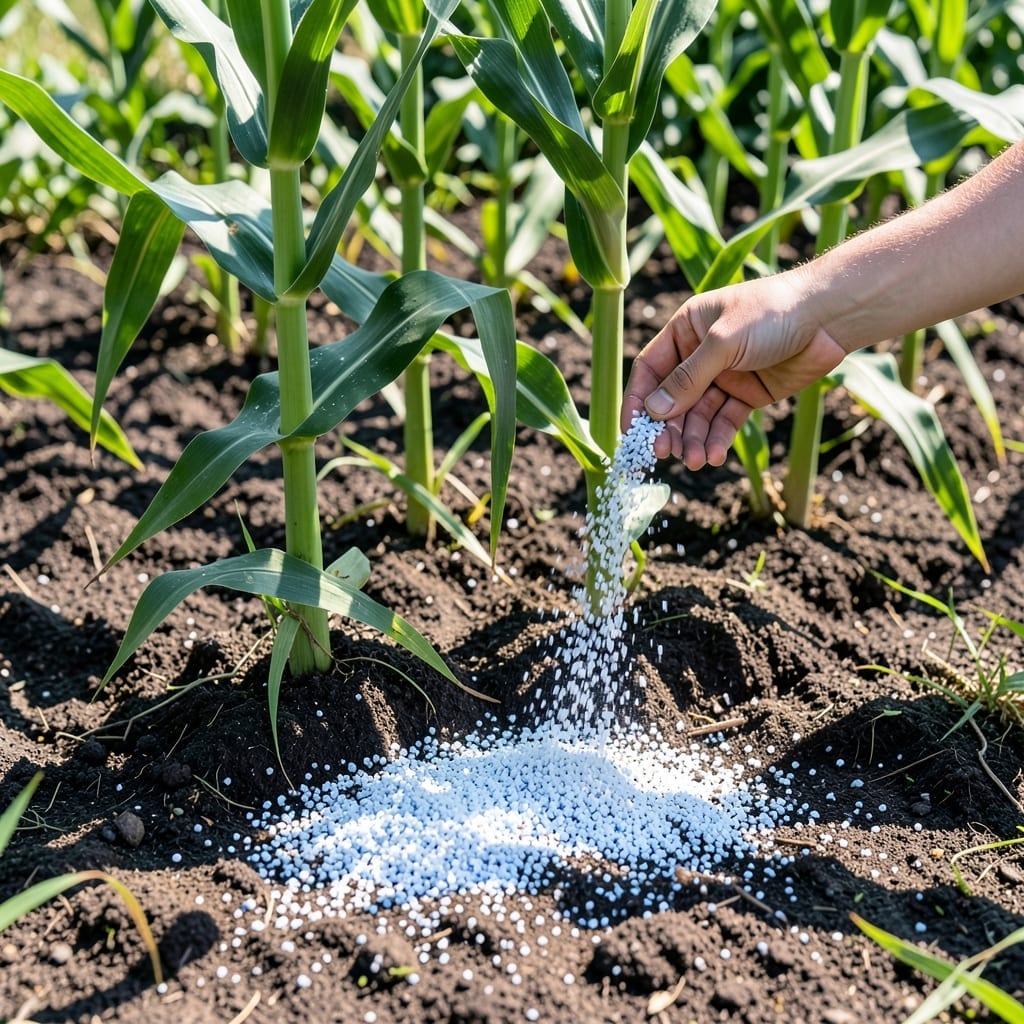
Healthy soil is the foundation of a thriving garden, and nitrogen is the key ingredient that fuels lush, green growth. Without enough nitrogen, your 🌱 General Soil struggles to develop strong stems and vibrant leaves.
I’ve seen firsthand how the right balance transforms a lackluster plot into a flourishing oasis. Whether you’re a seasoned gardener or just starting out, understanding nitrogen’s role can make all the difference.
In this guide, I’ll walk you through how to use nitrogen fertilizer effectively. You’ll discover practical tips for application and learn to spot common mistakes before they harm your soil.
By the end, you’ll have the knowledge to give your plants the best possible start. Let’s get your garden growing stronger than ever before.
Choosing the right nitrogen fertilizer can transform your garden. I’ve seen firsthand how the right type boosts leafy green growth and vibrant blooms in just weeks.
From organic options like compost to synthetic choices like urea, each type has unique strengths for different soil conditions and plant needs.
| Type | Source | Best For | Release Speed | Duration |
|---|---|---|---|---|
| Urea | Synthetic | Lawns, Fast Growth | Quick | 4-6 weeks |
| Blood Meal | Organic | Vegetables, Flowers | Fast | 3-4 weeks |
| Compost | Organic | All Plants, Soil Health | Slow | Months |
| Ammonium Sulfate | Synthetic | Acid-Loving Plants | Fast | 2-3 weeks |
| Manure | Organic | General Use, Soil Amendment | Slow | Months |
I always recommend organic nitrogen sources like compost or manure for long-term soil health. They improve soil structure while feeding plants.
Blood meal is my go-to for a quick nitrogen boost, especially for leafy greens like lettuce and spinach. It’s highly concentrated, so a little goes a long way.
For lawns and grass, urea works wonders. It’s fast-acting and perfect for reviving yellowing turf in just a few applications.
Ammonium sulfate is ideal for acid-loving plants like blueberries and azaleas. It lowers soil pH while delivering essential nitrogen for vibrant growth.
If you’re unsure, start with compost. It’s gentle, versatile, and improves soil fertility over time without risk of over-fertilizing.
Remember, more isn’t always better. Overusing synthetic fertilizers can lead to nutrient runoff and soil depletion over time.
Applying nitrogen fertilizer correctly ensures your plants get the nutrient boost they need without harm. I always start by testing my soil to understand its current nitrogen levels before adding anything.
Timing matters too. Early spring or fall is ideal for most applications, as plants are actively growing. Avoid applying during peak summer heat, which can stress plants and waste fertilizer.
For broadcasting, I spread granular fertilizer evenly over the soil surface, then lightly rake it in. This works well for lawns or large garden beds. For precise feeding, I use side-dressing around plant bases.
Liquid fertilizers are great for quick absorption, especially for container plants or foliar feeding. I dilute them as directed and apply with a watering can or sprayer, ensuring even coverage.
A common mistake is over-fertilizing, which can burn plants and pollute waterways. I stick to the recommended dosage and apply every 4-6 weeks during the growing season.
Finally, always water thoroughly after applying nitrogen fertilizer. This helps dissolve the nutrients and move them into the root zone where plants can use them most effectively. 🌱