
Beautiful Plants For Your Interior
Beautiful Plants For Your Interior
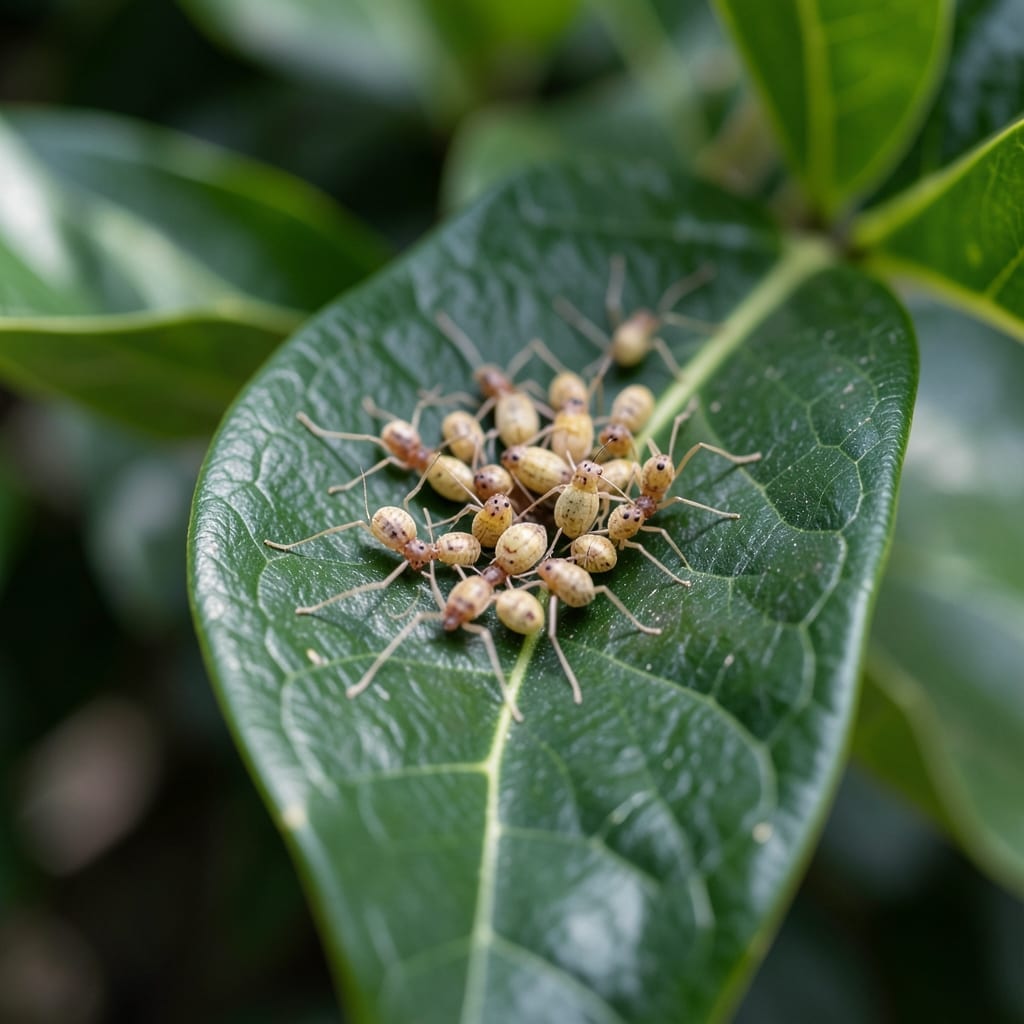
Tiny webs on your fiddle leaf fig mean trouble. I spotted my first spider mite infestation last summer—those pests multiply fast, turning glossy leaves into speckled, yellowing messes in weeks.
Here’s the thing—they thrive in dry conditions, so your cozy living room might be their ideal breeding ground. Catching them early saves your plant, but even advanced cases can be reversed with the right approach.
You’ll need to isolate the plant immediately, then choose between natural sprays or targeted treatments. The key is consistency—miss one generation and they’ll bounce right back.
Prevention is simpler than you think: regular leaf inspections, a humidity boost, and keeping new plants quarantined. This works for any indoor collection, not just fiddle leaf figs.
Spider mites thrive on fiddle leaf figs due to a few key environmental and care-related factors. Understanding these causes helps you prevent and address outbreaks effectively.
Spider mites prosper in dry air (below 40% humidity). Fiddle leaf figs, native to tropical climates, suffer when indoor humidity drops—common in winter or air-conditioned spaces. Their thin webbing (a telltale sign) forms faster in arid environments, as mites reproduce rapidly without moisture to hinder them.
Inconsistent watering weakens your plant’s defenses. Overwatering leads to root rot, reducing the plant’s ability to fend off pests. Underwatering causes dry, stressed leaves—an open invitation for mites, which target weakened foliage. Aim for balanced soil moisture (top 1-2 inches dry between waterings).
Stagnant air traps mites on leaves. Fiddle leaf figs in crowded spaces or corners with no airflow become breeding grounds. Gentle air movement (e.g., a ceiling fan on low) disrupts mite colonization without harming the plant.
Mites often hitchhike on new plants or contaminated tools. Failing to quarantine new additions or inspect leaves (especially undersides) allows infestations to spread unnoticed. Weekly leaf checks with a magnifying glass catch early signs like tiny dots or webbing.
Spotting spider mites on your fiddle leaf fig can feel alarming, but don’t panic—here’s how to tackle it head-on with simple, effective solutions.
If you catch the mites early, start by wiping down leaves with a damp, soapy cloth (use mild castile soap). This removes adults and eggs. Follow up with a neem oil spray (1 tsp neem oil + 1 tsp dish soap + 1 quart water) applied weekly for 3–4 weeks. Pro tip 💡: Always spray in the evening to avoid leaf burn from sunlight.
For heavy outbreaks, isolate your plant immediately to prevent spreading. Use a mite-specific insecticide like spinosad or pyrethrin, following label instructions. Repeat every 5–7 days to break the life cycle. ✨ Bonus: Increase humidity with a pebble tray or humidifier—mites thrive in dry air.
Stop mites before they start with these habits:
🎯 Remember: Consistency is key. Even after mites vanish, keep up preventive care to protect your plant long-term.
Check for tiny red or brown dots on leaf undersides and fine webbing between leaves. Yellow or bronze speckling on foliage is another clear sign.
Yes! A soapy water wipe-down or neem oil spray works for mild cases. Mix 1 tsp dish soap per quart of water for a safe, effective spray.
Mites return due to dry air or missed eggs. Boost humidity to 50%+ and repeat treatments every 5-7 days to break their life cycle.
Often, yes! Isolate the plant, remove heavily infested leaves, and treat consistently. Most recover with proper care and patience.