
Beautiful Plants For Your Interior
Beautiful Plants For Your Interior
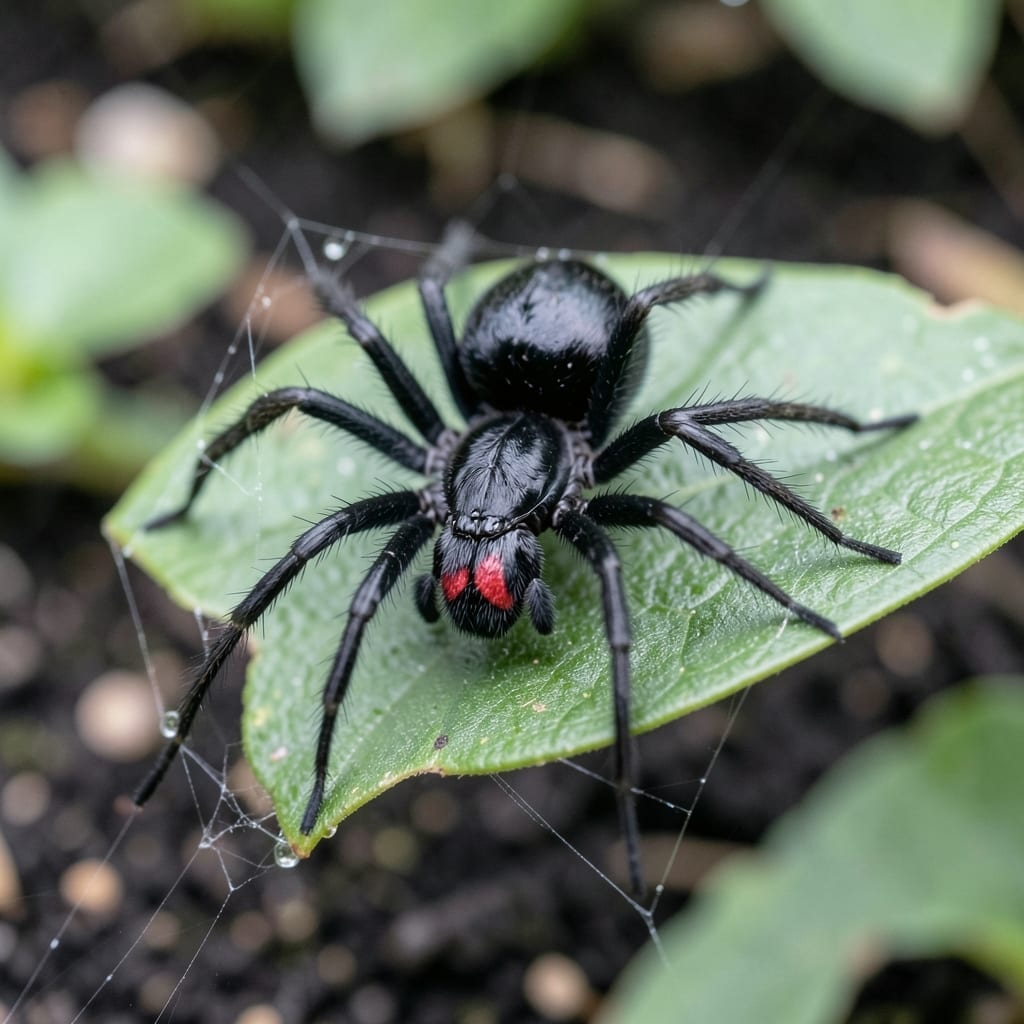
I spotted my first black widow under the back porch last summer. That distinctive red hourglass on its underside made my stomach drop. These spiders love quiet, undisturbed spaces like woodpiles, sheds, and dark corners.
Here’s the thing—they’re not aggressive, but their venom packs a punch. I’ve learned that identification is your first line of defense. Look for the shiny black body, long legs, and that telltale marking.
Safe removal starts with reducing clutter where they can hide. A thorough cleanup and some strategic trapping can make a huge difference without chemicals. I tackle this in early spring before they become a bigger problem.
Between you and me, prevention is easier than dealing with a full infestation. Regular checks and a few simple habits keep them from settling in.
Black widow spiders thrive in specific conditions, and understanding these triggers can help prevent an infestation. Below are the most common causes:
Black widows prefer undisturbed, sheltered areas like basements, garages, and woodpiles. Clutter provides hiding spots and reduces human interference, making these spaces ideal for nesting. Cardboard boxes, stored items, and dense vegetation also create perfect habitats.
These spiders favor warm (70–80°F) and dry climates, which accelerate their reproduction. Outdoor sheds, attics, and crawl spaces often meet these conditions, especially in regions with mild winters. Poor ventilation can further encourage their presence.
Black widows feed on insects like flies, beetles, and other spiders. High insect activity (e.g., near outdoor lights or compost bins) attracts them. Reducing other pests can indirectly deter black widows from settling in.
Cracks in foundations, gaps under doors, or torn screens offer easy access indoors. Sealing entry points and repairing damaged screens can block their entry. Firewood stored against the house or unsealed vents are also common access routes.
Tall grass, ivy, and dense shrubbery provide natural camouflage and shelter. Regularly trimming plants and removing leaf litter reduces their outdoor harborage options.
Dealing with a black widow spider infestation requires a mix of immediate action and long-term prevention. Below are targeted solutions for common causes, along with practical prevention tips to keep your home safe.
Black widows love hiding in dark, undisturbed spaces like basements, garages, and sheds. Start by removing piles of wood, boxes, or unused items where they might nest. Vacuum corners, under furniture, and storage areas thoroughly to eliminate egg sacs and spiders. Seal cracks and gaps in walls or foundations with caulk to block entry points.
Outdoor clutter, such as leaf litter, firewood stacks, or tall grass, provides ideal habitats for black widows. Keep your yard tidy by raking leaves, trimming bushes, and storing firewood at least 20 feet away from your home. Use outdoor insecticides labeled for spiders in problem areas, and consider installing yellow outdoor lights, which are less attractive to insects (and thus spiders).
Black widows can sneak into your home through tiny openings. Inspect windows, doors, vents, and utility lines for gaps, and seal them with weather stripping or mesh screens. Install door sweeps to close gaps under exterior doors, and repair any torn screens on windows or vents.
By addressing these key areas, you can effectively reduce and prevent black widow spider activity in and around your home.
Look for messy, irregular webs in dark corners, under eaves, or in garages. Their webs lack the symmetrical patterns of common house spiders.
Yes, they seek shelter, not filth. Even well-kept homes can have them in basements, attics, or storage areas with minimal disturbance.
Don’t panic. Use a vacuum with a long hose to capture it and dispose of the bag immediately. Avoid bare hands.
Peppermint oil or vinegar sprays can deter them but require weekly reapplication. For severe cases, professional treatments are more reliable.