
Beautiful Plants For Your Interior
Beautiful Plants For Your Interior
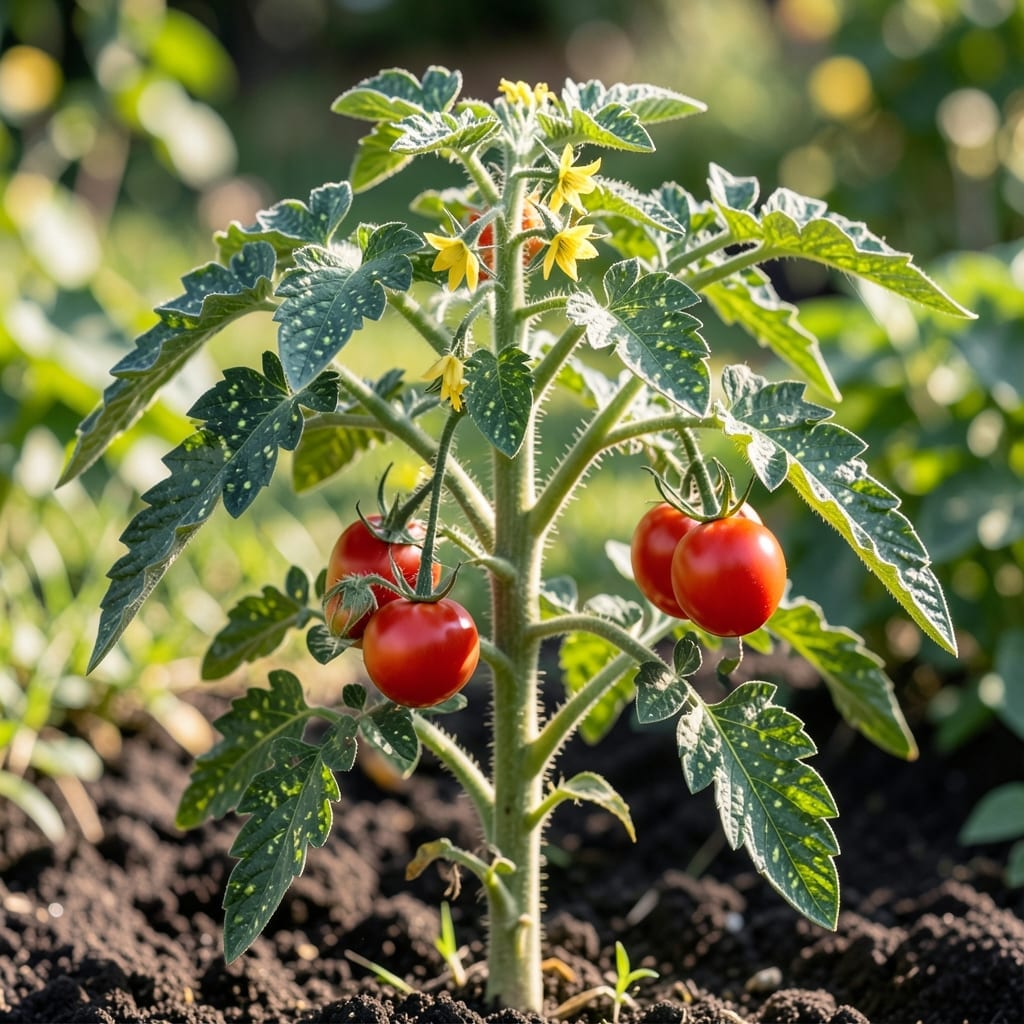
Those tiny spots on your tomato leaves aren’t just unsightly—they’re a warning sign. I’ve seen speckled leaves turn into full-blown plant crises in 48 hours if ignored.
Fungal infections, hungry pests, or nutrient shortages often show up first as speckles. The pattern and color tell you exactly what’s wrong, but you need to know what to look for.
Organic fixes work fast when you catch it early. I’ve saved plants with simple neem oil sprays and compost tea boosts that restore health within a week.
Prevention starts with airflow and proper watering. This season, keep an eye out for the first speck and stop problems before they spread.
Speckled tomato leaves often signal underlying issues that disrupt the plant’s health. Below are the most common causes, explained with actionable insights.
Fungi like Septoria lycopersici or Alternaria solani thrive in warm, humid conditions. They produce spores that land on leaves, creating small, dark speckles with yellow halos. These pathogens spread rapidly via water splashes or contaminated tools. Prevent spread by removing infected leaves and improving airflow.
Insects such as aphids, whiteflies, or spider mites pierce leaf tissues to feed, leaving behind tiny speckled wounds. Their saliva can also transmit viruses, causing secondary speckling. Check leaf undersides for pests and use neem oil or insecticidal soap for organic control.
Overwatering or poor drainage can lead to nutrient imbalances, manifesting as speckled or mottled leaves. Similarly, calcium or magnesium deficiencies (often due to pH imbalances) disrupt chlorophyll production, causing irregular spotting. Test soil pH and amend with compost or lime as needed.
Excessive fertilizer, particularly manganese or boron, can cause leaf speckling. These micronutrients, while essential in trace amounts, become toxic at high levels, leading to stippling or necrosis. Flush the soil with water to reduce salt buildup and adjust fertilization rates.
Addressing speckled tomato leaves starts with identifying the root cause. Below are targeted solutions for common issues, paired with prevention tips to keep your plants thriving.
Fix: Remove affected leaves immediately to prevent spread. Apply copper-based fungicides or a homemade mix of baking soda (1 tbsp), water (1 gallon), and a drop of dish soap as a spray. Treat every 7–10 days until symptoms disappear.
Prevention: Improve airflow by pruning dense foliage. Water at the base to avoid wetting leaves, and use drip irrigation. 💡 Pro tip: Space plants 2–3 feet apart for better ventilation.
Fix: Blast aphids or spider mites off leaves with a strong stream of water. For severe cases, use neem oil or insecticidal soap, applying in the early morning or late evening. Repeat every 4–5 days until pests are gone.
Prevention: Introduce beneficial insects like ladybugs or lacewings. Keep the garden free of debris where pests breed. ✨ Pro tip: Companion plant with basil or marigolds to repel pests naturally.
Fix: Test soil with a kit to confirm deficiencies. For magnesium, add Epsom salt (1 tbsp per gallon of water) as a foliar spray. For calcium, crush eggshells into the soil or use a calcium-rich fertilizer.
Prevention: Enrich soil with compost before planting. Use a balanced, slow-release fertilizer during the growing season. 🎯 Pro tip: Rotate crops yearly to prevent soil depletion.
Fix: Shield plants from extreme heat with shade cloth or move potted tomatoes to a cooler spot. For cold stress, use row covers or mulch heavily to retain warmth.
Prevention: Plant heat-tolerant varieties if you live in a hot climate. Ensure consistent watering—aim for 1–2 inches per week. 🌡️ Pro tip: Use a soil thermometer to monitor root zone temperatures (ideal: 65–80°F).
Yes, if caused by fungal spores or pests. Remove affected leaves immediately and isolate the plant if possible. Always sterilize pruning tools between plants to prevent transmission.
With proper treatment, mild cases often improve within 7-10 days. Severe infections or nutrient deficiencies may take 2-3 weeks to fully resolve. Consistency in care is key.
Not always. Minor speckling from environmental stress often resolves on its own. However, spreading spots or yellowing usually indicate a more serious issue requiring intervention.
Remove only severely affected leaves to avoid stressing the plant. If less than 30% of the leaf is speckled, monitor closely before pruning. Always use clean, sharp scissors.