
Beautiful Plants For Your Interior
Beautiful Plants For Your Interior
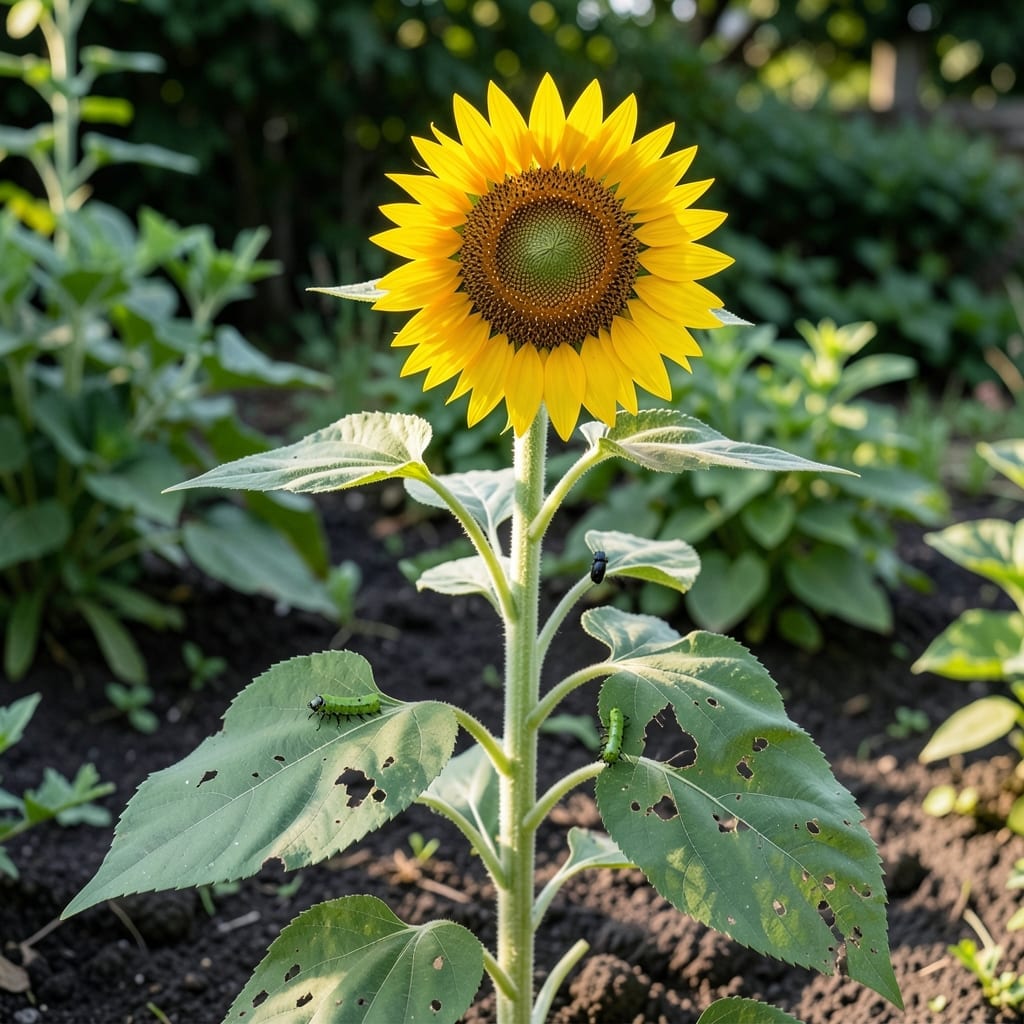
Nothing ruins summer mornings like finding your sunflowers stripped overnight. I lost an entire row to mysterious leaf-munchers last July before figuring out the pattern.
Caterpillars, beetles, and even rabbits have different tells—chewed edges versus skeletal leaves versus clean cuts. The solution starts with identifying the culprit, then matching it to the right organic defense.
Neem oil, row covers, or even a well-placed fence can turn the tide. My sunflowers now stand tall with barely a nibble, and the pollinators keep coming back.
Works for backyard patches or container sunflowers on a patio. Here’s how to protect every leaf.
Sunflower leaves are a prime target for several pests and environmental factors. Understanding the root causes helps you address the issue effectively.
Common culprits include caterpillars (like sunflower moth larvae), beetles (such as the sunflower beetle), and aphids. These insects feed on the foliage, leaving behind ragged edges, holes, or skeletonized leaves. Caterpillars, in particular, can defoliate young plants quickly if left unchecked.
Deer, rabbits, and squirrels often nibble on sunflower leaves, especially in rural or suburban gardens. Their feeding patterns are distinct—deer leave torn edges, while rabbits create clean cuts. Squirrels may chew leaves while climbing the stalk.
Diseases like downy mildew or alternaria leaf spot can cause discoloration, spots, or premature leaf drop. While these don’t involve “eating” in the traditional sense, the damage can mimic pest activity. Poor air circulation and excess moisture worsen these issues.
Extreme heat, drought, or nutrient deficiencies (e.g., nitrogen or potassium) may cause leaves to yellow, brown, or curl. Weakened plants become more susceptible to pests. Ensure consistent watering and soil testing to rule out deficiencies.
If you’ve spotted something eating your sunflower leaves, act fast to protect your plants. Below are targeted solutions for common culprits, along with prevention tips to keep your garden thriving.
These tiny invaders can skeletonize leaves overnight. Fix: Spray leaves with a neem oil solution (1 tbsp oil + 1 tsp dish soap per gallon of water) or introduce ladybugs, their natural predators. For severe infestations, pick off beetles by hand and drop them in soapy water.
Prevent: Plant companion herbs like basil or mint nearby to repel pests. Inspect leaves weekly for early signs.
These slimy pests leave irregular holes and silvery trails. Fix: Set up beer traps (bury a shallow dish filled with beer at soil level) or sprinkle diatomaceous earth around the base of plants. Copper tape around pots also deters them.
Prevent: Water in the morning so soil dries by evening (slugs prefer damp conditions). Remove hiding spots like debris or mulch near stems.
Large, jagged bites? Bigger pests are likely. Fix: Install 8-foot-tall fencing for deer or chicken wire cloches for rabbits. Spray leaves with hot pepper wax or commercial repellents (reapply after rain).
Prevent: Plant deer-resistant species like marigolds or lavender as a border. Motion-activated sprinklers can also startle them away.
Healthy plants resist pests better! Strengthen sunflowers with balanced fertilizer (10-10-10) and ensure they get 6–8 hours of sunlight daily. Remove damaged leaves promptly to discourage further munching.
Look for patterns in the damage. Jagged edges often mean deer, while clean cuts signal rabbits. Tiny holes or skeletonized leaves usually indicate beetles or caterpillars.
Handpick beetles and caterpillars at dusk when they’re most active. Use a neem oil spray or introduce beneficial insects like ladybugs to control aphids naturally.
Yes! Install floating row covers early in the season to block pests. Plant companion herbs like basil or mint to repel insects.
Yellowing with holes could mean a nutrient deficiency combined with pest activity. Test soil for nitrogen or potassium and treat with organic fertilizer while addressing the pest issue.