
Beautiful Plants For Your Interior
Beautiful Plants For Your Interior
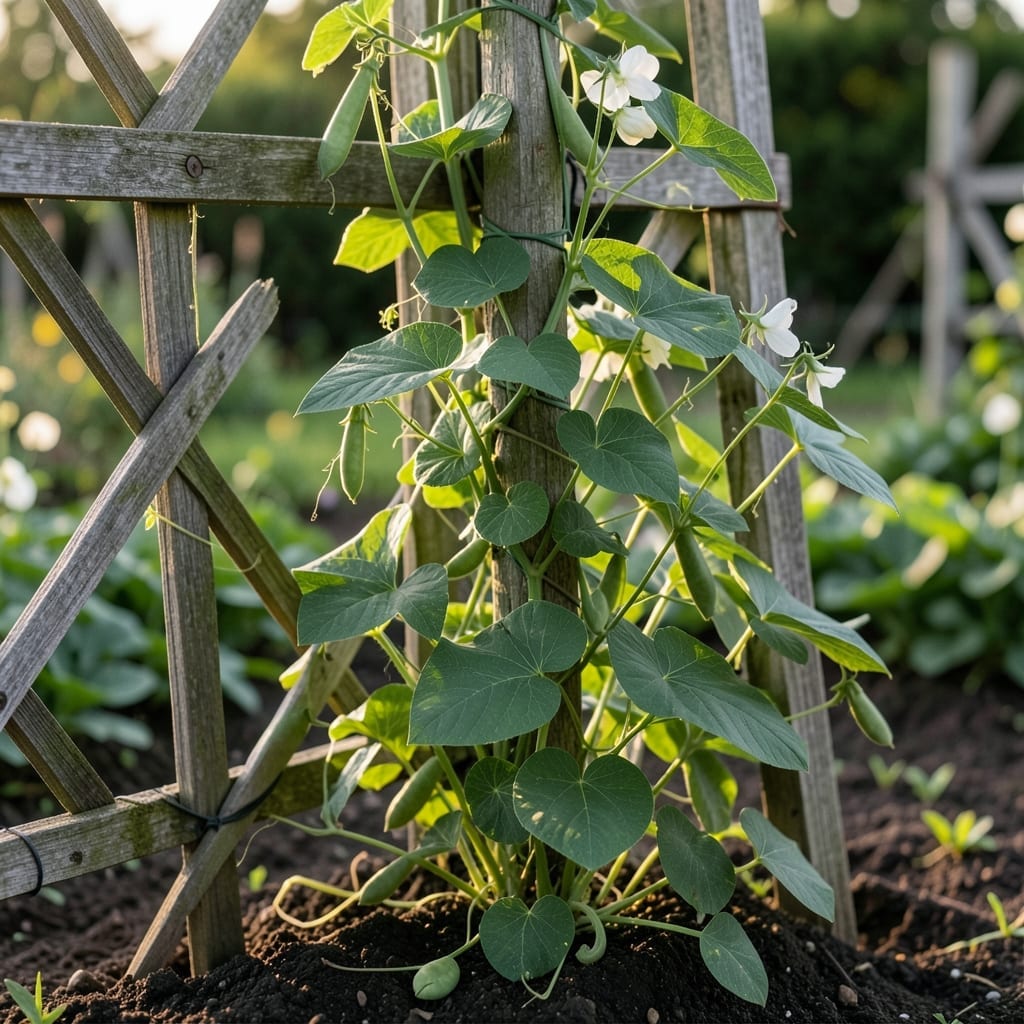
White as snow, sweet as summer. This peach variety delivers crisp fruit with a delicate flavor that’s hard to find in stores. I planted mine three years ago, and it’s already the centerpiece of my backyard.
It thrives in full sun with well-drained soil, and the blossoms in spring are breathtaking. With basic pruning and care, you’ll get reliable harvests that taste even better than they look.
📚 In This Guide
Here’s my field-tested approach to coaxing perfect fruit from these elegant trees every season.
Choose a location with full sun exposure—at least 6-8 hours of direct light daily. Snow White peaches thrive in well-draining soil with a pH between 6.0 and 7.0. Avoid low-lying areas where cold air settles, as frost pockets can damage blossoms.
Test drainage by digging a 1-foot deep hole and filling it with water. If it drains within an hour, the site is suitable. If water lingers, amend the soil with compost or choose a raised bed. I’ve learned the hard way that soggy roots are a death sentence for these trees.
Dig a hole twice as wide as the root ball but no deeper. Place the tree in the hole, ensuring the graft union (the visible bump near the base) sits 2-3 inches above the soil line. Backfill with native soil, gently tamping to remove air pockets.
Water thoroughly after planting to settle the soil. I always add a 3-4 inch layer of mulch around the base, keeping it 6 inches away from the trunk to prevent rot. Young trees need consistent moisture, so check the soil weekly—it should feel like a wrung-out sponge.
For the first year, focus on establishing strong roots. Water deeply once a week, more often during dry spells. Young trees benefit from a balanced fertilizer applied in early spring, but avoid overdoing it—too much nitrogen leads to leafy growth at the expense of fruit.
Prune only to remove dead or crossing branches during the first season. Snow White peaches are self-fertile, but I’ve found that planting a second tree nearby can improve pollination and yield. Watch for signs of stress like wilting or yellowing leaves—this usually means the tree needs more water or nutrients.
In late winter, before buds swell, prune to open the canopy. Remove any branches growing inward, rubbing together, or crossing. Aim for a vase-like shape to allow sunlight and air to reach the center. This prevents disease and encourages even ripening.
Thin fruit in early summer when peaches are about 1 inch in diameter. Leave 6-8 inches between each fruit to ensure proper size and sweetness. It feels counterintuitive to remove perfectly good peaches, but I promise the remaining ones will be larger and tastier. Unthinned branches can snap under the weight of too much fruit.
Snow White peaches are ready when they give slightly to gentle pressure and have a sweet, fragrant aroma. Unlike some varieties, they don’t ripen well once picked, so timing is everything. Harvest in the morning when temperatures are cooler to preserve freshness.
Use a gentle twist-and-pull motion to detach the fruit. If it doesn’t come off easily, it’s not ready. Store harvested peaches at room temperature until fully ripe, then refrigerate to extend freshness. I’ve found they’re best enjoyed within a week of picking for maximum flavor and texture.
After years of trial and error, I’ve learned these small details make all the difference.
Sunlight Secret: That 6-8 hours of daily sun in Step 1 isn’t just a suggestion—it’s critical. I’ve seen trees in partial shade produce small, bland fruit. If your yard has limited sun, consider planting near a south-facing wall to maximize exposure.
Drainage Test: The 1-foot deep hole test in Step 1 saved me from losing two saplings. If water doesn’t drain within an hour, don’t risk it. Raised beds are your best friend in heavy clay soil. Soggy roots will kill your tree faster than you’d think.
Planting Depth: In Step 2, that 2-3 inches of graft union exposure above soil isn’t arbitrary. Bury it too deep and the tree may never bear fruit. I use a ruler to measure—better safe than sorry with such a precise requirement.
Thinning Discipline: Step 4’s 6-8 inches between fruit sounds excessive until you see the difference. My first year, I left peaches too close and ended up with tiny, mealy fruit. The remaining ones after proper thinning were twice the size with far better flavor.
Snow white peach is often caused by fungal infections like powdery mildew or bacterial spot. Prevent it by ensuring proper airflow, avoiding overhead watering, and applying fungicides or bactericides as a precaution.
Early spring or late fall is ideal for treatment, before buds swell or after leaf drop. This timing helps protect new growth and reduces the risk of infection spreading during active growth periods.
Yes! Use neem oil, sulfur sprays, or copper-based fungicides for organic control. Additionally, removing infected debris and maintaining orchard hygiene can help manage the issue naturally.
Look for white, powdery coatings on leaves or fruit, stunted growth, or leaf curling. In severe cases, fruit may develop white patches or fail to ripen properly. Inspect trees regularly for early signs.