
Beautiful Plants For Your Interior
Beautiful Plants For Your Interior
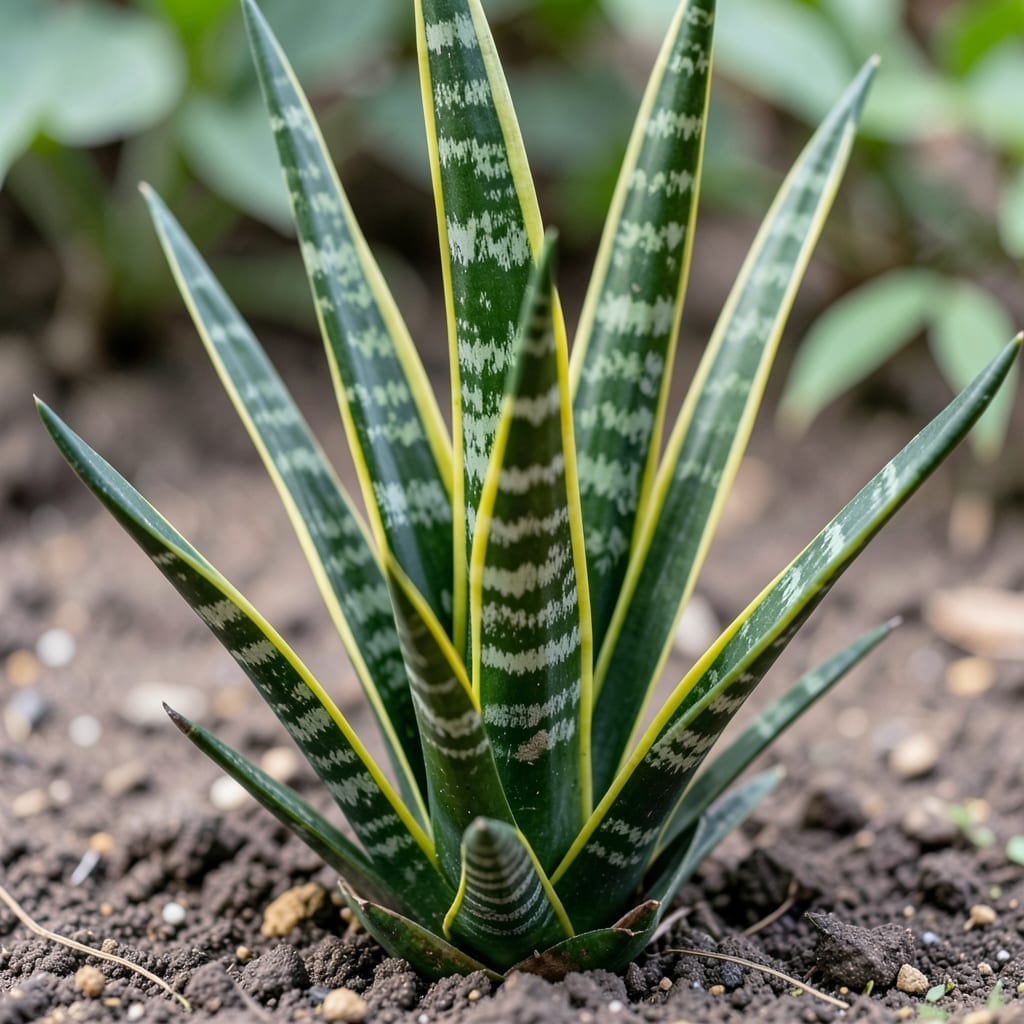
My snake plant sat in the same corner for months, looking exactly the same. Turns out, it wasn’t lazy—it was slowly dying from overwatering and root rot.
I’ve killed more snake plants this way than I care to admit. The signs are subtle at first: yellowing leaves, mushy stems, soil that never dries. Then the growth just stops, and the plant starts fading.
Here’s the fix: pull it from the pot, trim the black roots, and repot in fresh, dry soil. Water only when the soil is bone-dry to the touch, and give it bright, indirect light.
Within 4-6 weeks, you’ll see new growth pushing through. It’s shocking how fast they bounce back once they’re given the right conditions.
If your snake plant seems stuck in place, the issue usually traces back to one of these common culprits. Understanding the why helps you fix it fast!
Root rot is the #1 growth killer for snake plants (Sansevieria). These succulents store water in their thick leaves, so soggy soil suffocates roots and blocks nutrient uptake. Signs: Yellowing leaves, mushy base, or a foul odor from the soil. Action: Let the soil dry completely between waterings, and ensure pots have drainage holes.
While snake plants tolerate low light, prolonged dimness slows photosynthesis, halting growth. They need bright, indirect light (10,000–20,000 lux) for 6+ hours daily to thrive. Action: Move your plant near an east- or west-facing window, or supplement with a grow light.
Snake plants are low-maintenance but still need nitrogen, phosphorus, and potassium to grow. Poor-quality soil or lack of fertilizer leads to weak, stunted leaves. Action: Feed with a balanced, diluted houseplant fertilizer (10-10-10 NPK) every 4–6 weeks during spring/summer.
When roots circle the pot tightly, they can’t access water or nutrients efficiently. Signs: Roots growing out of drainage holes or pushing the plant upward. Action: Repot into a container 1–2 inches larger with fresh, well-draining soil.
Snake plants prefer 70–90°F (21–32°C). Exposure to cold drafts (below 50°F/10°C) or heat sources (like radiators) shocks the plant, stalling growth. Action: Keep your plant in a stable environment, away from AC vents or icy windows.
If your snake plant has stalled, these targeted fixes will get it back on track. Address the root cause first, then adjust care to prevent future issues.
Gently remove the plant from its pot and inspect the roots. Trim any mushy, black, or foul-smelling roots with sterilized scissors. Repot in fresh, well-draining soil (cactus/succulent mix works best) and a pot with drainage holes. Water only when the top 2-3 inches of soil are completely dry.
Prevention: Use a terracotta pot (breathable material) and a moisture meter to avoid guesswork. 💡 Pro tip: Water less in winter—snake plants need very little then.
Move your plant to a spot with bright, indirect light (east or west-facing windows are ideal). If transitioning from low to high light, do it over 1-2 weeks to avoid shocking the plant. Rotate the pot occasionally for even growth.
Prevention: Dust the leaves monthly with a damp cloth so they can absorb light efficiently. ✨
Use a balanced, diluted houseplant fertilizer (10-10-10 or 5-5-5) at half-strength every 4-6 weeks during spring and summer. Avoid fertilizing in fall/winter—this is the plant’s dormant period.
Prevention: Repot every 2-3 years with fresh soil to replenish nutrients naturally. 🌿
Wipe leaves with neem oil or insecticidal soap to eliminate spider mites, mealybugs, or scale. Isolate the plant to prevent pests from spreading. For stubborn infestations, repeat treatment weekly until gone.
Prevention: Inspect new plants before bringing them home and keep leaves clean. 🎯
Keep your snake plant in a room with temperatures between 60-85°F (15-29°C). Avoid drafts from AC, heaters, or open windows. If outdoors, bring it inside if temps drop below 50°F (10°C).
Prevention: Maintain consistent conditions—snake plants dislike sudden changes. 🔥
Water only when the top 2-3 inches of soil are completely dry. In winter, this might mean watering just once every 3-4 weeks. Overwatering is the most common cause of stunted growth.
Regular soil holds too much moisture. Use a cactus or succulent mix for better drainage, or amend potting soil with perlite or sand to prevent root rot.
Yellow leaves often signal overwatering or poor drainage. Check the roots for mushiness and repot if needed. If the soil smells foul, root rot is likely the culprit.
Yes! With fresh soil and proper care, new growth typically appears within 4-6 weeks. Be patient and avoid fertilizing immediately after repotting to prevent stress.