
Beautiful Plants For Your Interior
Beautiful Plants For Your Interior
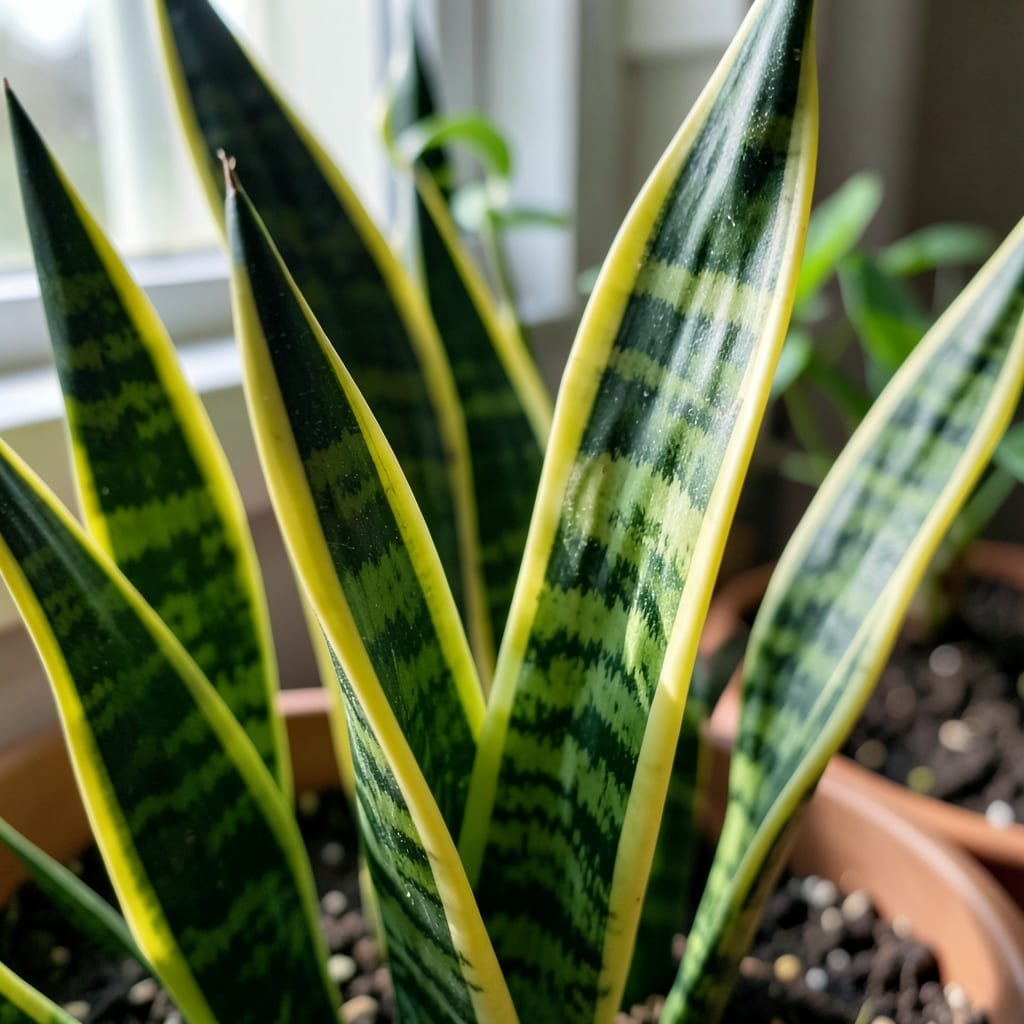
Your snake plant’s leaves shouldn’t look like tacos. I’ve seen this happen to mine—tight, crispy curls that scream something’s wrong with the environment.
Usually it’s overwatering, dry air, or a pest hiding where you can’t see. The good news? These plants are tough. Fix the issue and they bounce back fast, often within 2-3 weeks.
You’ll learn to spot the difference between thirsty leaves and drowned roots, plus the simple tweaks that restore that upright, sword-like shape you love.
Works for any snake plant variety, from tall Sansevieria trifasciata to compact Futura Superba. Let’s straighten things out.
Snake plant leaves curling is often a sign of stress, and several environmental factors can trigger this issue. Below are the most common causes, explained with actionable insights to help you address them.
Underwatering causes the soil to dry out, leading to dehydration. The leaves curl inward to conserve moisture. Conversely, overwatering suffocates the roots, preventing them from absorbing oxygen and nutrients. This leads to root rot, which can also cause curling as the plant struggles to maintain turgor pressure (the pressure of water inside plant cells).
Action: Check the soil moisture by inserting your finger 1-2 inches deep. Water only when the topsoil is dry. Ensure your pot has drainage holes to prevent waterlogging.
Snake plants thrive in temperatures between 70-90°F (21-32°C). Exposure to cold drafts (below 50°F/10°C) or excessive heat (above 95°F/35°C) can stress the plant, causing leaves to curl or wrinkle. Cold damage disrupts cellular function, while heat stress accelerates transpiration, leading to dehydration.
Action: Keep your snake plant away from air conditioners, heaters, or drafty windows. Maintain a stable indoor temperature.
While snake plants tolerate low light, intense direct sunlight can scorch the leaves, causing them to curl and develop brown edges. This happens because the plant loses water faster than it can absorb it, a process known as photoinhibition.
Action: Move the plant to a spot with bright, indirect light. If outdoors, provide shade during peak sunlight hours (10 AM – 4 PM).
Snake plants prefer well-draining, slightly acidic to neutral soil (pH 6.0-7.5). Compacted or nutrient-poor soil restricts root growth and water absorption, leading to curling. A lack of essential nutrients like nitrogen, potassium, or magnesium can also weaken the plant, making it more susceptible to stress.
Action: Repot the plant every 2-3 years using a well-draining cactus or succulent mix. Fertilize lightly with a balanced houseplant fertilizer during the growing season (spring and summer).
Pests like spider mites, mealybugs, or thrips can sap the plant’s nutrients, causing leaves to curl as the plant conserves energy. These pests often thrive in dry conditions and can spread quickly if left unchecked.
Action: Inspect the leaves and stems regularly. Wipe down the plant with a damp cloth or use insecticidal soap to remove pests. Increase humidity to deter spider mites.
Don’t panic—curls can straighten out with the right care. Below are targeted fixes for each common cause, plus ways to keep your snake plant thriving long-term.
If the soil is bone-dry, give your plant a deep drink. Place the pot in a saucer of room-temperature water for 10–15 minutes so the roots can absorb moisture evenly. Let excess water drain completely afterward. Prevention tip: 💡 Stick to a consistent watering schedule—check the top inch of soil; if it’s dry, it’s time to water.
Stop watering immediately and move the plant to a bright, airy spot to speed up drying. If the soil smells sour or roots look mushy, repot in fresh, well-draining soil. Use a terracotta pot to wick away excess moisture. Prevention tip: 🌡️ Always use pots with drainage holes and a gritty cactus mix to avoid soggy soil.
Snake plants love indirect light. Relocate yours near an east- or west-facing window. If natural light is scarce, a grow light for 6–8 hours a day works wonders. Prevention tip: ✨ Rotate the pot every few weeks so all sides get equal light, preventing uneven growth.
Keep your plant away from drafts, heaters, or AC vents. Aim for a steady temperature between 70–90°F (21–32°C). If it’s been exposed to cold, move it indoors and avoid watering until it warms up. Prevention tip: 🎯 Avoid sudden temperature swings—snake plants hate surprises!
For spider mites or mealybugs, wipe leaves with a damp cloth dipped in mild soap solution. For stubborn pests, use neem oil spray. Isolate the plant to prevent spreading. Prevention tip: 🔍 Inspect leaves regularly, especially the undersides, to catch pests early.
With proper care, leaves typically straighten within 2-3 weeks. Severe cases may take longer. Consistency in watering and environment speeds up recovery.
Yes, if the root cause is addressed early. Mild curling often reverses fully. Severely damaged leaves may not straighten but new growth will.
Only remove leaves that are yellow, mushy, or completely dried out. Healthy curled leaves can still recover with proper care.
No, it can also signal temperature stress, pests, or poor light. Check soil moisture first, then inspect for other environmental factors.