
Beautiful Plants For Your Interior
Beautiful Plants For Your Interior
Three years ago, my snake plant was a sad little floor decoration—stubby leaves, no growth, just existing. Now it’s the centerpiece of my living room with 3-foot tall leaves that make visitors ask, “How did you do that?” The secret isn’t complicated: it’s about working with the plant’s natural growth patterns instead of against them. […]
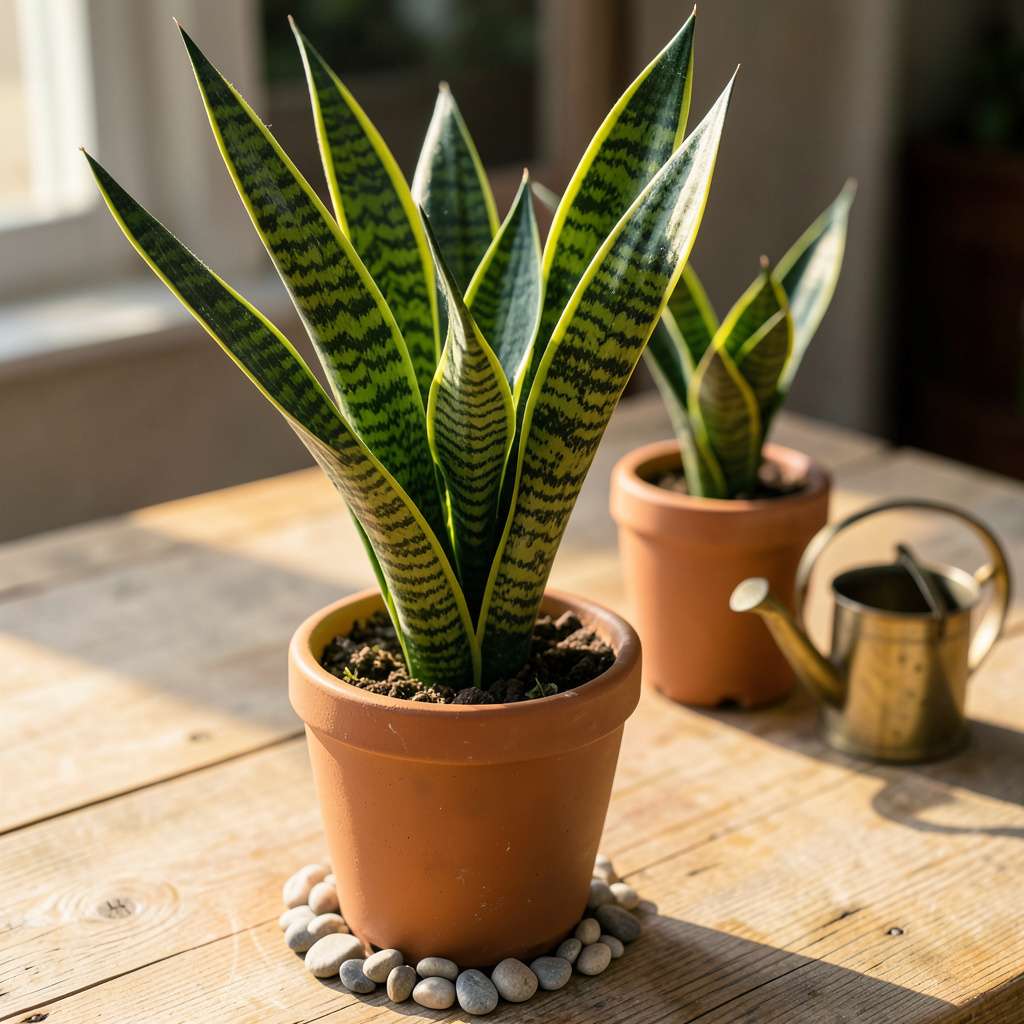
Three years ago, my snake plant was a sad little floor decoration—stubby leaves, no growth, just existing. Now it’s the centerpiece of my living room with 3-foot tall leaves that make visitors ask, “How did you do that?” The secret isn’t complicated: it’s about working with the plant’s natural growth patterns instead of against them.
Most people accidentally stunt their snake plants by overwatering or keeping them in dim corners. I learned the hard way that these plants thrive on neglect—well, strategic neglect. The right light (bright but indirect), the right watering schedule (every 3-4 weeks max), and a pot that’s just snug enough to encourage upward growth make all the difference.
You’ll start seeing new growth within months, with leaves unfurling taller and more vibrant than before. The transformation happens slowly but dramatically—like watching a time-lapse where your plant finally gets the memo that it’s supposed to grow up, not just out. No fancy equipment needed, just consistency and patience.
Whether you’re starting with a 6-inch nursery plant or nursing a neglected one back to health, this approach works. The best part? Once you get it right, snake plants practically take care of themselves—just the way we like our houseplants to behave.
📚 In This Guide
Here’s the method I’ve used to transform compact snake plants into dramatic, floor-to-ceiling specimens.
Select a pot that’s 2-3 inches wider than your current plant with drainage holes—snake plants rot instantly in soggy conditions. I always use unglazed terra cotta because it wicks away excess moisture through the walls. The weight also prevents top-heavy plants from tipping as they grow taller.
Fill the pot with a fast-draining mix: combine 2 parts cactus/succulent soil with 1 part perlite. This mimics their native arid conditions. Pack the soil lightly but leave air pockets for root expansion. You’ll feel the difference—proper mix should crumble slightly when squeezed, not clump.
Place your snake plant where it receives bright, indirect light for 6-8 hours daily. A spot 3-5 feet from an east or west window works perfectly. Too little light causes stunted growth; direct sun scorch the leaves. I rotate my plants quarter turn weekly to prevent leaning toward the light source.
Watch the leaves: Deep green with slight vertical striations means ideal light. Yellowing indicates too much sun; dark green with wide spacing between leaves signals insufficient light. The growth you want appears as new leaves emerging from the center with tight, upright form.
Water only when the soil is completely dry to the touch—about every 3-4 weeks in average conditions. I use the finger test: push my index finger 2 inches deep into the soil. If it feels dry at that depth, it’s time to water. Pour slowly until water runs from the drainage holes, then empty the saucer immediately.
Here’s the thing—overwatering is the #1 killer of snake plants. The leaves will tell you everything: Firm, upright leaves mean perfect hydration. Soft, bending leaves indicate overwatering. Wrinkled leaves mean underwatering. During winter, I cut watering back to every 6-8 weeks as growth slows.
Fertilize only during active growth (spring through early fall) with a balanced liquid fertilizer diluted to half strength. I apply every 6-8 weeks—more frequent feeding causes weak, floppy growth. The right nutrition produces thick, sturdy leaves that can support significant height.
You’ll see the difference in new growth: Properly fed plants produce leaves that are wider at the base and maintain their upright posture as they lengthen. If new leaves appear thin or bend easily, reduce fertilizer. I always water thoroughly before fertilizing to prevent root burn.
As leaves grow taller, use soft plant ties to gently secure them to a bamboo stake if they begin to arch. This trains the plant to grow straight upward. I’ve found that rotating the plant occasionally and providing consistent light prevents the natural tendency to grow toward the light source at an angle.
When leaves reach your desired height (mine regularly hit 4-5 feet), you can propagate the top cuttings to start new plants. Use clean shears to cut just above a leaf node, let the cutting callous for 2-3 days, then root in water or soil. The mother plant will then produce two new shoots from where you cut, creating a fuller base.
After years of experimenting with snake plants, I’ve learned these key lessons that make all the difference in achieving impressive height.
Light Exposure Secret: The 6-8 hours of bright, indirect light mentioned in Step 2 is absolutely critical. I’ve found that placing plants exactly 3-5 feet from an east-facing window produces the most consistent vertical growth. The quarter turn weekly prevents that annoying lean – don’t skip this simple step. Plants that don’t get rotated develop a permanent tilt that’s hard to correct later.
Watering Wisdom: That 2-inch finger test in Step 3 is your best defense against overwatering. I learned this the hard way after losing three plants to root rot. When you water, do it thoroughly until water runs from the drainage holes, then resist the urge to water again for at least 3 weeks. The leaves will actually tell you when they’re thirsty – they’ll feel slightly softer but not wrinkled.
Soil Composition Matters: The 2:1 ratio of cactus/succulent soil to perlite in Step 1 isn’t just a suggestion – it’s the perfect balance. I’ve tried various mixes, and this combination provides exactly the right drainage while still holding enough moisture for the roots. When repotting, gently massage the root ball to encourage outward growth, which creates a stronger base for tall leaves.
Growth Support Technique: As plants reach those impressive 4-5 foot heights mentioned in Step 5, don’t wait until leaves are already bending to add support. Start using bamboo stakes when leaves hit about 2 feet tall. The soft plant ties should be snug but not tight – you should be able to slide a finger underneath. This early support trains the plant to grow straight upward from the start.
With ideal conditions (bright indirect light, well-draining soil, and occasional watering), snake plants grow 1-2 inches per month during spring/summer. Expect noticeable height in 6-12 months, but mature size (3-4 feet) may take 2-3 years. Patience is key—overwatering to “speed up” growth often backfires!
Low light won’t kill your snake plant, but it’ll grow slowly and stay shorter with weaker stems. For height, rotate it near a bright, indirect window (east/west-facing) or use a grow light 10-12 hours/day. Avoid direct sun—it scorchers leaves!
Sideways growth usually means it’s stretching for light (etiolation). Fix it by:
Prune leggy growth to encourage upward shoots!
Use a balanced, diluted houseplant fertilizer (10-10-10 or 5-5-5) once in spring and once in summer. Avoid over-fertilizing—it causes salt buildup and root burn! Organic options like worm castings or fish emulsion (half-strength) work too. Always water before fertilizing to protect roots.
Brown tips = overwatering, low humidity, or fluoride in water. Trim damaged tips (use sterile shears) and fix the issue:
Healthy roots = upward growth!
Growing a tall, thriving snake plant is simpler than you think! With the right light, watering routine, and soil mix, your plant will reach impressive heights in no time. Remember, patience and consistency are key—these hardy beauties grow steadily when given proper care.
Now that you’re equipped with the know-how, grab your pruners and potting mix and give your snake plant the TLC it deserves. Ready to take your plant game further? Check out our guide on propagating snake plants to multiply your green collection effortlessly! 🌱
