
Beautiful Plants For Your Interior
Beautiful Plants For Your Interior
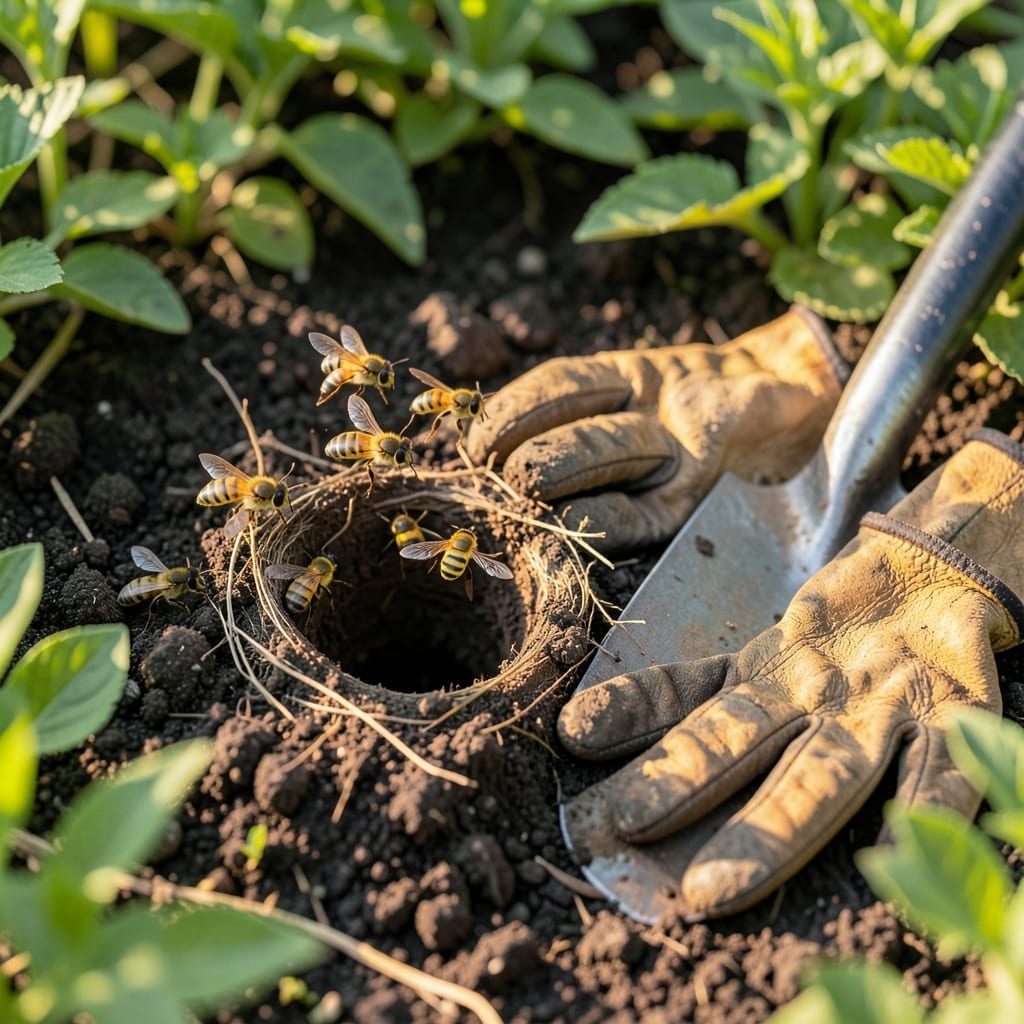
I spotted my first ground nest last summer near the tomato bed. Small yellow jackets aren’t just annoying—they’re protective, and disturbing their home can trigger aggressive behavior.
The key is working at dusk when they’re less active. A simple soapy water solution does the trick without harsh chemicals, and it’s safe for surrounding plants and pollinators.
Prevention starts with sealing food sources and monitoring for early signs. I’ve kept my garden yellow-jacket-free for two seasons by staying vigilant in late summer.
This method works for any garden size, from raised beds to open yards. Here’s how to handle it safely and effectively.
Understanding why small yellow jackets establish nests in the ground can help you prevent and address infestations effectively. These aggressive wasps choose subterranean sites for specific biological and environmental reasons. Below are the primary causes, explained with actionable insights.
Yellow jackets, particularly the Vespula species, are hardwired to build nests underground. Unlike paper wasps that prefer aerial locations, ground-nesting yellow jackets seek pre-existing cavities—such as abandoned rodent burrows—to save energy. These sites offer protection from predators and harsh weather, ensuring colony survival. If your yard has loose soil, old gopher holes, or dense vegetation, it becomes an ideal invitation for nesting.
Warm, dry soil with good drainage is a magnet for yellow jackets. They thrive in areas where the ground stays moderately moist but not waterlogged, as excessive rain can flood and destroy nests. Regions with mild winters also see higher activity, as colonies can persist longer. If you live in a temperate zone with loose, workable soil, your property is at higher risk—especially in late summer when colonies peak in size.
Yellow jackets are scavengers, drawn to protein and sugar—especially in late summer and fall. A yard with uncovered trash, pet food, fallen fruit, or open compost piles acts like a buffet, encouraging them to build nests close by. Reducing attractants (e.g., sealing garbage bins, cleaning up picnic areas) can dramatically lower the likelihood of a ground nest forming.
Dealing with small yellow jackets nesting in the ground can be unsettling, but these practical solutions will help you reclaim your yard safely and effectively. Below are targeted fixes for common causes, paired with prevention tips to keep them from returning.
If you’ve spotted a nest, act at dusk or dawn when yellow jackets are less active. Use a foaming wasp spray designed for ground nests—insert the nozzle into the entrance and apply thoroughly. For a natural approach, pour a soapy water solution (1 part dish soap to 4 parts water) into the nest entrance at night. The soap breaks down their exoskeletons, killing them on contact.
Prevention tip: 💡 Seal cracks and holes in the ground with sand or soil, and keep your yard free of food scraps or sugary spills that attract them.
Yellow jackets are scavengers, so eliminate food sources first. Secure trash cans with tight lids, clean up fallen fruit from trees, and avoid leaving pet food outside. If you’re eating outdoors, cover dishes and dispose of leftovers immediately.
Prevention tip: ✨ Use yellow jacket traps (baited with fruit juice or meat) placed away from seating areas to lure them elsewhere before they nest.
These wasps love undisturbed, moist soil. Trim tall grass, remove leaf litter, and improve drainage in low-lying areas. If you have a compost pile, keep it sealed and turn it regularly to discourage nesting.
Prevention tip: 🎯 Till the soil in early spring to disrupt potential nesting sites before they’re established.
Always wear protective clothing (long sleeves, gloves, and a veil) when treating nests, and avoid swatting—it releases pheromones that can trigger aggressive behavior. If the nest is large or in a high-traffic area, consider calling a pest control professional for safe removal.
Yellow jackets have smooth bodies with bright yellow and black bands, while bees are fuzzy. Yellow jackets also fly more aggressively and nest underground, unlike honeybees that build hives.
Colonies peak in size by late summer, with thousands of workers foraging for food. Protein and sugar demands increase as they prepare for winter, making them more noticeable and aggressive.
Boiling water can kill some wasps but may not reach the entire nest. Soapy water or professional sprays are more effective. Always treat at night and wear protective gear.
Seal potential nesting sites in early spring, remove food attractants, and monitor regularly for new activity. Prevention is key to long-term control.