
Beautiful Plants For Your Interior
Beautiful Plants For Your Interior
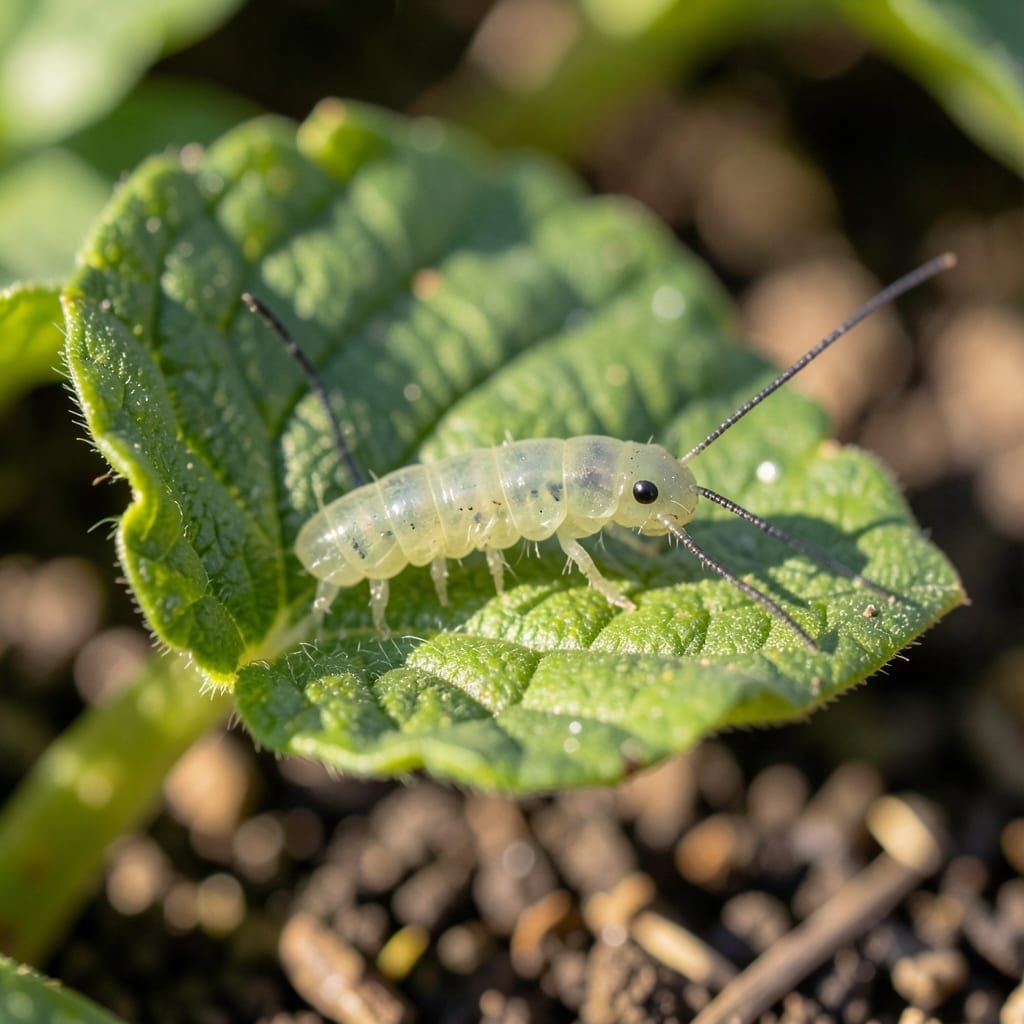
Those tiny worms with antennae in your soil aren’t random pests. I’ve seen them turn healthy plants into struggling survivors overnight if left unchecked.
They’re likely fungus gnat larvae, and their presence means your soil is staying too moist. The adults look like small mosquitoes, but it’s the larvae doing the real damage—chewing through roots and stunting growth.
Here’s the thing—you can spot them by their translucent bodies and dark heads. They thrive in damp conditions, so overwatering is usually the culprit.
Catch them early, and your plants stay strong and productive. The fix is simpler than you think, and it starts with letting your soil dry out between waterings.
Understanding why small worms with antennae (often larvae of pests like fungus gnats or whiteflies) appear in your garden helps you tackle the root of the problem. These pests thrive under specific conditions, and addressing them can restore plant health. Here’s what’s likely happening:
Excess moisture in soil creates the perfect breeding ground for fungus gnat larvae, which resemble tiny worms with thread-like antennae. Overwatering suffocates roots and encourages fungal growth, which these larvae feed on. Action: Let the top 1-2 inches of soil dry between waterings and ensure pots have drainage holes.
Decomposing leaves, mulch, or compost attract pests like whitefly larvae or sciara flies. These “worms” (actually larval stages) feast on rotting material and plant roots. Action: Remove debris regularly and avoid over-mulching. Use well-aged compost to reduce attractions.
High humidity and temperatures (70–80°F) accelerate the life cycle of many soil-dwelling pests. Greenhouses or indoor plants are especially vulnerable. Action: Improve airflow with fans and maintain humidity below 60% where possible.
Store-bought or reused soil may harbor eggs or larvae. Even “sterile” mixes can become infested if exposed to pests. Action: Bake soil at 200°F for 30 minutes before use, or opt for high-quality, pest-resistant mixes.
Dealing with these pests in your garden doesn’t have to be a losing battle. Here’s how to tackle the most common causes and restore your plants to health.
If excess moisture is the culprit, start by reducing your watering frequency and ensuring pots or garden beds have proper drainage. Use well-draining soil mixes and consider adding perlite or sand. Prevention tip: 💡 Stick your finger an inch into the soil—only water if it feels dry.
For soil-borne pests, remove the top layer of infested soil and replace it with fresh, sterile potting mix. For a natural treatment, introduce beneficial nematodes or diatomaceous earth to target larvae. Prevention tip: 🌱 Rotate crops annually to disrupt pest life cycles.
Encourage natural predators like ladybugs, lacewings, or ground beetles by planting companion flowers such as marigolds or alyssum. Avoid broad-spectrum pesticides, which can harm these helpful allies. Prevention tip: ✨ Create a small water source, like a shallow dish with pebbles, to attract predator insects.
If chemical treatments have backfired, stop using synthetic pesticides and opt for organic alternatives. Neem oil or insecticidal soap can effectively control pests without harming beneficial organisms. Prevention tip: 🎯 Always test sprays on a small plant area first to avoid damage.
With these targeted fixes, you’ll not only address the immediate issue but also build a healthier, more resilient garden in the long run.
Yes, they often indicate fungus gnat larvae, which feed on roots and can stunt growth. Left unchecked, they’ll weaken plants and spread rapidly in moist soil.
Fungus gnat larvae are translucent with black heads and thread-like antennae. Adults resemble tiny mosquitoes. Check for them in the top 1-2 inches of damp soil.
Let the soil dry out completely between waterings. For immediate action, apply diatomaceous earth or beneficial nematodes to the surface. Avoid overwatering for 1-2 weeks.
Use well-draining soil and pots with drainage holes. Remove decaying leaves promptly and store potting mix in sealed containers.