
Beautiful Plants For Your Interior
Beautiful Plants For Your Interior
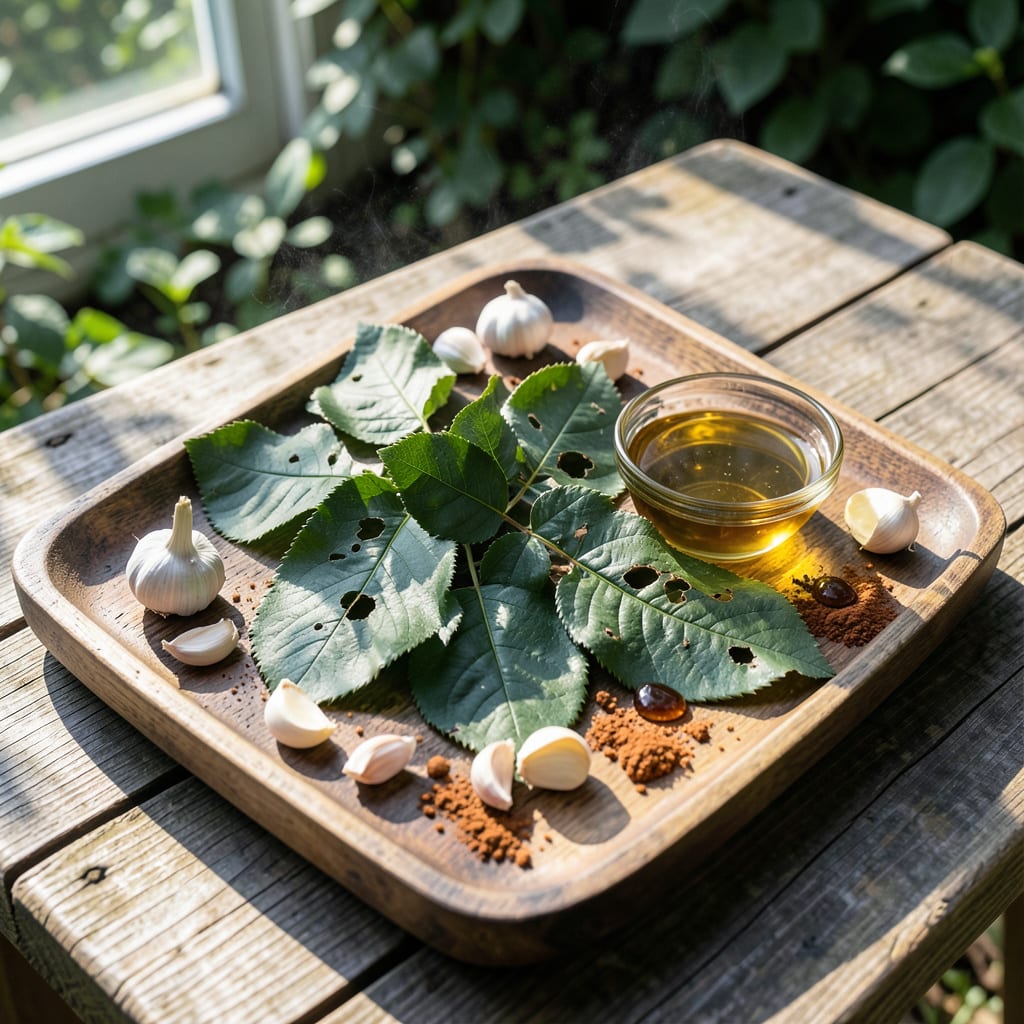
My roses looked perfect until I noticed the jagged edges. Holes in rose leaves usually mean pests are throwing a party on your plants, and they didn’t send an invitation.
Japanese beetles, sawfly larvae, and slugs are the usual suspects. The good news? You can fight back without chemicals. Natural treatments work fast and keep your garden safe for bees and butterflies.
I’ve tested hand-picking, neem oil sprays, and beer traps—all with great results. The key is catching the problem early before it spreads to your blooms.
With the right approach, your roses will bounce back stronger and more healthy than ever. Here’s how to reclaim your garden.
Holes in rose leaves are often a sign of underlying issues, whether from pests, diseases, or environmental stress. Understanding the root cause is key to effective natural treatment. Below are the most common culprits:
Chewing insects like Japanese beetles, rose slugs, and caterpillars are primary offenders. Japanese beetles skeletonize leaves by feeding on the tissue between veins, while rose slugs (sawfly larvae) scrape the surface, creating window-like patches. Caterpillars, such as those of the Cabbage Looper, eat irregular holes through the leaf blades. These pests thrive in warm, dry conditions and are most active in early summer.
While fungi like black spot or powdery mildew typically cause spots rather than holes, severe infections can weaken leaf tissue, making it susceptible to tearing or secondary pests. Bacterial leaf spot (Xanthomonas spp.) may also lead to necrotic patches that eventually perforate. These pathogens spread in wet, humid conditions, especially when leaves remain damp for extended periods.
Physical damage from hail, strong winds, or gardening tools can create tears that resemble holes. Additionally, nutrient deficiencies (e.g., magnesium or nitrogen) weaken leaves, making them more prone to pest attacks or weather-related injury. Poor soil drainage or over-fertilization can also stress roses, reducing their natural defenses.
Larger animals like deer, rabbits, or even squirrels may nibble on rose foliage, leaving jagged holes or torn edges. This is more common in rural or suburban gardens where wildlife has easy access to plants. Look for uneven damage or bite marks as clues.
Dealing with holes in rose leaves? Here’s how to tackle the most common causes with simple, natural fixes.
Fix: Spray leaves with a neem oil solution (1 tsp neem oil + 1 tsp dish soap + 1 quart water) to deter aphids, beetles, and caterpillars. For severe cases, handpick pests or use insecticidal soap. Apply in the early morning or late evening for best results.
Prevention: Encourage beneficial insects like ladybugs and lacewings by planting companion flowers such as marigolds or lavender. Regularly inspect leaves for early signs of pests.
Fix: Remove infected leaves immediately and treat the plant with a baking soda spray (1 tbsp baking soda + 1 tsp dish soap + 1 gallon water). Apply weekly until the issue resolves.
Prevention: Improve air circulation by pruning dense foliage and watering at the base of the plant to keep leaves dry. Avoid overhead watering, especially in the evening.
Fix: Boost soil health with compost or organic fertilizer rich in nitrogen, potassium, and phosphorus. For quick results, use a balanced liquid fertilizer according to package instructions.
Prevention: Test soil annually and amend as needed. Mulch around the base of roses to retain moisture and nutrients.
Fix: Install physical barriers like chicken wire or netting around vulnerable plants. For deer, use repellents made from eggs, garlic, or hot peppers.
Prevention: Plant roses near fences or other structures that deter animals. Consider deer-resistant rose varieties if wildlife is a recurring issue.
💡 Pro Tip: Always remove fallen leaves and debris around your roses to eliminate hiding spots for pests and fungi. Healthy plants are your best defense!
Apply neem oil every 7-10 days for prevention or every 3-5 days for active infestations. Always spray in the early morning or late evening to avoid leaf burn.
Early morning or late evening applications avoid direct sun, which can cause oils to scorch leaves. Beneficial insects are also less active then, reducing harm to pollinators.
Yes! A garlic spray deters pests, while 1 tsp dish soap + 1 quart water creates an effective insecticidal spray. Test on a few leaves first to check for sensitivity.
Handpick visible pests immediately and remove damaged leaves to disrupt their lifecycle. Follow up with a neem oil spray for long-term protection.
