
Beautiful Plants For Your Interior
Beautiful Plants For Your Interior
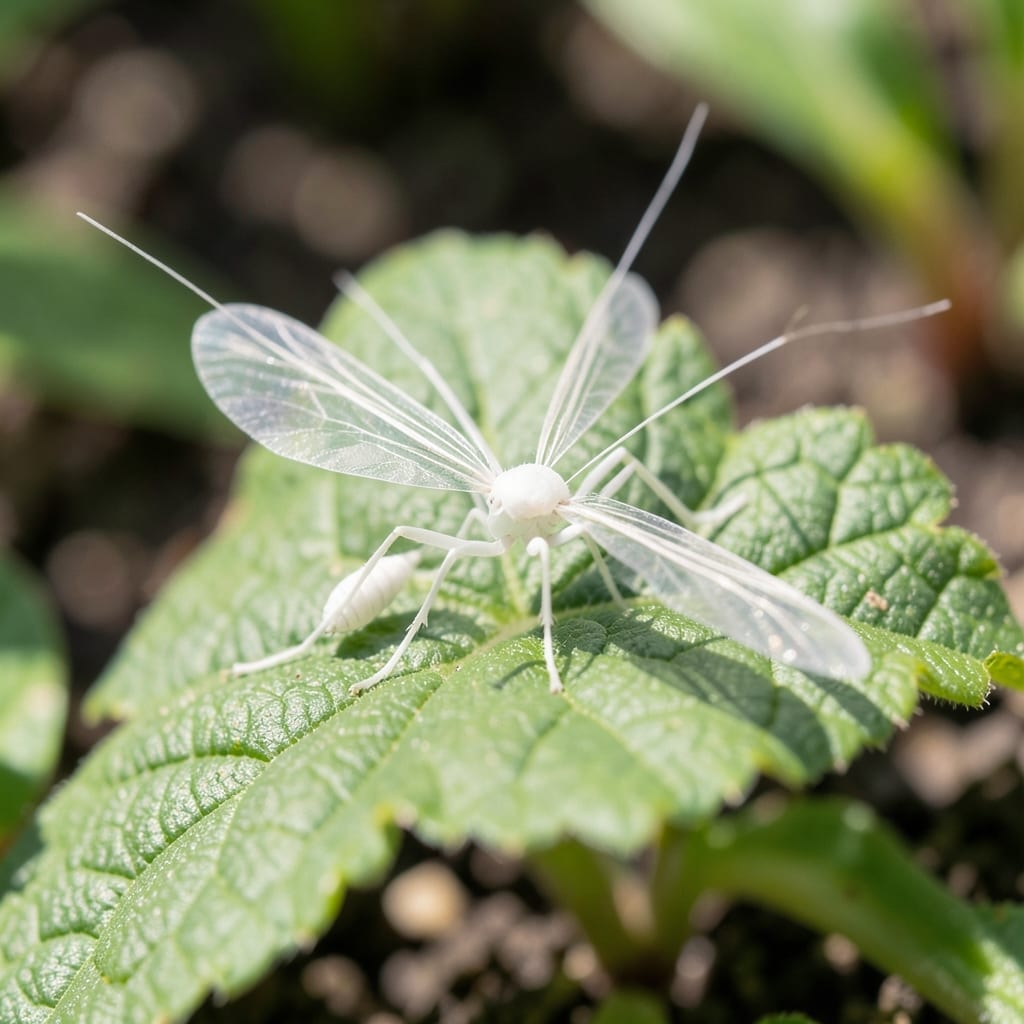
Tiny white bugs swarming your plants when you touch them? I’ve been there. Those little clouds of whiteflies can turn a healthy garden into a battleground overnight.
They cluster on leaf undersides, sucking sap and leaving sticky residue. I lost a whole crop of tomatoes once before learning how to spot them early. The key is catching them before they multiply.
You’ll want to act fast with natural solutions that won’t harm your plants. A simple spray bottle and some household items can make all the difference.
Works for indoor plants, greenhouse setups, or outdoor gardens. Here’s how to take back control.
Small white, mosquito-like bugs often appear due to specific environmental or biological triggers. Below are the most common causes, explained with actionable insights.
Many tiny white bugs, such as fungus gnats or whiteflies, thrive in damp environments. Overwatered houseplants, leaky pipes, or poor drainage create ideal breeding grounds. These pests lay eggs in moist soil or organic debris, leading to rapid infestations. Reducing humidity with dehumidifiers or fixing leaks can curb their population.
Decomposing plant material, compost piles, or rotting wood attract springtails and other small white insects. These bugs feed on fungi and decaying matter, often entering homes through cracks or open windows. Regularly removing organic waste and sealing entry points helps prevent infestations.
Warmer climates or indoor heating systems accelerate the life cycle of these pests. Whiteflies, for example, reproduce faster in temperatures above 70°F (21°C). Maintaining cooler indoor temperatures or using fans can disrupt their breeding.
Food residue, grease, or unsealed trash bins can invite drain flies or fruit flies, which resemble tiny white mosquitoes. These bugs lay eggs in slimy drains or fermenting organic matter. Cleaning drains with baking soda and vinegar, and storing food properly, eliminates their food sources.
Dealing with tiny white bugs that resemble mosquitoes? Here’s how to tackle each common cause and keep them from coming back.
Overwatered soil attracts these pests. Let the top inch of soil dry out between waterings. Use yellow sticky traps to catch adults and a hydrogen peroxide soil drench (1 part 3% peroxide to 4 parts water) to kill larvae. Prevent future infestations by using well-draining soil and pots with drainage holes.
Check the undersides of leaves for clusters of white eggs or nymphs. Wipe leaves with a damp cloth or spray with insecticidal soap (1 tsp mild soap per quart of water). For severe cases, introduce beneficial insects like ladybugs. Quarantine new plants for 2 weeks to prevent spread.
Clean drains with a baking soda and vinegar mix (pour ½ cup baking soda, then 1 cup vinegar; let sit 10 minutes, then flush with hot water). Use a drain brush to scrub away organic buildup. Prevent them by running hot water weekly and covering drains when not in use.
Discard infested food and vacuum shelves to remove eggs. Store dry goods in airtight glass or plastic containers. Place bay leaves or diatomaceous earth in pantries as a natural deterrent. Inspect groceries before bringing them inside.
For all cases, improve ventilation and reduce moisture—these bugs thrive in damp, stagnant environments. A small fan or dehumidifier can make a big difference!
No, they don’t bite or spread diseases. They’re mostly a nuisance for plants, sucking sap and leaving sticky residue. Some people may experience mild allergic reactions if exposed to large numbers.
They thrive in moist environments with organic matter. Check for overwatered plants, leaky pipes, or decaying food. Eliminating these conditions prevents reinfestation.
Yes! A 50/50 vinegar-water solution in a spray bottle works well for whiteflies. For drain flies, pour baking soda followed by vinegar down the drain, then flush with hot water.
Use yellow sticky traps and introduce beneficial insects like ladybugs. Avoid overwatering and remove plant debris regularly.