
Beautiful Plants For Your Interior
Beautiful Plants For Your Interior
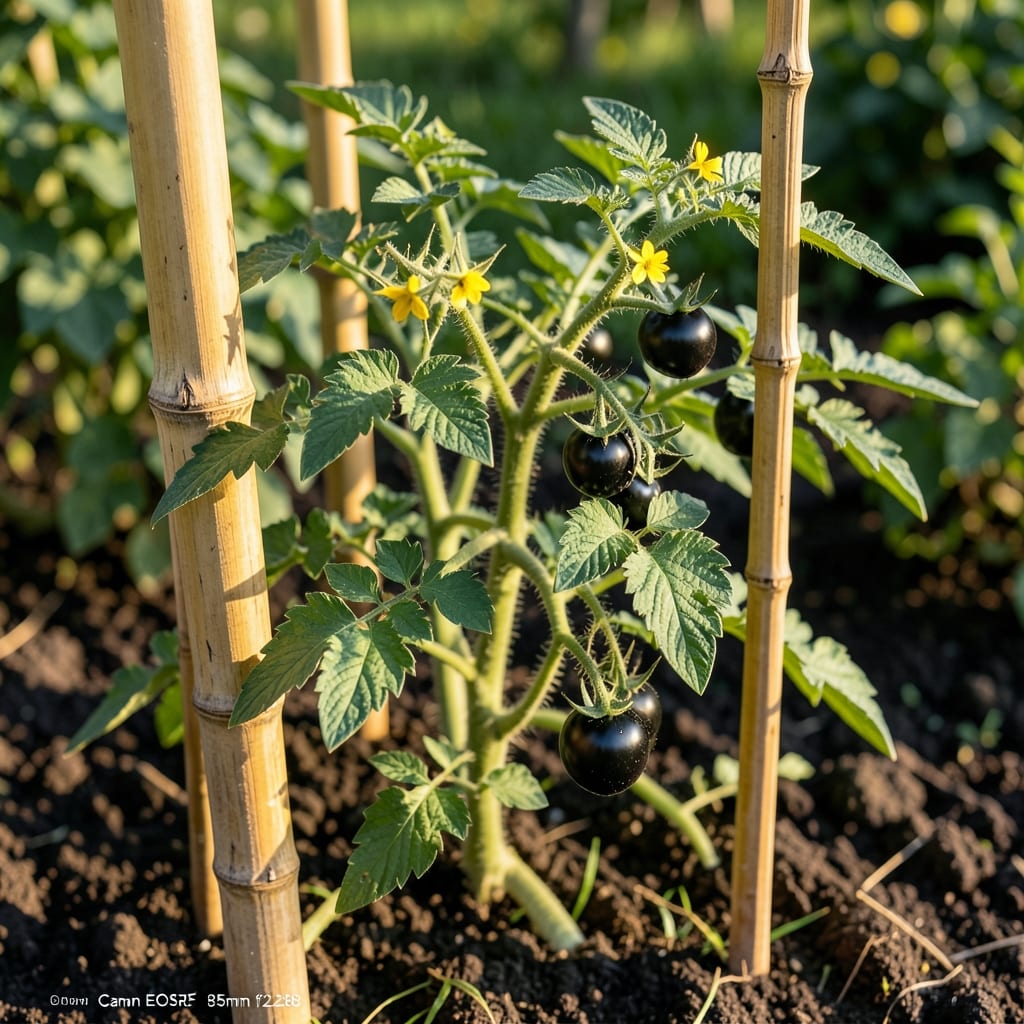
I first grew small black tomatoes on a whim and was stunned by their deep, complex flavor. These heirlooms look dramatic in the garden with their dark, almost purple skin.
They thrive in full sun with consistent watering and produce 1-2 inch fruits that add serious visual appeal to any harvest. Perfect for gardeners who love unique, conversation-starting plants.
📚 In This Guide
Here’s the method I rely on to cultivate these striking heirlooms with rich, complex flavors.
Choose a location with full sun exposure—at least 8 hours of direct sunlight daily. Small black tomato varieties thrive in well-draining soil with a pH between 6.0 and 6.8. I always test my soil first and amend with compost to improve fertility and structure.
Work the soil to a depth of 12-18 inches, removing any rocks or debris that could impede root growth. This preparation ensures the deep root systems these plants develop can access nutrients and moisture without obstruction.
Start seeds indoors 6-8 weeks before the last frost date, or plant seedlings after all danger of frost has passed. Set each seedling in a hole deep enough to bury two-thirds of the stem—this encourages additional root growth along the buried portion.
Space plants 18-24 inches apart in rows 3 feet apart. For direct sowing, plant seeds ¼ inch deep and thin seedlings to the same spacing once they develop first true leaves. Water immediately after planting to settle the soil around the roots.
Water deeply at the base of the plant 2-3 times per week, providing 1-2 inches of water each time. The goal is to keep the soil consistently moist but not waterlogged. I check the moisture level by inserting my finger 1 inch into the soil—if it feels dry at that depth, it’s time to water.
Avoid overhead watering to prevent fungal diseases, which can be particularly problematic for heirloom varieties. Mulching with 2-3 inches of organic material helps retain moisture and suppress weeds while regulating soil temperature.
Small black tomatoes often produce heavy fruit clusters that need support. Install 5-6 foot tall stakes or cages at planting time to avoid disturbing roots later. As plants grow, gently tie stems to the support using soft plant ties or strips of cloth.
Monitor for signs of stress, such as yellowing leaves or wilting. These often indicate water or nutrient issues. I find that small black varieties respond well to a balanced fertilizer applied every 3-4 weeks during the growing season.
Small black tomatoes typically mature in 60-80 days from transplanting. Harvest when fruits develop their characteristic deep purple-black color and feel slightly soft to the touch. The shoulder area near the stem often remains green or dark red—this is normal for many black varieties.
Use clean, sharp pruners or twist gently by hand to remove fruits. Harvest regularly to encourage continued production. I’ve found these varieties often produce more fruit when picked consistently, sometimes yielding 10-15 pounds per plant over the season.
These heirloom plants reward attention to detail with stunning results.
Sunlight Strategy: The 6-8 hours of daily sun in Step 1 isn’t just a suggestion—it’s critical for developing that signature deep purple-black color and rich flavor. I learned this the hard way when my first batch stayed greenish in partial shade. If your space is limited, prioritize morning sun, which is less intense than afternoon rays.
Soil Depth Matters: That 12-15 inch soil prep in Step 2 might seem excessive, but these vigorous plants develop extensive root systems. Skimping here leads to shallow roots that struggle during dry spells. Work that compost deep—your future self will thank you during heatwaves.
Planting Technique: Burying ⅔ of the stem in Step 3 isn’t just about stability—it encourages additional root growth along the buried portion. This creates a stronger plant that’s better equipped to support heavy fruit loads. I was skeptical until I saw the difference in plant vigor.
Watering Wisdom: The 1-2 inches of water per week in Step 4 needs to be consistent. These tomatoes are particularly prone to blossom end rot if moisture fluctuates. Drip irrigation is your friend here, keeping foliage dry while delivering water directly to the roots.
Yes! Small black tomatoes, like ‘Black Cherry’ or ‘Indigo Rose’, are edible and packed with rich, sweet flavors. Their dark hue comes from anthocyanins, natural antioxidants. Always ensure they’re ripe and free from mold or disease before consuming.
Look for a deep, uniform color (purple-black or mahogany) and a slight softness when gently squeezed. They often ripen from the bottom up, so check for even coloration. A sweet, fruity aroma is another great sign!
Plant in well-draining soil with full sun (6-8 hours daily). Use supports like cages or stakes, as some varieties can be vining. Water consistently at the base to avoid fungal issues, and fertilize lightly with a balanced organic option.
Cracking usually happens due to uneven watering. Keep soil moisture consistent—mulching helps! Over-fertilizing or rapid growth can also cause it. Opt for slow-release fertilizers and avoid waterlogging.