
Beautiful Plants For Your Interior
Beautiful Plants For Your Interior
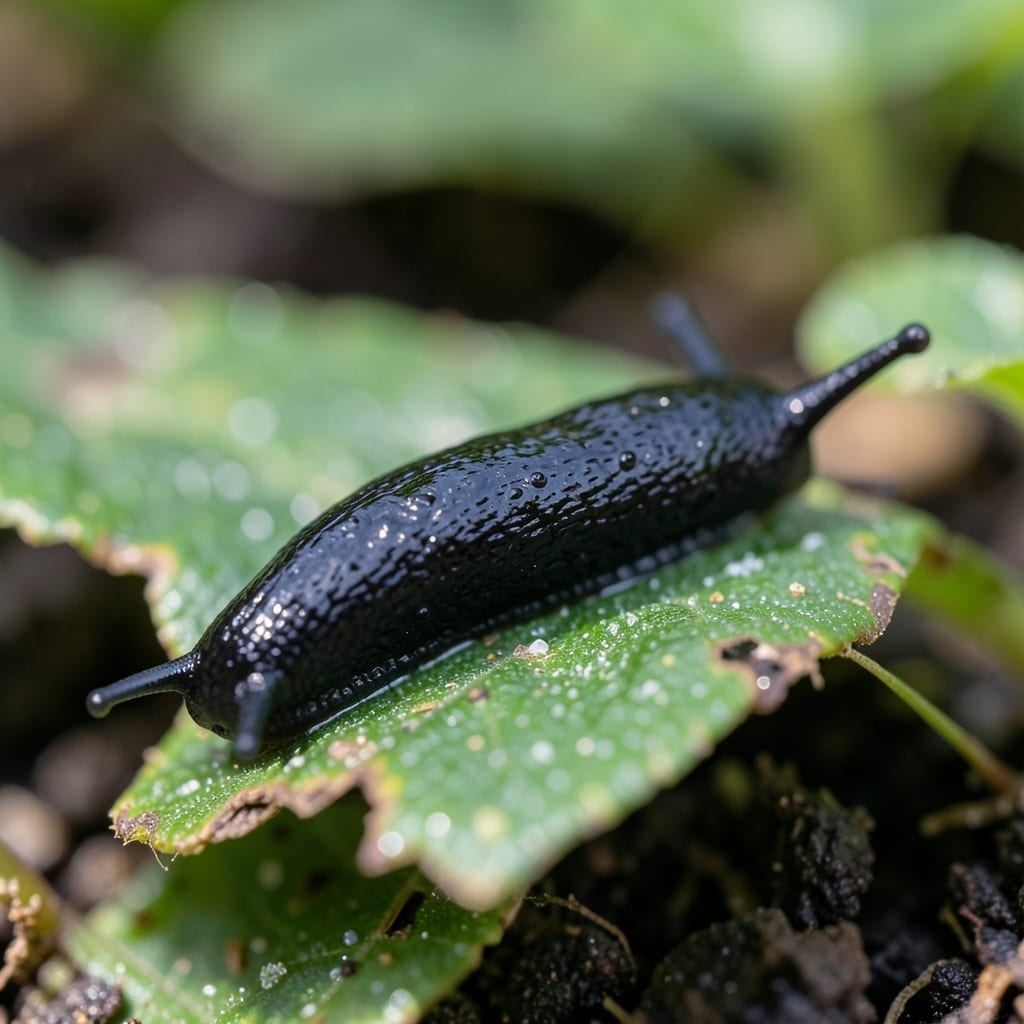
Spotted tiny black invaders on your hostas last night. They move like liquid shadows, leaving silvery trails across leaves and stems, and your garden looks like lace by morning.
I’ve lost entire seedlings to these pests in 24 hours. They’re not just ugly—they’re hungry, and they’ll chew through tender foliage faster than you can say “organic control.”
The good news? You can identify them by their glossy black bodies and slow, deliberate glide. Catch them early, and you’ll save your plants before the damage spirals.
Here’s how to spot them, stop them, and keep them from coming back—without turning your garden into a chemical warzone.
Small black slugs often invade gardens due to a combination of environmental and ecological factors. Understanding these causes can help you address the root of the problem effectively.
Slugs thrive in damp conditions. Overwatered soil, poor drainage, or frequent rain can create the perfect habitat for these pests. They seek out moisture to survive, and a consistently wet garden bed is an open invitation.
Decaying leaves, mulch, and other organic matter provide both shelter and food for slugs. Gardens with thick layers of compost or untreated wood chips often attract them, as these materials retain moisture and offer hiding spots during the day.
Dense plantings and tall grasses create shaded, humid microclimates that slugs love. These areas protect them from predators and direct sunlight, allowing populations to grow unchecked.
Natural predators like birds, beetles, and frogs help control slug populations. If your garden lacks these helpers—due to pesticides, habitat loss, or urbanization—slugs can multiply rapidly without natural checks.
Excess nitrogen from fertilizers promotes lush, tender plant growth, which slugs find irresistible. Over-fertilized gardens often become buffets for these pests, especially in early spring when new shoots emerge.
Tackling small black slugs in your garden requires a mix of immediate action and long-term prevention. Here’s how to address the most common causes and keep your plants safe.
Fix: Reduce watering frequency and improve drainage by amending soil with compost or sand. Ensure pots have drainage holes to prevent waterlogging, which attracts slugs.
Prevention: Water plants early in the day so soil dries by evening. Use raised beds for better airflow.
Fix: Remove leaf litter, fallen fruit, and dense mulch where slugs hide. Clear debris daily to disrupt their habitat.
Prevention: Keep garden beds tidy and store compost bins far from plants.
Fix: Set up beer traps (shallow dishes of beer) or iron phosphate baits in the evening. Handpick slugs at night with a flashlight and relocate them far away.
Prevention: Apply copper tape around plant pots or garden edges—slugs dislike the electric charge it creates.
Fix: Attract slug-eating wildlife like birds, frogs, and ground beetles by adding a water source or bird feeders.
Prevention: Avoid pesticides that harm beneficial predators. Plant native species to encourage biodiversity.
💡 Pro Tip: Barriers work wonders! Sprinkle crushed eggshells or diatomaceous earth around plants—its sharp edges deter slugs without chemicals.
Yes, they chew irregular holes in leaves, stems, and fruits overnight. Seedlings can be completely destroyed in 24 hours if left unchecked.
They avoid daytime dryness and predators. The cool, damp night conditions let them feed safely while conserving moisture in their soft bodies.
Handpick them after rain or at dusk, or set up beer traps. Copper barriers and crushed eggshells also work as natural deterrents.