
Beautiful Plants For Your Interior
Beautiful Plants For Your Interior
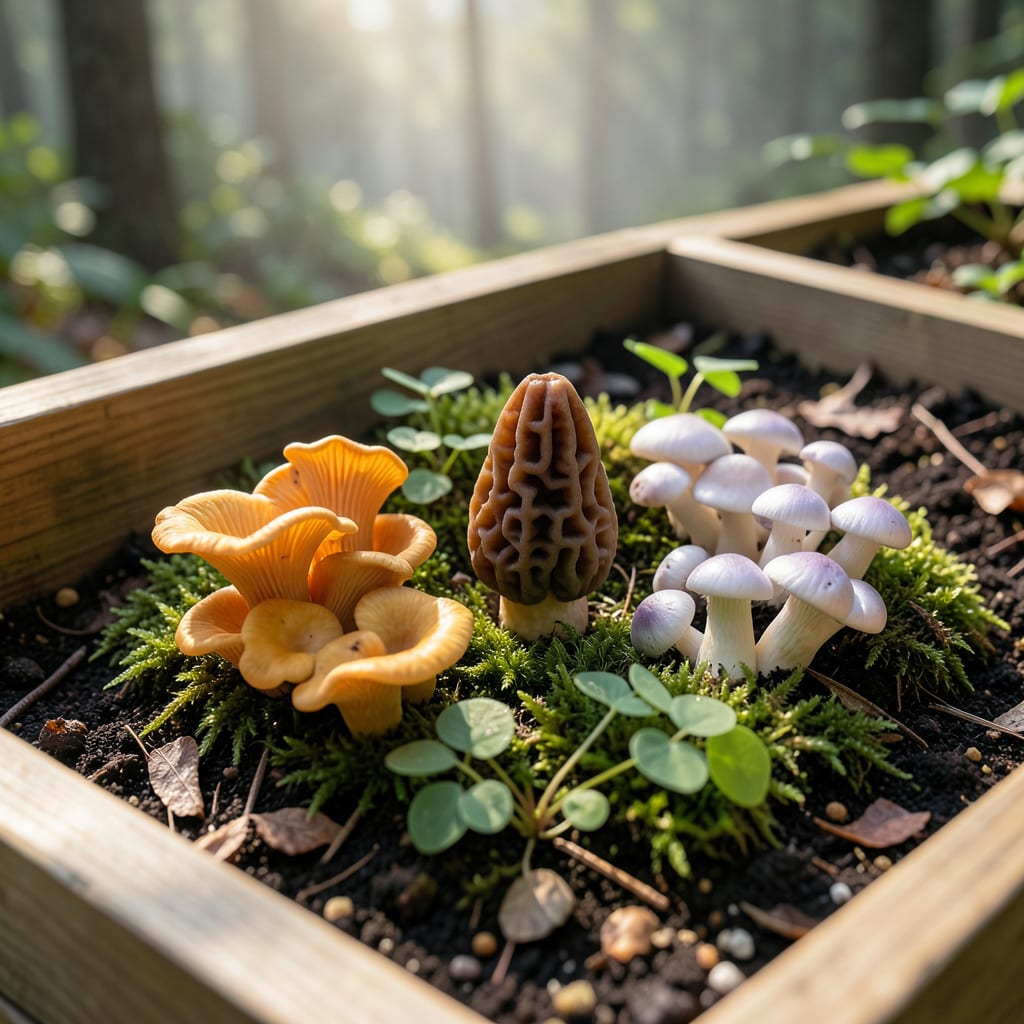
White fluff, black spots, or powdery coatings on your plants aren’t just unsightly—they’re stealing nutrients and stunting growth. I’ve battled fungus in my raised beds and learned that early action is everything.
Most fungal issues start with excess moisture, poor air flow, or contaminated soil. The good news? You can fix this without harsh chemicals. Simple changes in watering habits and plant spacing often prevent the problem entirely.
Organic solutions like neem oil, baking soda sprays, and compost tea work wonders. Within a week, you’ll see the difference in leaf health and vigor.
This approach keeps your soil healthy and your harvests safe to eat. Let’s tackle it step by step.
Fungus thrives in raised garden beds due to a mix of environmental and cultural factors. Understanding these causes helps you prevent and manage outbreaks effectively.
Fungi love damp environments. Raised beds with inadequate drainage or overwatering create the perfect breeding ground. When soil stays soggy, it reduces oxygen levels, stressing plant roots and inviting fungal pathogens like Phytophthora or Pythium. Ensure your bed has drainage holes and use a well-balancing soil mix with perlite or coarse sand.
Decaying plant matter, such as fallen leaves or unremoved crop residues, provides a food source for fungi. As these materials break down, they release nutrients that feed spores. Regularly clear debris and practice crop rotation to minimize fungal food sources. Avoid burying diseased plants in the bed, as this can introduce pathogens directly into the soil.
Many fungi, like powdery mildew or Fusarium, thrive in high humidity and moderate temperatures (70–80°F). Raised beds can trap heat and moisture, especially if they’re densely planted or lack airflow. Space plants properly and consider mulching with straw (not wood chips) to regulate soil temperature and reduce humidity at the surface.
Using unsterilized soil or improperly composted materials can introduce fungal spores into your raised bed. Pathogens like Verticillium or Rhizoctonia often hitch a ride in homemade compost that hasn’t reached high enough temperatures (140–160°F) to kill them. Always source soil from reputable suppliers and ensure compost is fully decomposed before use.
Tackling fungus in your raised garden bed starts with identifying the root cause and applying targeted fixes. Below are practical solutions for common fungal issues, along with prevention tips to keep your garden thriving.
If excess moisture is the culprit, stop watering immediately and let the soil dry out. For raised beds, ensure they have drainage holes at the bottom. Mix in coarse sand or perlite to improve soil structure. Prevention tip: Water only when the top inch of soil feels dry, and use a drip irrigation system to avoid wetting the foliage. 💡
If the fungus stems from contaminated soil, remove the top 2-3 inches of soil and replace it with fresh, sterilized potting mix. For a natural fix, solarize the soil by covering it with clear plastic for 4-6 weeks to kill off fungal spores. Prevention tip: Always use high-quality, disease-free compost and avoid reusing soil from infected plants. ✨
Fungus thrives in dense, humid environments. Thin out overcrowded plants to improve air circulation. Space plants according to their mature size to reduce humidity buildup. Prevention tip: Prune regularly to remove dead or yellowing leaves, which can harbor fungal spores. 🌡️
For visible fungal growth on leaves (e.g., powdery mildew or rust), remove infected leaves and dispose of them in the trash (not compost). Spray the remaining plants with a homemade fungicide, such as a mix of 1 tsp baking soda, 1 quart water, and a few drops of dish soap. Prevention tip: Apply neem oil or copper fungicide preventatively every 2-3 weeks. 🎯
If the fungus is growing on the wooden frame of your raised bed, scrub it off with a mix of 1 part white vinegar to 3 parts water. For stubborn cases, use a natural wood cleaner or sand the affected area. Prevention tip: Seal the wood with a non-toxic, waterproof sealant to prevent future moisture absorption. 🔥
Fungus often appears as white, black, or colorful spots, powdery coatings, or fuzzy growth on soil or plants. Dirt is uniform in color and texture. If it spreads quickly or has a musty smell, it’s likely fungal.
Yes, some fungi can damage plants by stealing nutrients or causing diseases like powdery mildew. Remove affected leaves immediately to prevent spreading. Early action protects your harvest.
Only after treatment. Replace the top 2-3 inches of soil or solarize it with clear plastic for 4-6 weeks to kill spores. Never reuse untreated infected soil.
A baking soda spray (1 tsp baking soda + 1 quart water + dish soap) works within days. Spray in the morning and repeat every 5-7 days until gone.
