
Beautiful Plants For Your Interior
Beautiful Plants For Your Interior
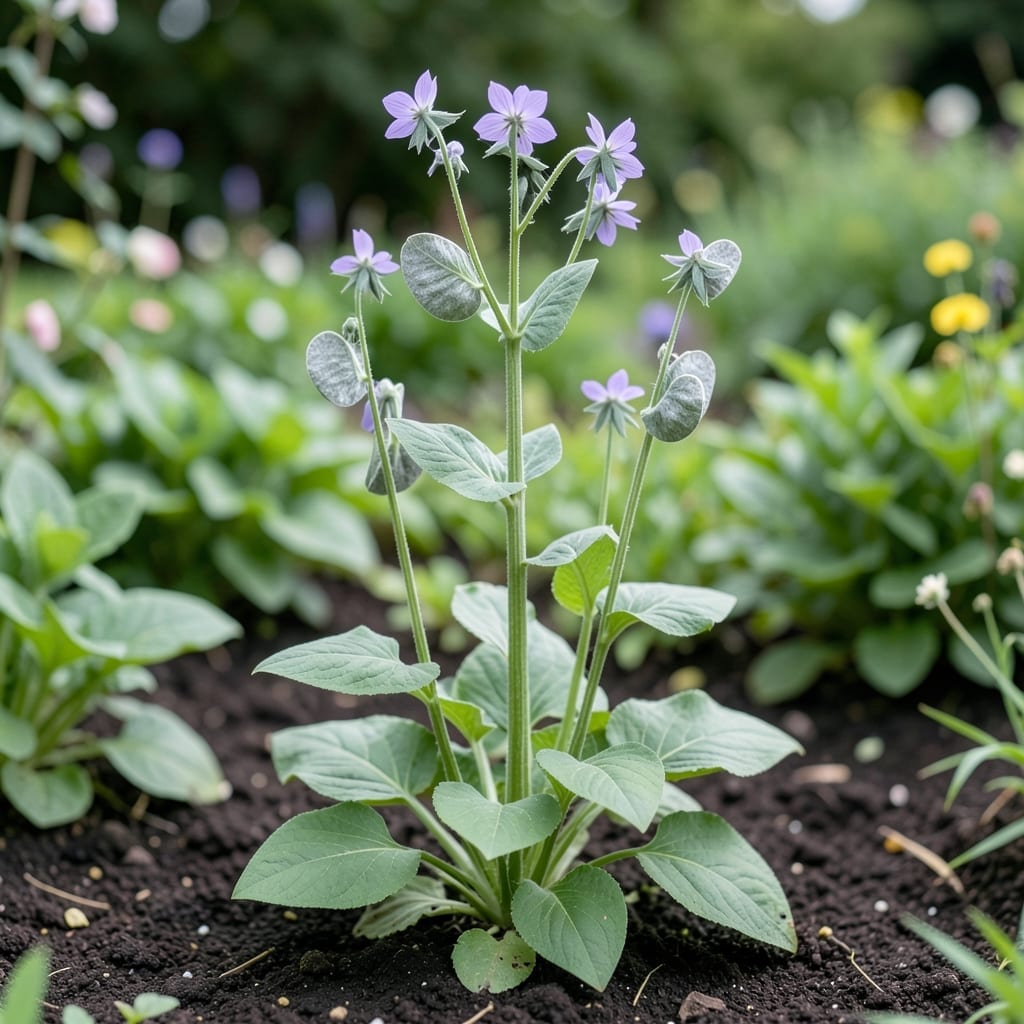
Silver dollar plants transformed my shady corner into a forest of round, metallic leaves. I was skeptical at first—how could something so simple look so stunning?
Turns out, they thrive with minimal effort. Just give them well-draining soil, consistent moisture, and a spot with bright, indirect light. You’ll be rewarded with year-round foliage that stops visitors in their tracks.
📚 In This Guide
This proven approach keeps your plants healthy and vibrant through every season.
Position your plants in a location with bright, indirect light for 6-8 hours daily. Direct afternoon sun can scorch the delicate foliage, especially in hotter climates. I’ve found that an east-facing window works perfectly, offering gentle morning light without the harsh intensity of midday rays.
If you notice the leaves developing brown, crispy edges, that’s your sign of too much direct sun. Real talk: even a few hours of harsh light can cause damage that takes weeks to recover from. Rotate the pot a quarter turn weekly to ensure even growth on all sides.
Water when the top 1-2 inches of soil feel dry to the touch. These plants prefer consistently moist but not soggy conditions. I always check the soil with my finger before watering—it’s the most reliable method. Use room-temperature water to avoid shocking the roots.
Overwatering is the most common mistake I see. Yellowing leaves and a mushy stem are clear signs you’ve been too generous. This plant thrives on neglect more than constant attention. A well-draining potting mix helps prevent waterlogged roots, which can quickly lead to root rot.
Maintain 50-60% humidity around your plants. In dry indoor environments, especially during winter, the air can become too arid for optimal growth. I use a simple humidity tray filled with pebbles and water beneath the pot to create a microclimate.
Mist the leaves lightly 2-3 times per week if your home’s air is particularly dry. Brown leaf tips often indicate low humidity. However, avoid misting in the evening, as damp leaves overnight can invite fungal issues. A small room humidifier also works wonders for maintaining consistent moisture in the air.
Feed your plants with a balanced, water-soluble fertilizer diluted to half strength every 4-6 weeks during the growing season. I’ve had success with a 10-10-10 formulation, which provides equal parts nitrogen, phosphorus, and potassium.
Always fertilize in the morning after watering to prevent root burn. If you notice salt buildup on the soil surface, flush the pot with water until it runs freely from the drainage holes. This removes excess minerals that can inhibit nutrient uptake.
Trim back leggy stems or yellow leaves as needed to maintain the plant’s shape and encourage bushier growth. I use clean, sharp scissors for this task, making cuts just above a leaf node. This promotes new growth from that point and helps maintain the plant’s compact, attractive form.
Regular pruning also improves air circulation, which reduces the risk of pests and diseases. Don’t be afraid to give your plant a good trim if it’s looking overgrown. The plant will recover quickly, and you’ll be rewarded with fuller, healthier foliage.
A few small adjustments make a world of difference for your plant’s health.
Light Exposure: For Step 1, the 6-8 hours of bright, indirect light is non-negotiable. An east-facing window is ideal, but if that’s not an option, a sheer curtain over a south-facing window can filter harsh rays. I learned this the hard way when my first few plants developed those telltale crispy edges after just a few hours in direct sun.
The Watering Check: In Step 2, resist the urge to water on a schedule. Instead, stick your finger into the soil up to the second knuckle—if the top 1-2 inches feel dry, it’s time. Overwatering is the fastest way to kill these plants, and a well-draining mix is your best defense against root rot.
Humidity Hack: Step 3’s 50-60% humidity requirement can be tricky in dry climates. A pebble tray works, but I’ve found grouping plants together creates a natural humidity boost. Just avoid misting at night, as damp leaves in cooler temperatures can lead to fungal problems.
Fertilizing Timing: For Step 4, stick to the 4-6 week feeding schedule during active growth. Fertilizing in the morning after watering prevents root burn, and flushing the soil occasionally keeps mineral buildup in check. I’ve seen salt crusts form when this step is skipped.
Yellowing leaves often indicate overwatering or poor drainage. Ensure your plant’s soil dries slightly between waterings and check for root rot. Adjust care if the pot lacks drainage holes.
Prune in early spring or summer to encourage bushier growth. Remove dead or damaged leaves anytime. Use clean shears to prevent disease spread.
Yes! Place them near a bright, indirect light source. A south- or west-facing window works well. Rotate the plant occasionally for even growth.
Watch for spider mites, mealybugs, or aphids. Wipe leaves with soapy water or use neem oil for treatment. Isolate infested plants to prevent spreading.
Fertilize every 4-6 weeks during spring and summer with a balanced liquid fertilizer. Reduce or stop feeding in fall and winter when growth slows.