
Beautiful Plants For Your Interior
Beautiful Plants For Your Interior
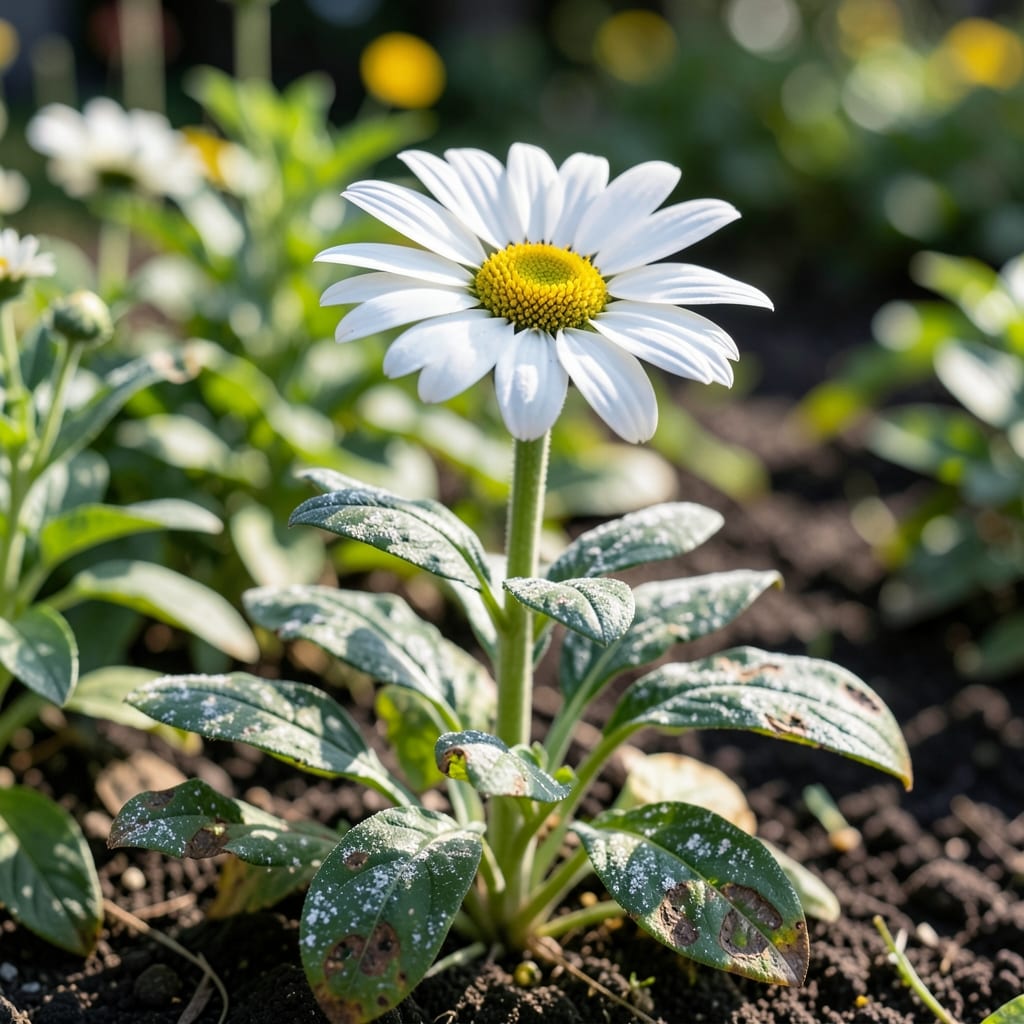
Your Shasta daisies looked unstoppable last week. Now they’re spotted, wilting, or covered in powder. I’ve been there—watching healthy plants decline fast, unsure if it’s fungus, bacteria, or just bad luck.
Most issues start with too much moisture, poor air flow, or contaminated soil. The good news? You can often reverse the damage with simple organic fixes and prevent future outbreaks with better habits.
Identify the problem early, and you’ll save your plants before it spreads. Late blight, powdery mildew, and leaf spot all have distinct signs—once you know what to look for, the solution becomes clear.
No fancy tools required. Just observation, quick action, and a few household items for treatment.
Understanding why Shasta daisies fall prey to diseases starts with recognizing the underlying causes. These hardy perennials aren’t immune to environmental stressors, pathogens, or cultural missteps. Below are the primary triggers, explained with actionable insights.
Overwatering or poor drainage creates a breeding ground for fungal diseases like powdery mildew and root rot. Shasta daisies thrive in well-draining soil; soggy conditions suffocate roots and invite Phytophthora and Pythium fungi. Similarly, crowded plantings reduce airflow, trapping moisture and encouraging botrytis blight (gray mold). Action: Space plants 18–24 inches apart and water at the base in the morning.
Fungi such as Erysiphe cichoracearum (powdery mildew) and Septoria leaf spot thrive in humid, warm conditions. Bacteria like Pseudomonas cause bacterial leaf spot, entering through wounds or splashing water. Action: Remove and destroy infected foliage immediately to prevent spores from overwintering. Use copper-based fungicides organically for prevention.
Aphids, leafhoppers, and whiteflies don’t just sap plant strength—they transmit viral diseases like aster yellows. These pests pierce plant cells, introducing pathogens that disrupt nutrient flow. Action: Introduce beneficial insects (e.g., ladybugs) or apply neem oil to deter pests before they spread disease.
Extreme heat, drought, or nutrient deficiencies (especially nitrogen or potassium) weaken Shasta daisies, making them vulnerable to opportunistic infections. Action: Mulch to retain moisture, fertilize with compost tea in spring, and provide afternoon shade in scorching climates.
Keeping your Shasta daisies healthy starts with quick action and smart prevention. Below are targeted fixes for the most common issues, along with tips to keep problems from returning.
Powdery mildew thrives in humid, crowded conditions. Remove infected leaves immediately and space plants at least 18 inches apart to boost air circulation. Apply a baking soda solution (1 tsp baking soda, 1 quart water, 1 tsp dish soap) weekly until the issue clears. Prevention tip: 💡 Water early in the day so foliage dries quickly, and avoid overhead watering.
These pests suck sap and spread diseases. Blast them off with a strong stream of water, then apply insecticidal soap or neem oil every 5–7 days. Introduce beneficial insects like ladybugs or lacewings to your garden for long-term control. Prevention tip: 🎯 Plant companion flowers like marigolds to deter pests naturally.
Dark spots with yellow halos signal Septoria. Prune infected leaves and destroy them (do not compost). Apply a copper fungicide if the spread is severe. Prevention tip: ✨ Rotate planting locations yearly and avoid wetting the foliage to reduce fungal spores.
Overwatering or poor soil drainage causes root rot. Dig up affected plants, trim blackened roots, and replant in well-draining soil. Amend heavy clay soil with compost or sand. Prevention tip: 🌡️ Use raised beds or containers if your garden retains too much moisture.
With consistent care and these targeted solutions, your Shasta daisies will bounce back stronger and more resistant to future issues.
Look for white powdery coating on leaves, dark spots with yellow edges, or wilting despite adequate water. These often signal powdery mildew, leaf spot, or root rot.
Yes! Soggy soil suffocates roots and invites fungal infections like Phytophthora. Always ensure good drainage and water at the base in the morning.
Introduce beneficial insects like ladybugs or apply neem oil weekly. Pests like aphids transmit viruses, so early intervention is key.
A baking soda solution (1 tsp baking soda, 1 quart water, 1 tsp dish soap) works well for powdery mildew. Spray weekly until symptoms disappear.