
Beautiful Plants For Your Interior
Beautiful Plants For Your Interior
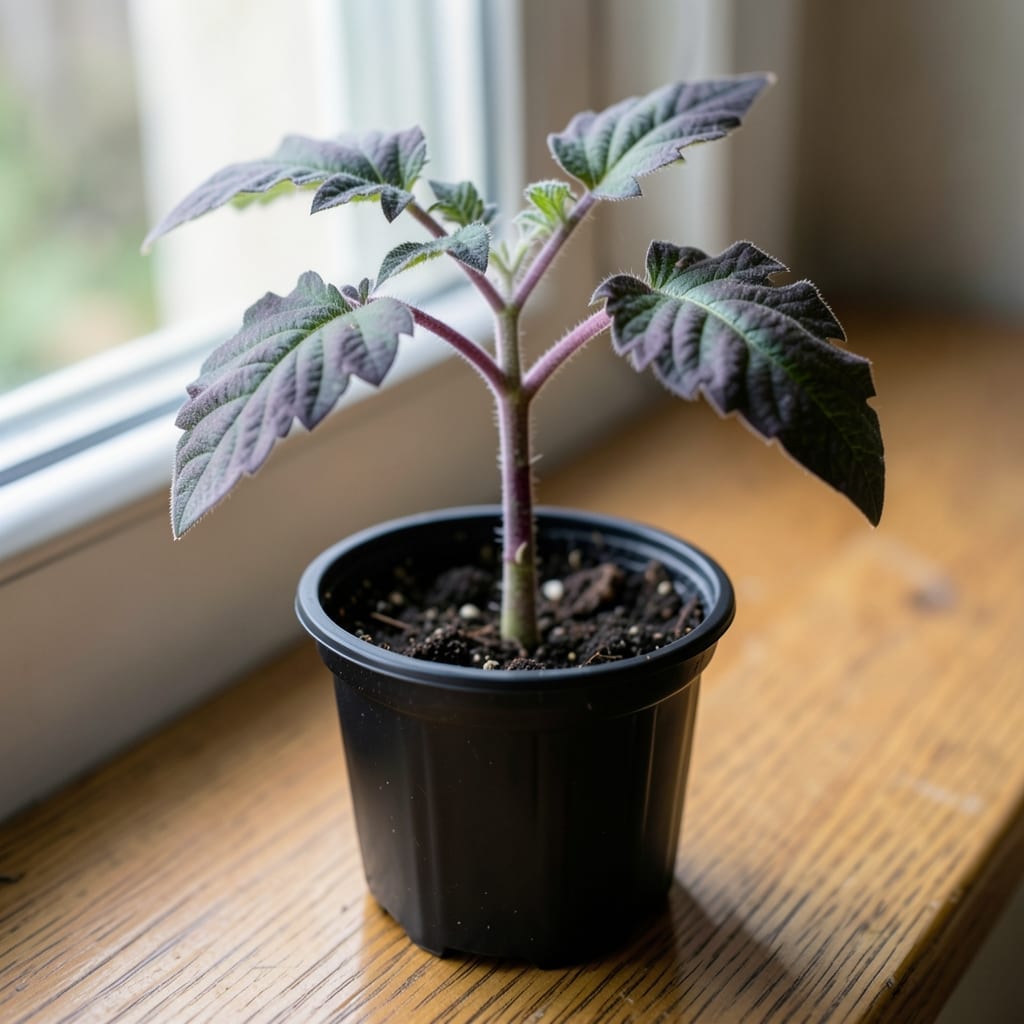
That purple tint on your seedlings isn’t just pretty—it’s a red flag. I’ve seen this happen to dozens of trays, and the culprit is almost always phosphorus deficiency or cold stress.
Most people assume it’s a watering issue, but the real problem is often soil temperature or nutrient imbalance. Seedlings need warm roots (around 70°F) and the right fertilizer to thrive, not just sunlight.
Fix it fast with a balanced fertilizer or a heat mat, and you’ll see green return within 3-5 days. The change is dramatic once the plants get what they’re missing.
Prevent it next time by starting seeds in warm, well-draining soil and avoiding overwatering. Simple tweaks, big difference.
Seedlings turning purple often signal underlying issues that disrupt their growth. Below are the most common causes, explained with actionable insights.
One of the primary reasons for purple seedlings is a phosphorus deficiency. Phosphorus is vital for energy transfer and root development. When soil temperatures are cold or pH levels are too high (above 7.5) or too low (below 6.0), phosphorus becomes less available. Seedlings may develop a purplish tint on stems and undersides of leaves as a result.
Low temperatures can slow down nutrient uptake, particularly phosphorus. If seedlings are exposed to chilly conditions (below 50°F or 10°C), their metabolism weakens, leading to purple discoloration. This is common in early spring or unheated greenhouses.
A potassium deficiency can also cause purple hues, though it’s less common than phosphorus issues. Potassium supports photosynthesis and water regulation. When lacking, leaf edges may turn purple or brown, and growth stunts. Over-fertilization with nitrogen can worsen this imbalance.
Some plant varieties, like purple basil or red cabbage, naturally develop purple pigments (anthocyanins) due to genetics. If the discoloration is uniform and the seedlings are otherwise healthy, it may simply be their natural coloring.
Purple seedlings often signal a fixable issue. Below are targeted solutions for each common cause, along with prevention tips to keep your young plants healthy and green.
If your seedlings are turning purple due to low phosphorus, use a balanced fertilizer (e.g., 10-10-10) or a phosphorus-rich option like bone meal. Apply as directed on the package, typically mixed into the soil at planting or as a side dressing. Prevention tip: 💡 Test your soil before planting to ensure adequate phosphorus levels, especially in cold or waterlogged soils where uptake is slower.
Seedlings exposed to chilly temperatures (below 50°F/10°C) may develop purple tinges. Move them to a warmer location or use a heat mat to maintain soil warmth. Covering with a cloche or row cover at night can also help. Prevention tip: 🎯 Start seeds indoors or in a greenhouse if your climate has late spring frosts.
Insufficient light can cause purple stems or leaves. Provide 12–16 hours of light daily using a grow light (LED or fluorescent) placed 2–4 inches above the seedlings. Rotate trays regularly for even exposure. Prevention tip: ✨ Place seedlings near a sunny south-facing window if natural light is your only option, but supplement with grow lights for best results.
Excess nitrogen or potassium can lock out phosphorus, leading to purple discoloration. Flush the soil with plain water to remove excess nutrients, then rebalance with a mild, complete fertilizer. Prevention tip: 📊 Avoid over-fertilizing; follow package instructions and monitor plant responses.
With these fixes, your seedlings should return to a healthy green in 7–14 days. Adjust care routines to prevent recurrence!
Yes! Temperatures below 50°F slow nutrient uptake, especially phosphorus. Move seedlings to a warmer spot or use a heat mat to maintain soil warmth.
With proper fixes like balanced fertilizer or warmth, seedlings typically regain green color within 7-14 days. Patience is key!
Indirectly, yes. Overwatering lowers soil temperature and oxygen, reducing phosphorus availability. Ensure pots have drainage and water only when the top inch feels dry.