
Beautiful Plants For Your Interior
Beautiful Plants For Your Interior
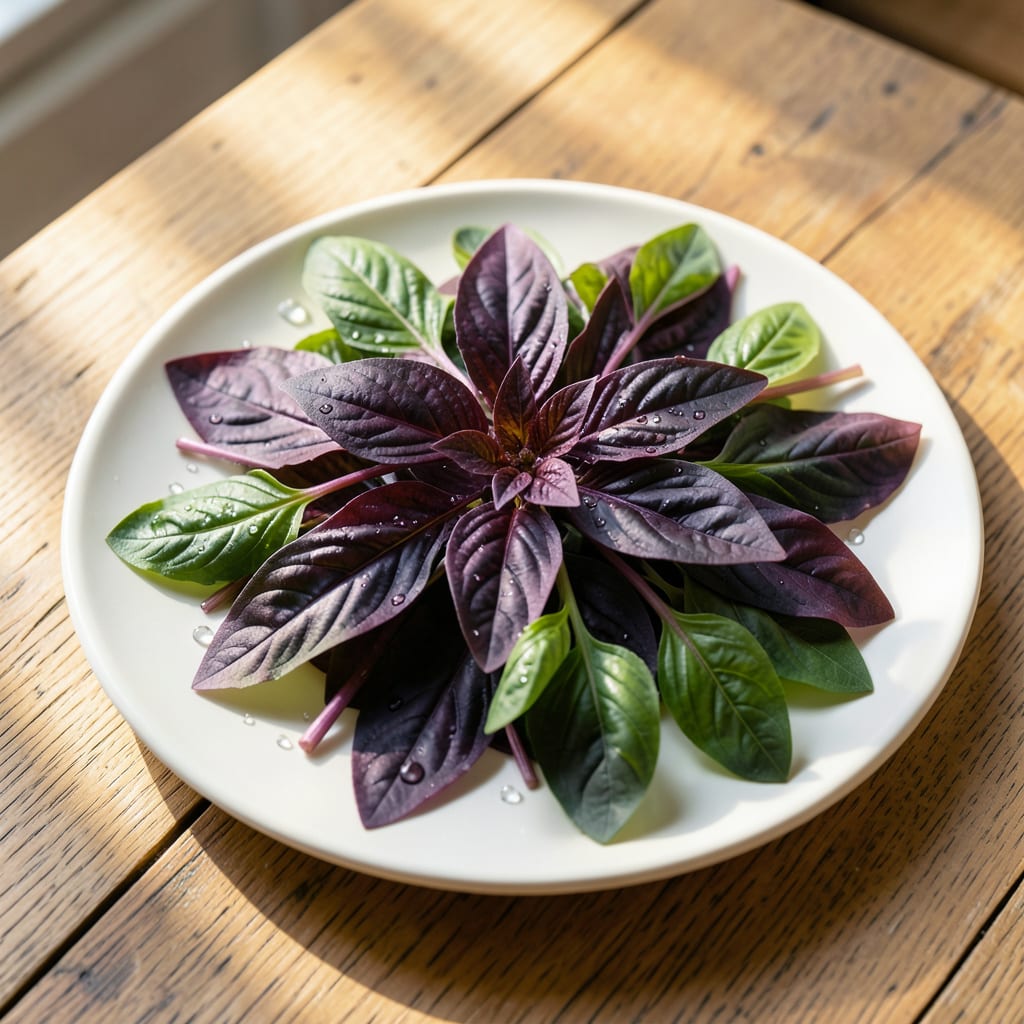
That deep purple color fading to green caught me off guard too. My first batch lost its rich hue within weeks, and I discovered it wasn’t random.
Light exposure plays the biggest role—too much direct sun bleaches the leaves, while too little prevents the anthocyanins from developing. Some varieties naturally shift as they mature, but most need consistent conditions to maintain that stunning color.
Adjusting placement and checking nutrient levels brought mine back to its bold purple in about 3 weeks. The fix is simpler than you’d think.
Even small tweaks to your setup can make a dramatic difference. Here’s what to watch for and how to respond.
The vibrant purple hues of your basil can fade to green due to a few key factors, often tied to its environment or genetics. Here’s why it happens:
Some purple basil varieties are naturally unstable in their pigmentation. The purple color comes from anthocyanins, pigments that can diminish if the plant’s genetic expression shifts. This is common in hybrids or less stable cultivars, where the plant may revert to its green ancestry over time.
Anthocyanins thrive in bright light. If your basil isn’t getting 6–8 hours of direct sunlight daily, the plant may reduce pigment production, causing the leaves to turn green. Low-light conditions signal the plant to prioritize chlorophyll (green) over anthocyanins (purple) for photosynthesis.
Extreme heat or cold can disrupt pigment synthesis. Temperatures above 90°F (32°C) or below 50°F (10°C) may suppress anthocyanin production, leading to a loss of purple coloration. Consistent, moderate temperatures help maintain the vibrant hue.
A lack of phosphorus or excessive nitrogen can alter leaf color. Phosphorus supports anthocyanin development, while too much nitrogen promotes green leafy growth at the expense of purple pigments. Test your soil and adjust fertilizers accordingly.
If your purple basil is losing its vibrant hue, don’t worry—there are simple ways to restore its rich color. Below are targeted fixes for the most common causes, along with prevention tips to keep your basil looking its best.
If your basil is exposed to intense, direct sunlight for long hours, the leaves may fade to green as a stress response. Fix: Move your plant to a spot with bright but indirect light, such as an east-facing window or under a sheer curtain. Outdoors, provide afternoon shade, especially in hot climates.
Prevention: Rotate the pot weekly to ensure even light exposure and avoid sunburn.
Purple basil needs 6–8 hours of light daily to maintain its color. If it’s too shady, the leaves may turn green. Fix: Relocate the plant to a sunnier spot or supplement with a grow light (12–14 hours/day for indoor plants).
Prevention: Monitor light levels seasonally—winter often requires extra lighting.
Soggy soil can stress the plant, leading to color loss. Fix: Check the soil—if it’s waterlogged, stop watering and let it dry out slightly. Ensure the pot has drainage holes, and use a well-draining potting mix. Trim any yellowing or mushy roots to prevent rot.
Prevention: Water only when the top inch of soil is dry, and use a saucer to catch excess water.
A lack of phosphorus (which supports pigment) can cause purple basil to revert to green. Fix: Use a balanced, water-soluble fertilizer (10-10-10 or 5-10-5) every 4–6 weeks during the growing season. For organic options, try compost tea or fish emulsion.
Prevention: Test your soil annually to address deficiencies early.
Extreme heat or cold can shock the plant, altering leaf color. Fix: Keep basil in a stable environment (65–85°F). If outdoors, bring potted basil inside during heatwaves or cold snaps.
Prevention: Avoid placing plants near drafty windows or heating vents.
Pro Tip 💡: If your basil variety is naturally unstable (e.g., ‘Dark Opal’), accept some green tinges as normal. For consistent color, choose a more stable purple cultivar like ‘Purple Ruffles’.
Yes, some varieties like ‘Dark Opal’ may revert to green as they mature. This is genetic and not always preventable.
With proper sunlight adjustments, expect to see purple hues return in about 2-3 weeks. Consistency is key for lasting results.
The color change doesn’t affect flavor or safety. Green leaves are just as edible and delicious.
Use a balanced 10-10-10 or phosphorus-rich 5-10-5 fertilizer every 4-6 weeks during growing season.
