
Beautiful Plants For Your Interior
Beautiful Plants For Your Interior
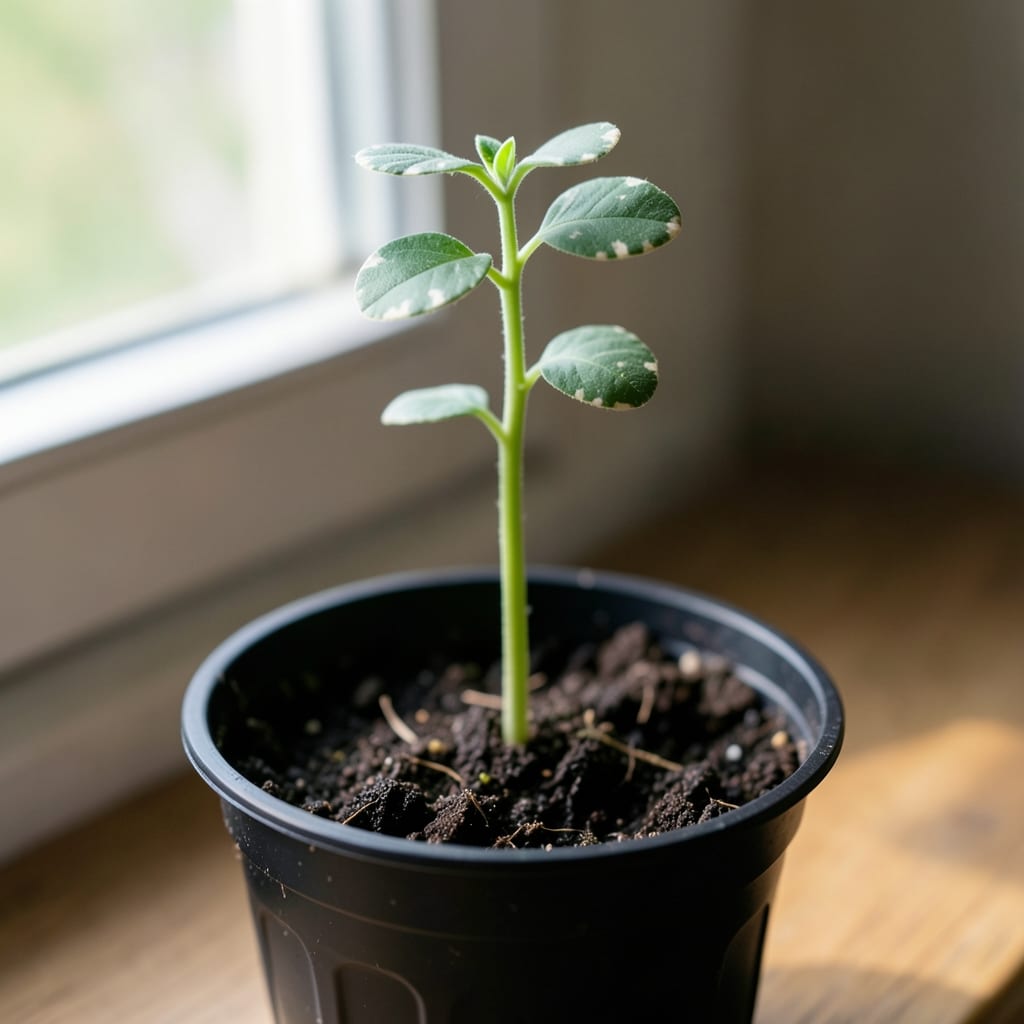
White leaves on seedlings hit me hard my first growing season. I lost a whole tray of peppers before figuring out the pattern behind the problem.
Turns out those pale or bleached leaves usually point to one of four issues: too much water, not enough light, nutrient trouble, or a sneaky fungus. The fix is often simpler than you’d think—just adjusting your routine based on what you observe.
I’ve revived dozens of trays by catching the signs early and acting fast. Most seedlings bounce back within 7-10 days once the root cause is addressed, and you’ll see fresh green growth pushing through.
Works for any seedling type, from tomatoes to herbs. Here’s how to diagnose and fix it.
Seedling leaves turning white can stem from several environmental or biological factors. Below are the most common causes, explained simply with actionable insights.
Intense direct sunlight can bleach chlorophyll, the green pigment in leaves, leading to white or pale patches. Seedlings are especially vulnerable if not acclimated (hardened off) before exposure. This is often called sunscald and appears as crisp, dry, or papery white areas on the leaf surface.
A lack of key nutrients like iron, magnesium, or nitrogen can cause chlorosis (yellowing) that progresses to white discoloration. Iron deficiency, for example, blocks chlorophyll production in new growth, while magnesium deficiency often shows as interveinal whitening in older leaves. A soil test can confirm imbalances.
Pathogens like Powdery Mildew or Downy Mildew create white, powdery, or fuzzy coatings on leaves. These fungi thrive in high humidity and poor air circulation, spreading rapidly across seedling foliage. Early signs include tiny white spots that merge into larger patches.
Sudden cold snaps or heatwaves can disrupt cellular function, leading to necrotic white or translucent tissue. Frost damage often causes wilting followed by bleached, water-soaked areas, while heat stress may result in scorched, brittle edges.
Overuse of fertilizers, pesticides, or even hard water can cause leaf burn. Excess salts or toxic residues interrupt water uptake, leading to white-tipped or margined leaves. Always flush soil with clean water if over-fertilization is suspected.
When your seedlings’ leaves start turning white, quick and targeted action can save them. Below are practical fixes for the most common causes, along with prevention tips to keep your young plants thriving.
If overexposure to sunlight is the culprit, move your seedlings to a shaded area immediately. Use a shade cloth (30-50% opacity) to filter harsh rays, especially during peak hours (10 AM–4 PM). Gradually reintroduce sunlight over a week to harden them off. Prevention tip: 💡 Start seedlings in indirect light and monitor temperature—ideal range is 65–75°F (18–24°C).
White leaves often signal a lack of nitrogen or magnesium. Apply a balanced, water-soluble fertilizer (e.g., 10-10-10) at half strength to avoid burning tender roots. For organic growers, use compost tea or fish emulsion. Prevention tip: 🌱 Test your soil before planting and amending with organic matter (like worm castings) for steady nutrient supply.
Soggy soil suffocates roots, leading to chlorosis (white/yellow leaves). Let the top inch of soil dry out between waterings. Ensure pots have drainage holes and use a well-draining potting mix with perlite or vermiculite. Prevention tip: 💧 Water in the morning and use a moisture meter to avoid guesswork.
Isolate affected seedlings to prevent spread. Treat with neem oil spray (1 tsp oil + ½ tsp mild soap per quart of water) or a copper-based fungicide. Remove severely infected leaves with sterilized scissors. Prevention tip: ✨ Space seedlings for airflow, avoid wetting leaves, and disinfect tools between uses.
Sudden cold snaps or heat spikes can shock seedlings. Use a cloche or row cover to stabilize temperature. Keep them indoors near a consistent heat source if outdoor conditions are unstable. Prevention tip: 🎯 Acclimate seedlings gradually to outdoor conditions over 7–10 days.
Yes! Most seedlings recover fully in 7-10 days once the root cause is fixed. Trim damaged leaves to redirect energy to new growth. Fresh green foliage will replace the white areas.
Use shade cloth for intense sunlight, maintain 65–75°F (18–24°C) temperatures, and ensure proper drainage. Test soil nutrients regularly to avoid deficiencies.
Remove severely damaged leaves with sterilized scissors to prevent disease spread. If the white is minor, wait to see if the leaf recovers. Always disinfect tools between uses.