
Beautiful Plants For Your Interior
Beautiful Plants For Your Interior
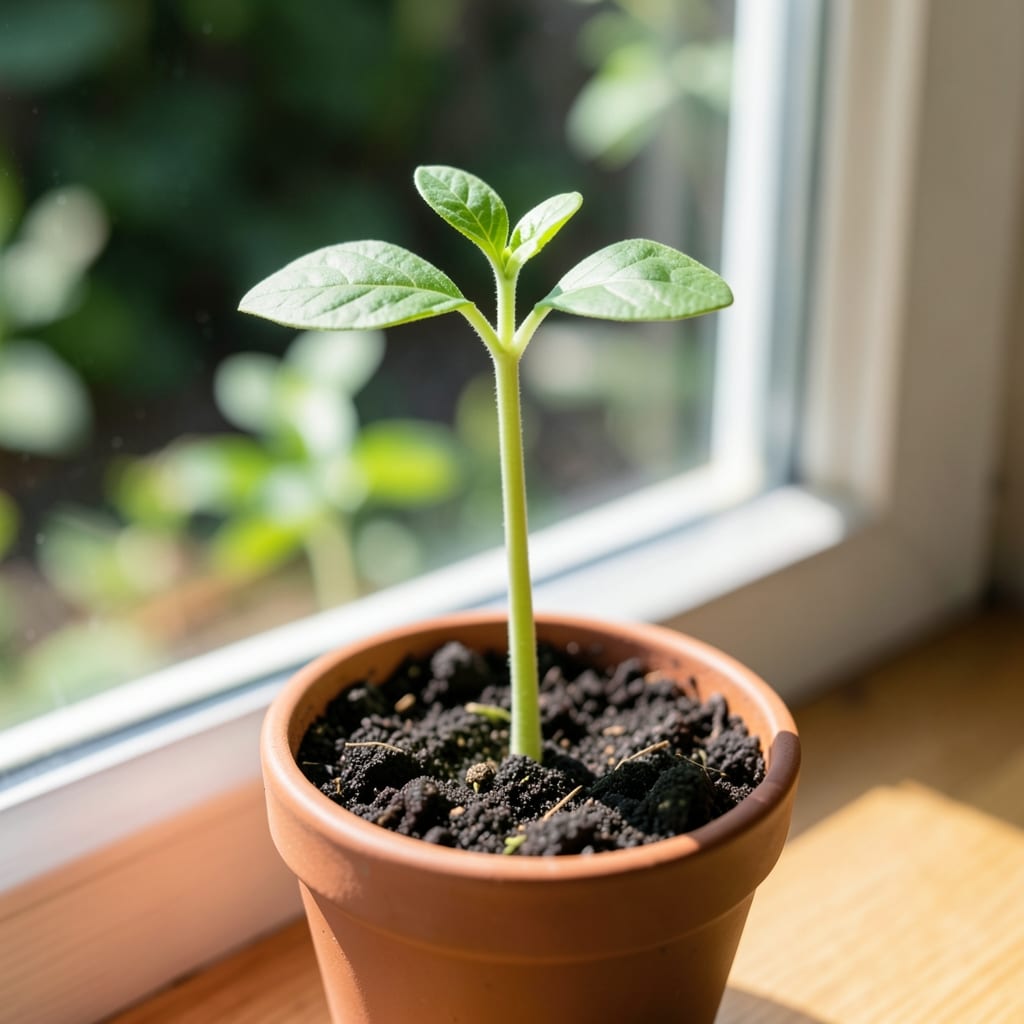
That first pair of leaves changes everything. A seed with leaves means your tiny plant is transitioning from survival mode to growth mode, and how you handle this stage determines whether it thrives or struggles.
I’ve learned the hard way that these early leaves need consistent moisture but hate soggy soil. They also demand bright, indirect light—direct sun can scorch them, while too little light makes them leggy and weak.
The real magic happens when you see the second set of true leaves appear. That’s your signal it’s ready for a gentle transplant into slightly larger space, giving roots room to stretch without shocking the system.
This stage sets the foundation for everything that comes next. Get it right here, and you’ll have strong, healthy plants ready for the next phase of growth.
Understanding why a seed sprouts with leaves attached can help you address the underlying problem. Below are the most common causes, explained scientifically.
Seeds sometimes begin germinating inside the fruit or seed pod while still attached to the parent plant. This is called vivipary and occurs when high humidity or warmth tricks the seed into thinking conditions are ideal for growth. The seed then sprouts prematurely, with leaves emerging before it detaches.
Physical damage to the seed coat—from improper handling, pests, or extreme weather—can expose the embryo to moisture and air too soon. This triggers early sprouting, leading to the unusual sight of a seed with leaves still attached.
Overwatering or poor drainage creates a consistently damp environment, which can signal the seed to germinate at the wrong time. In such cases, the seed may sprout while still encased in its outer layer, resulting in leaves growing from an unopened seed.
Rapid or extreme temperature swings can disrupt the natural dormancy period of a seed. If warmth follows a cold spell too quickly, the seed may interpret this as springlike conditions and begin growing prematurely, with leaves emerging before the seed fully detaches.
If your seeds are sprouting leaves prematurely or abnormally, these targeted fixes can help restore healthy growth. Address the root cause first for the best results.
Soggy soil suffocates roots and encourages weak, leafy growth. Fix: Let the top inch of soil dry out between waterings. Repot seedlings in a well-draining mix with perlite or sand. Ensure containers have drainage holes to prevent waterlogging.
Prevention tip: 💡 Use a moisture meter to avoid guesswork, and always water at soil level—not the leaves.
Seeds exposed to extreme heat or cold may sprout erratically. Fix: Move trays to a stable environment (65–75°F). Use a heat mat for consistent warmth, or shade seedlings if they’re in direct, harsh sunlight.
Prevention tip: 🌡️ Avoid placing seed trays near drafty windows or heaters.
Leggy, pale seedlings with oversized leaves often lack light. Fix: Place under grow lights (12–16 hours/day) or in a bright, south-facing window. Adjust light height to 2–4 inches above seedlings as they grow.
Prevention tip: ✨ Rotate trays daily for even light exposure and prevent leaning.
Too much nitrogen can push leafy growth at the expense of roots. Fix: Switch to a balanced, organic seedling fertilizer (e.g., 5-5-5) and dilute to half strength. Avoid feeding until true leaves appear.
Prevention tip: 🎯 Start with a light, nutrient-poor seed-starting mix to avoid overfeeding.
With these adjustments, your seedlings should regain strength and grow as intended. Consistency in care is key!
Those initial leaves (cotyledons) provide early nutrition as the plant develops. They’ll fall off once true leaves appear, which handle photosynthesis. Keep soil moist but not soggy during this stage.
Provide 12-16 hours of bright, indirect light daily. South-facing windows work, but grow lights are more consistent. Keep lights 2-4 inches above plants and adjust as they grow.
This “leggy” growth usually means insufficient light. The plants stretch toward light sources. Move them closer to a window or add grow lights immediately to strengthen stems.
Wait until they have 2-3 sets of true leaves and are 2-3 inches tall. This usually takes 4-6 weeks. Handle gently to avoid shocking the roots.