
Beautiful Plants For Your Interior
Beautiful Plants For Your Interior
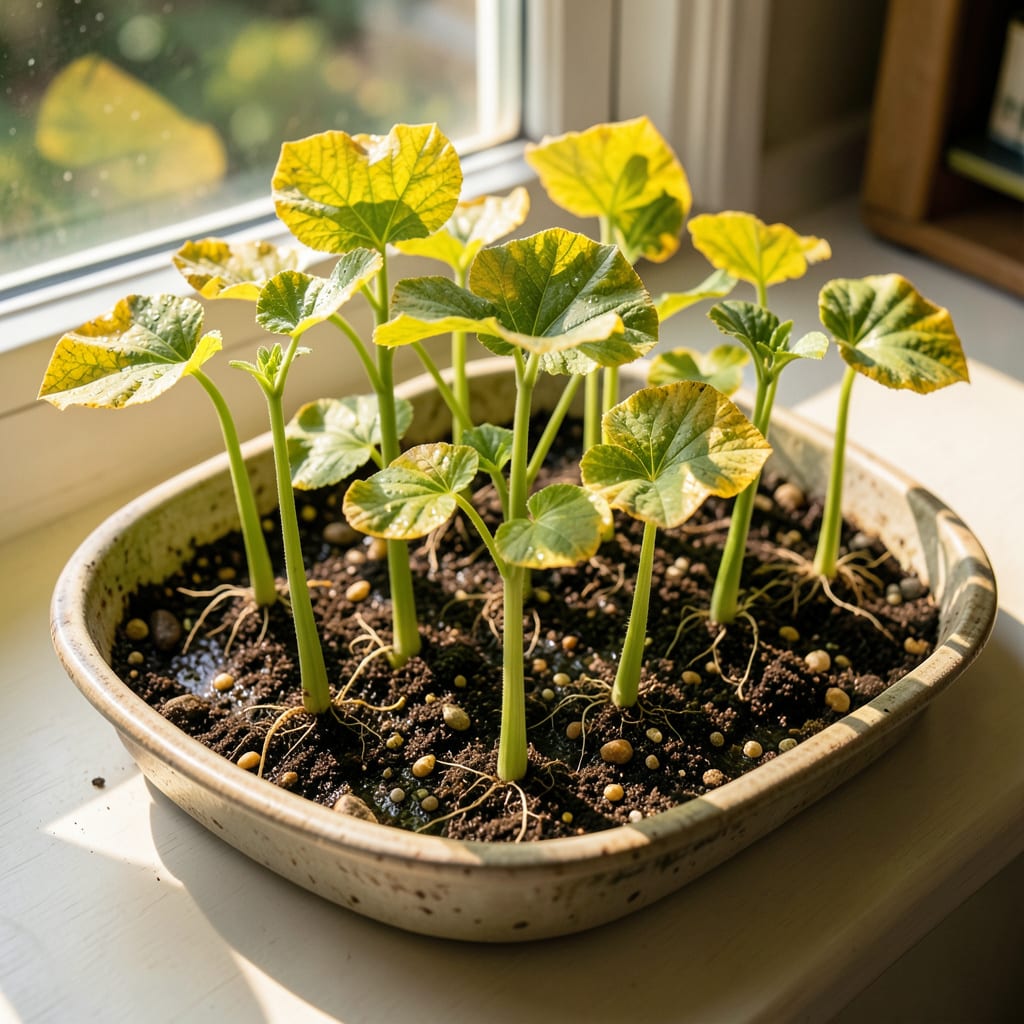
Yellow leaves on okra seedlings hit different—like a gut punch after all that care. I’ve been there, staring at sad, pale plants wondering what went wrong. The good news? It’s usually fixable once you know what to look for.
Most times, it’s not disease but something simpler: too much water, not enough light, or soil that’s missing key nutrients. Nitrogen deficiency shows up as uniform yellowing, while iron shortage turns leaves yellow with green veins.
Here’s the thing—okra seedlings bounce back fast with the right fix. Adjust your watering, check your soil, or add a gentle fertilizer. You’ll see improvement within days if you catch it early.
Prevention is easier than cure. Start with well-draining soil, consistent moisture, and a sunny spot. Your seedlings will thank you with strong, vibrant green growth.
Yellow leaves on okra seedlings often signal a lack of essential nutrients. Nitrogen deficiency is a primary culprit, causing uniform yellowing (chlorosis) of older leaves first, as the plant redirects nitrogen to newer growth. Magnesium deficiency appears as interveinal yellowing—leaves turn yellow between the veins while the veins stay green. Iron deficiency also triggers interveinal chlorosis but typically affects younger leaves first. Test your soil to confirm deficiencies, and amend with organic matter or targeted fertilizers like epsom salt (for magnesium) or chelated iron.
Okra thrives in well-drained soil. Overwatering or compacted soil suffocates roots, reducing their ability to absorb nutrients and oxygen. This leads to root rot and yellowing leaves, often accompanied by wilting or stunted growth. Check soil moisture by inserting your finger 1-2 inches deep—if it feels soggy, reduce watering. Ensure pots have drainage holes, and amend garden beds with perlite or sand to improve drainage.
Okra seedlings require full sun (6-8 hours daily). Insufficient light disrupts photosynthesis, causing leaves to turn pale yellow or white. Conversely, sunburn from sudden exposure to intense sunlight can scorch leaves, leading to yellow or brown patches. Gradually harden off seedlings before transplanting, and provide shade cloth if temperatures exceed 90°F (32°C) during peak hours.
Sap-sucking pests like aphids, whiteflies, or spider mites drain nutrients from leaves, causing yellowing, curling, or speckling. Inspect the undersides of leaves for tiny insects or webbing. Treat infestations with neem oil or insecticidal soap, and introduce beneficial insects like ladybugs for natural control.
Yellowing leaves on okra seedlings usually signal a fixable issue. Below are targeted solutions for the most common causes, along with prevention tips to keep your plants thriving.
Fix: Test your soil to identify missing nutrients. For nitrogen deficiency, apply a balanced fertilizer (10-10-10) or organic options like compost or fish emulsion. If iron or magnesium is lacking, use chelated iron or Epsom salt (1 tablespoon per gallon of water) as a foliar spray.
Prevent: Enrich soil with compost before planting and use a slow-release fertilizer during the growing season. Rotate crops annually to avoid depleting nutrients.
Fix: Let the soil dry slightly between waterings. If drainage is poor, repot seedlings in well-draining soil or add perlite/sand to the mix. Trim any black, mushy roots to prevent rot.
Prevent: Use containers with drainage holes and water only when the top inch of soil feels dry. Mulch around plants to retain moisture without waterlogging.
Fix: Inspect leaves for aphids, spider mites, or whiteflies. Spray with insecticidal soap or neem oil (1 teaspoon per quart of water) to dislodge pests. For severe cases, introduce beneficial insects like ladybugs.
Prevent: Keep the garden clean of debris and weeds where pests hide. Companion plant with marigolds or basil to repel insects naturally.
Fix: Okra needs 6–8 hours of sunlight daily. If leaves yellow from sunburn, provide afternoon shade. For leggy, pale seedlings, move them to a sunnier spot or supplement with grow lights.
Prevent: Start seeds in a location with consistent sunlight and harden off seedlings gradually before transplanting outdoors.
Fix: Okra thrives in warm weather (75–90°F). If nights are chilly, cover seedlings with row fabric. For heat stress, provide shade cloth and water deeply in the early morning.
Prevent: Plant after the last frost when soil is warm. Use black plastic mulch to retain heat in cooler climates.
💡 Pro Tip: Always water at the base to avoid wetting leaves, which can invite fungal diseases.
Overwatered seedlings have soggy soil and may wilt despite wet conditions. Nutrient deficiency shows as yellowing patterns: uniform for nitrogen, between veins for magnesium or iron. Check soil moisture first—if it’s waterlogged, hold off on watering.
Severely yellowed leaves won’t recover, but new growth will be green once the issue is fixed. For nutrient problems, you’ll see improvement in 7-10 days after treatment. Remove badly affected leaves to redirect energy.
Dissolve 1 tablespoon Epsom salt in a gallon of water and spray directly on leaves. This foliar feed works within 24-48 hours. For soil application, work 1 cup of Epsom salt per 100 sq ft into the ground.
Yes, remove severely yellowed leaves to prevent nutrient drain and reduce pest hiding spots. Use clean scissors and cut at the stem base. Never remove more than 1/3 of the plant at once.
