
Beautiful Plants For Your Interior
Beautiful Plants For Your Interior
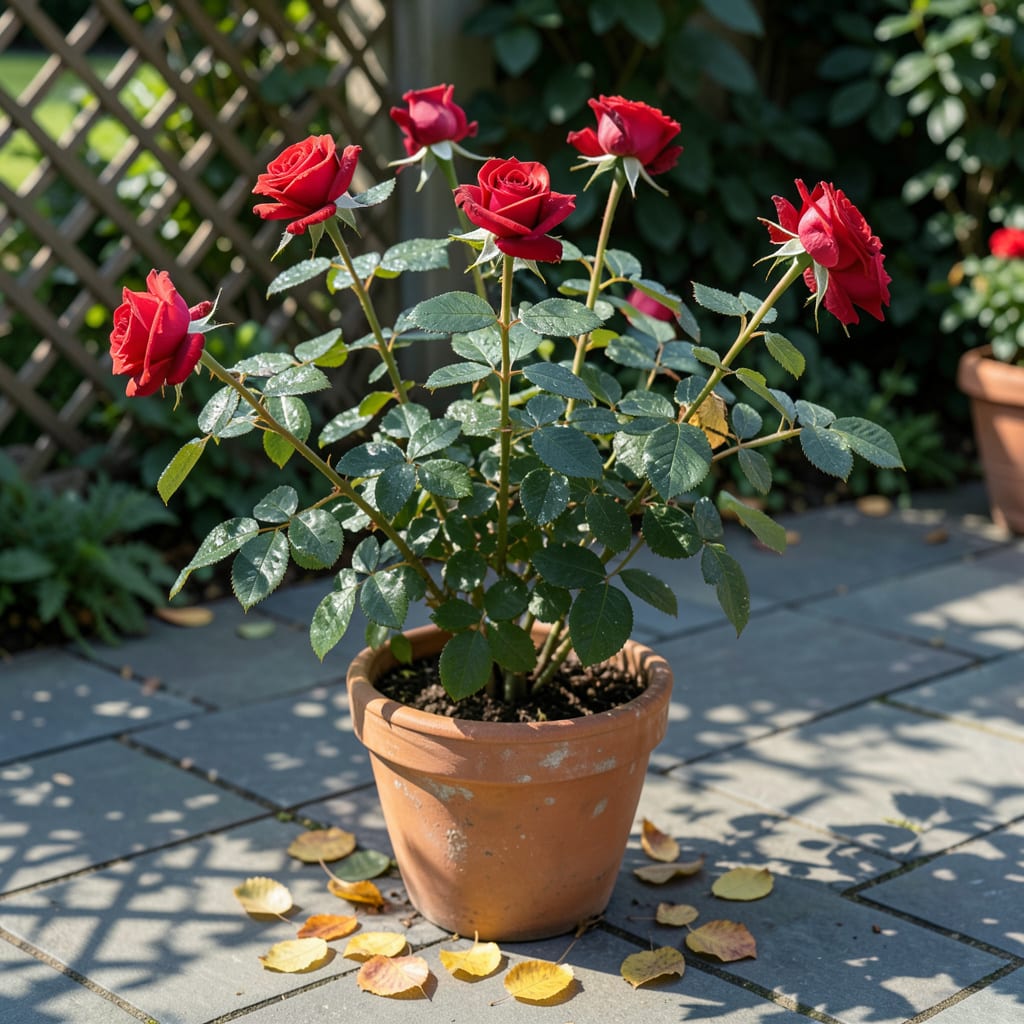
My rose bush looked healthy yesterday—today it’s dropping leaves like it’s going out of style. 🌿 This isn’t just sad; it’s a distress signal, and the causes range from sneaky pests to simple watering mistakes.
I’ve seen black spot fungus, spider mites, and even over-fertilizing trigger this exact problem. The good news? Most issues are fixable with quick action and the right organic remedies.
You’ll stop the leaf drop within a week or two once you identify the culprit. Then, your bush will bounce back with stronger growth and more blooms than before.
Works for all rose types, from climbers to hybrid teas. Let’s diagnose and treat this fast.
Roses shed leaves as a stress response, often signaling an underlying issue. Below are the most common causes, explained with actionable insights.
Extreme temperatures, drought, or sudden weather shifts disrupt a rose bush’s physiology. Heat stress causes rapid moisture loss, leading to leaf scorch and drop. Similarly, frost damage ruptures cell walls, prompting foliage to wither. Check soil moisture—if the top inch is dry, water deeply at the base to prevent dehydration.
Pathogens like black spot (Diplocarpon rosae) or powdery mildew thrive in humid conditions, infecting leaves and forcing the plant to jettison them to contain the spread. Look for dark spots with yellow halos or white powdery coatings. Improve airflow by pruning dense foliage and avoid overhead watering to reduce spores.
Sap-sucking pests such as aphids, spider mites, or rose slugs drain nutrients, weakening the plant. Heavy infestations trigger leaf yellowing and drop. Inspect undersides of leaves for clusters or webbing. Blast pests off with water or apply neem oil at dusk for organic control.
A lack of nitrogen (pale leaves), magnesium (yellowing between veins), or potassium (brown leaf edges) can cause premature leaf loss. Test soil pH—roses prefer 6.0–6.5. Amend with compost or a balanced organic fertilizer to restore nutrient balance.
Over- or under-fertilizing, poor drainage, or root damage from aggressive pruning can stress the bush. Roots suffocate in waterlogged soil, while compacted soil restricts nutrient uptake. Loosen soil gently and mulch with organic matter to improve structure and moisture retention.
If your rose bush is losing leaves, don’t panic—there are practical ways to bring it back to health. Below are targeted solutions for common causes, along with prevention tips to keep your roses thriving.
Fix: Let the soil dry out between waterings. If the roots are soggy, improve drainage by mixing in compost or sand. Ensure pots have drainage holes.
Prevention: Water deeply but only when the top inch of soil is dry. Use a moisture meter if unsure.
Fix: Spray leaves with a mix of 1 tsp mild soap + 1 quart water to deter aphids, spider mites, or thrips. For severe cases, use neem oil (follow label instructions).
Prevention: Inspect leaves weekly for pests. Encourage beneficial insects like ladybugs by planting companion flowers.
Fix: Remove infected leaves and treat with baking soda spray (1 tbsp baking soda + 1 tsp oil + 1 gallon water). Prune to improve airflow.
Prevention: Avoid overhead watering. Space plants apart and clean up fallen debris to reduce spores.
Fix: Shield roses from extreme heat or wind with shade cloth. Mulch to retain moisture and regulate soil temperature.
Prevention: Plant roses in a spot with morning sun and afternoon shade in hot climates.
Fix: Apply a balanced organic fertilizer (e.g., 10-10-10) or compost tea. Yellow leaves may signal nitrogen deficiency—add blood meal.
Prevention: Feed roses monthly during growing season. Test soil pH (ideal: 6.0–6.5) and amend if needed.
With these steps, your rose bush can bounce back and bloom beautifully! 🌹
Check the undersides of leaves for tiny insects or webbing. Aphids appear as green or black clusters, while spider mites create fine silk threads.
Minor leaf drop in extreme heat is normal, but excessive loss signals stress. Provide afternoon shade and maintain consistent watering during hot spells.
Yes, too much fertilizer burns roots and triggers stress. Use a balanced organic formula and follow label instructions—typically every 4-6 weeks.
Remove affected leaves immediately and spray with neem oil or soapy water. Improve air circulation by pruning crowded branches.
