
Beautiful Plants For Your Interior
Beautiful Plants For Your Interior
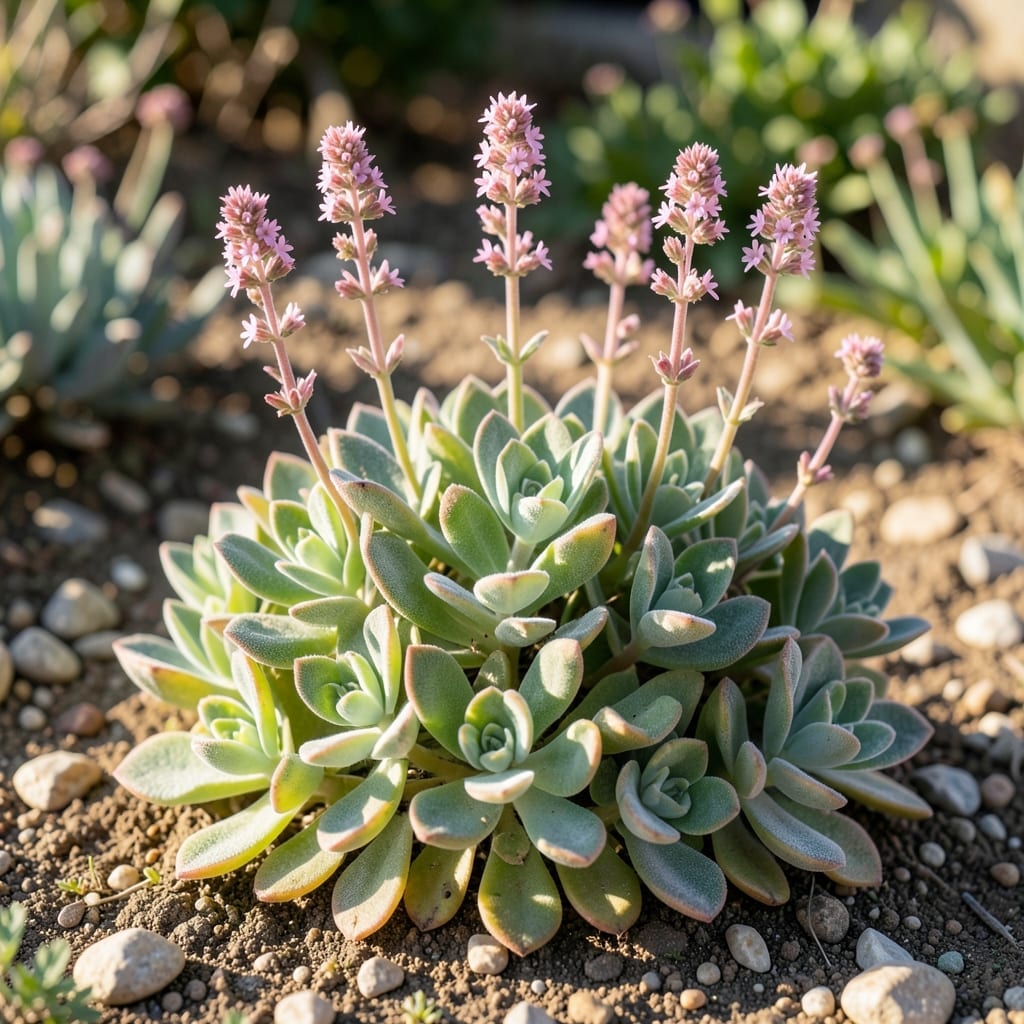
White powder on your sedum leaves isn’t just unsightly—it’s a fungal party you didn’t invite. I’ve battled this exact issue in my own garden, and the good news is it’s both preventable and treatable.
Powdery mildew thrives in humid conditions with poor air circulation. The first sign is usually a dusty white coating on the upper leaves, but catch it early and you can stop it in its tracks without harsh chemicals.
Simple fixes like improving airflow, avoiding overhead watering, and using a baking soda spray often do the trick. For stubborn cases, organic fungicides or neem oil can help restore your plants to their vibrant green glory.
With the right approach, your sedum will bounce back stronger and more resistant to future outbreaks. Here’s how to take control.
Powdery mildew on Sedum doesn’t appear out of nowhere—it’s triggered by a mix of environmental and cultural conditions. Here’s what sets the stage for this fungal invader:
The fungus Erysiphe spp. thrives in humid conditions (60–80% relative humidity) with stagnant air. When Sedum leaves stay damp for extended periods—especially in crowded plantings or shaded spots—spores germinate rapidly. Overhead watering worsens this by prolonging leaf wetness.
Watering from above leaves moisture on foliage, creating a perfect breeding ground. Sedum’s fleshy leaves retain water longer than thinner ones, giving fungal spores time to infect. Drip irrigation or soaker hoses at the base are safer alternatives.
While Sedum tolerates partial shade, prolonged low light weakens its defenses. Shaded plants produce softer growth with thinner cuticles, making them more susceptible to powdery mildew penetration. Full sun (6+ hours) strengthens cell walls, acting as a natural deterrent.
Excess nitrogen (especially from high-nitrogen fertilizers) promotes lush, tender growth that’s more prone to infection. Conversely, phosphorus and potassium support stronger cell structures. A balanced, slow-release fertilizer helps maintain resistance.
Addressing these triggers—improving airflow, adjusting watering, ensuring sunlight, and balancing nutrients—can significantly reduce outbreaks.
Powdery mildew on your sedum can be frustrating, but these targeted fixes will help you restore plant health and prevent future outbreaks. Address the root cause first, then apply the right solution.
Fix: Improve circulation by spacing plants at least 12–18 inches apart. Prune overcrowded stems to let air flow freely. Prevention tip: 💡 Water at the base in the morning so foliage dries quickly, and avoid overhead sprinklers.
Fix: Switch to drip irrigation or a soaker hose to keep leaves dry. If you must use a sprinkler, water early in the day so moisture evaporates by evening. Prevention tip: ✨ Mulch with gravel to reduce soil splash and humidity around the base.
Fix: Move sedum to a sunnier spot (6+ hours of direct light daily). Thin out nearby plants or trim tree branches blocking sunlight. Prevention tip: 🎯 Use balanced fertilizer in spring to strengthen plants, but avoid high-nitrogen feeds that promote soft, susceptible growth.
Fix: Remove and destroy heavily infected leaves or stems (do not compost). Spray remaining plants with neem oil or a baking soda solution (1 tsp baking soda + 1 quart water + a drop of dish soap) every 7–10 days until symptoms disappear. Prevention tip: 🌡️ Rotate treatments to prevent resistance, and always sterilize pruning tools with rubbing alcohol.
Look for a white, powdery coating on the upper surfaces of leaves. It often starts on older leaves and spreads to new growth if untreated.
Yes, a solution of 1 part vinegar to 3 parts water can help. Spray it on affected plants weekly, but avoid using it in direct sunlight to prevent leaf burn.
Rarely, but it can weaken the plant and reduce its vigor. Severe cases may cause leaf drop or stunted growth. Treat early to prevent long-term damage.
Ensure good airflow, avoid overhead watering, and plant in full sun. Remove fallen leaves and debris to reduce fungal spores.