
Beautiful Plants For Your Interior
Beautiful Plants For Your Interior
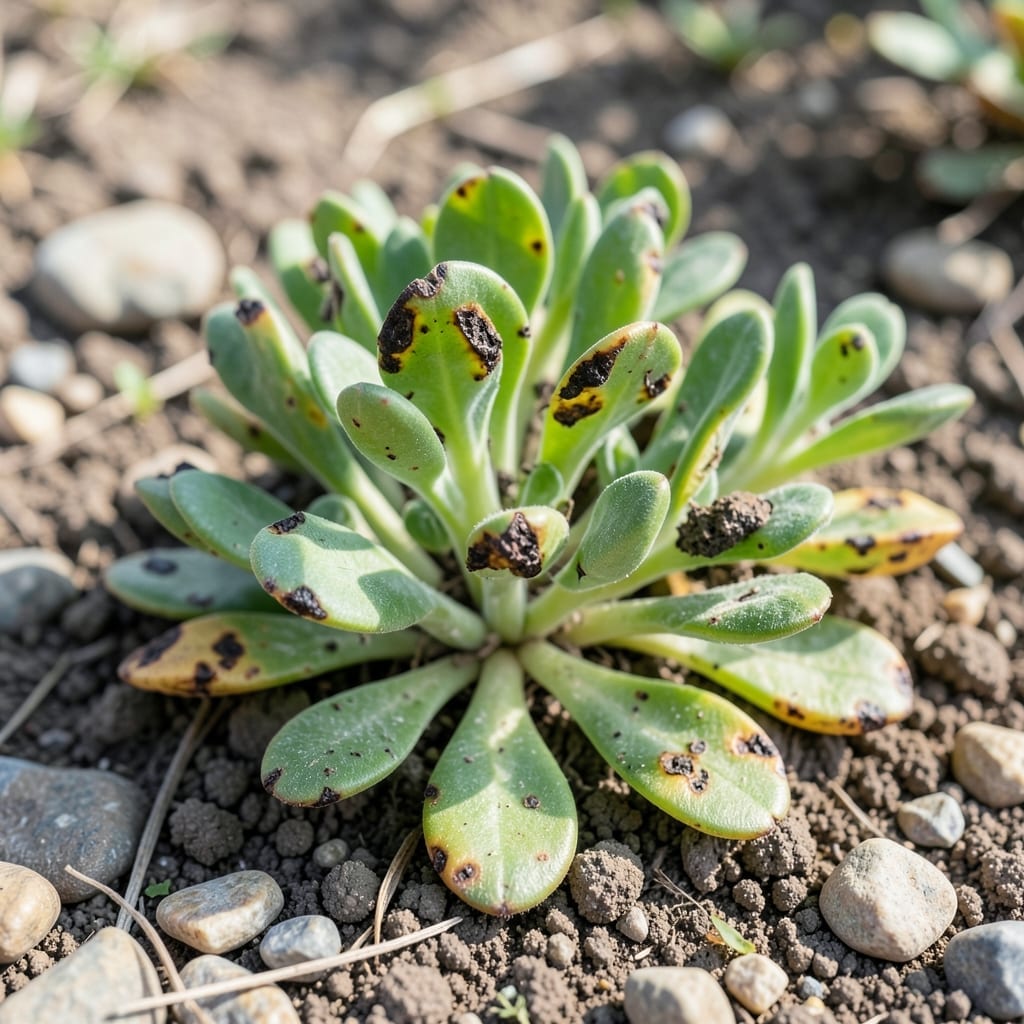
Sedum plants are tough, but even they get sick sometimes. I’ve seen healthy patches turn to mush overnight, and it’s always a sign something’s wrong in the growing conditions.
Most problems start with too much water or poor air flow. Root rot, leaf spots, and powdery mildew show up when these succulents sit in damp soil or crowded spaces for too long.
The good news? Catching issues early means simple fixes—adjust watering, improve drainage, or remove infected parts. Prevention is even easier with the right growing habits.
Healthy sedum bounce back fast when you know what to look for. Here’s how to keep them thriving with minimal effort.
Sedum plants are hardy, but even they can fall victim to diseases when conditions turn against them. Understanding the root causes helps you prevent issues before they start. Here’s why sedum plant diseases take hold:
Sedums thrive in dry, well-draining soil. When water pools around their roots—due to overwatering, heavy clay soil, or compacted beds—fungal pathogens like Phytophthora and Pythium flourish. These organisms attack the roots, causing rot and wilting. Botrytis cinerea (gray mold) also spreads rapidly in humid, wet conditions, especially in crowded plantings.
Stagnant air traps moisture on leaves, creating a breeding ground for powdery mildew (Erysiphe spp.) and rust (Puccinia spp.). Sedums in dense clusters or shaded areas are particularly vulnerable. Without proper ventilation, spores settle and germinate, leading to unsightly white or orange patches on foliage.
Physical damage from pruning, pests, or harsh weather weakens sedums, making them susceptible to bacterial soft rot (Erwinia spp.) and viral infections. Stressors like nutrient deficiencies or extreme temperatures further compromise their defenses, allowing pathogens to invade through cuts or stomata.
Aphids, leafhoppers, and other pests don’t just damage sedums—they transmit viruses like Sedum yellows. Similarly, dirty pruning shears or contaminated soil can introduce Fusarium or Verticillium wilt, which clog the plant’s vascular system, starving it of water and nutrients.
When your sedum plants show signs of trouble, quick and targeted solutions can restore their health. Below are practical fixes for the most common problems, along with prevention tips to keep them thriving.
If your sedum’s roots are mushy or blackened, it’s likely suffering from root rot due to overwatering or poor drainage. Stop watering immediately and let the soil dry out completely. Repot the plant in fresh, well-draining soil, and ensure the container has drainage holes. Trim away any affected roots with clean scissors before replanting.
Prevention tip: 💡 Use a gritty or sandy soil mix and water only when the top inch of soil is dry.
For aphids or mealybugs, spray the plant with a strong stream of water to dislodge them. For stubborn infestations, apply insecticidal soap or neem oil, repeating every 5–7 days until the pests are gone. Avoid harsh chemicals that can damage sedum’s delicate leaves.
Prevention tip: 🌡️ Inspect new plants before introducing them to your garden and maintain good airflow around your sedum.
Powdery mildew appears as a white, powdery coating on leaves. Remove infected leaves and improve airflow by spacing plants apart. Treat with a fungicide like sulfur or potassium bicarbonate, or use a homemade mix of 1 part milk to 9 parts water, sprayed weekly.
Prevention tip: ✨ Avoid overhead watering and keep foliage dry, especially in humid conditions.
If your sedum’s leaves look bleached or crispy, it may be getting too much direct sun. Move the plant to a spot with partial shade, especially during the hottest part of the day. Gradually reintroduce it to full sun to prevent shock.
Prevention tip: 🎯 Acclimate indoor sedum to outdoor light slowly over a week or two.
Look for wilting, yellowing leaves, and mushy black roots. A foul odor from the soil is another clear sign. Act fast—trim affected roots and repot in fresh, dry soil.
White, powdery spots usually mean powdery mildew. Improve airflow and avoid overhead watering. Treat with a milk-water spray or fungicide if needed.
Yes! Sedums store water in their leaves and need very little. Too much moisture leads to root rot and fungal diseases. Water only when soil is completely dry.
Ensure good drainage, space plants apart for airflow, and avoid wet foliage. Healthy sedum in the right conditions rarely gets sick.