
Beautiful Plants For Your Interior
Beautiful Plants For Your Interior
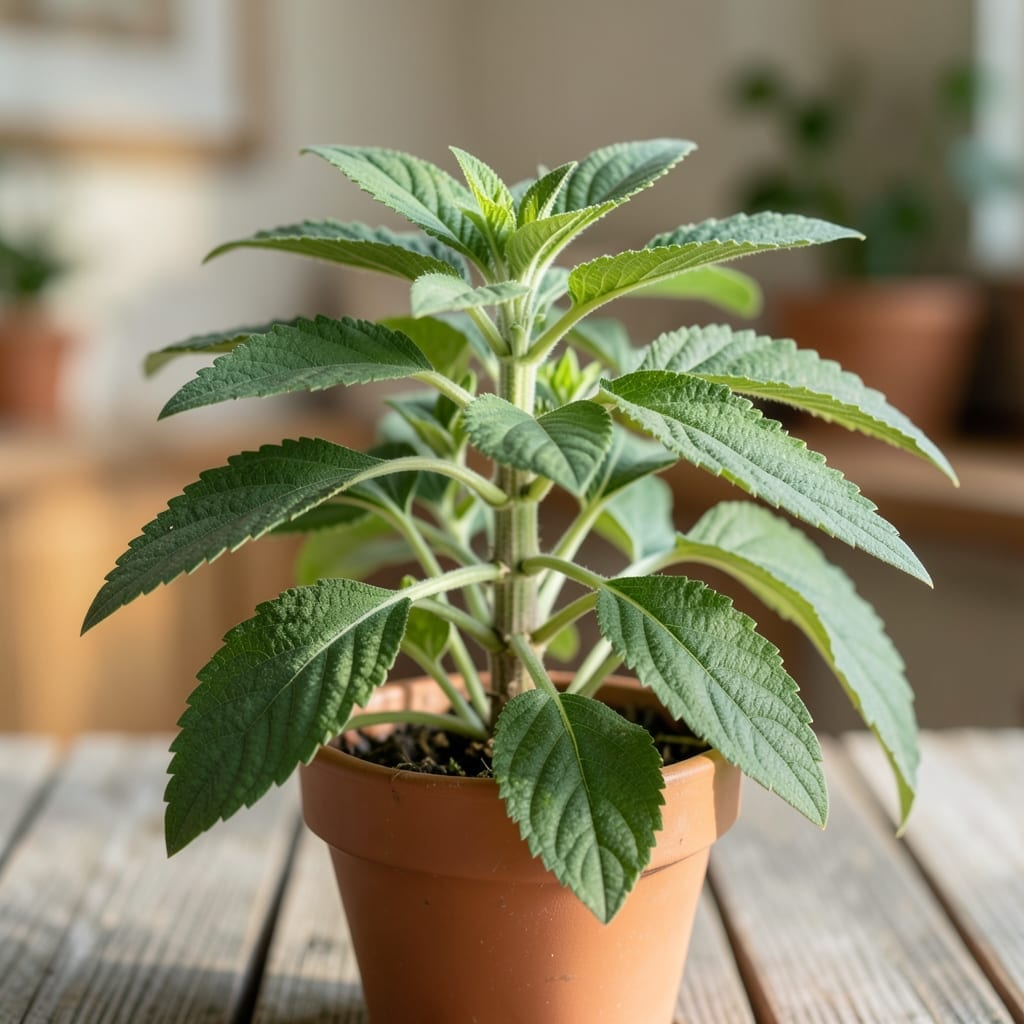
Growing Salvia divinorum changed how I approach shade-loving plants. The key is replicating its native Oaxacan cloud forest conditions—warmth, humidity, and indirect light work wonders.
With the right setup, you’ll see vigorous growth and potent leaves within months. Always check local regulations first, as this plant has unique legal considerations in some areas.
📚 In This Guide
Here’s the method I’ve refined over years for cultivating this unique plant with impressive results.
Start with a sterile seed-starting mix in shallow trays, as this species requires precise conditions to sprout. Maintain a consistent soil temperature of 70-75°F—any lower and germination stalls, any higher risks drying out the delicate seeds. I use a seedling heat mat to ensure stability, especially in cooler climates.
Mist the surface lightly until evenly moist but not waterlogged. Cover the tray with a humidity dome to retain warmth and moisture. You’ll see the first signs of life in 10-20 days, though patience is key—some seeds may take longer to break dormancy.
Once seedlings emerge, move them to bright, indirect light. A full-spectrum LED grow light positioned 12-18 inches above the plants works best, running for 14-16 hours daily. Direct sunlight can scorch tender leaves, so filter it with a sheer curtain if using natural light.
Keep the soil consistently moist but never soggy. I water from below by placing the tray in a shallow dish of water, allowing the mix to wick up moisture. This prevents water from pooling on the leaves, which can lead to fungal issues. Watch for the soil surface to turn a lighter shade—that’s your cue to water again.
Salvia divinorum thrives in humidity levels of 60-70%. A small humidifier near the plants or a pebble tray filled with water can help achieve this. If the air is too dry, the leaf edges will brown, a sign you need to increase moisture.
Keep the ambient temperature between 65-80°F during the day, with a slight drop at night. Avoid drafts or sudden temperature swings, as this plant is sensitive to environmental stress. A stable environment encourages vigorous, healthy growth.
When seedlings develop 2-3 sets of true leaves, transplant them into individual pots filled with a well-draining potting mix. Use containers that are 4-6 inches deep to accommodate the root system. Handle the seedlings by their leaves, not stems, to avoid damage.
After transplanting, keep the plants in a shaded area for 2-3 days to reduce transplant shock. Gradually reintroduce light over the following week. This step is critical—rushing it can set back growth by weeks.
Once plants reach 12-18 inches tall, begin pruning the top 1-2 inches of growth to encourage bushiness. This also promotes higher concentrations of active compounds in the leaves. Use clean, sharp scissors to make precise cuts just above a leaf node.
Harvest leaves in the morning when their essential oils are most concentrated. Dry them in a dark, well-ventilated space for 5-7 days until they crumble easily. Store in an airtight container away from light to preserve potency.
Small adjustments in your growing environment can dramatically improve germination rates and leaf potency.
The Heat Factor: That 70-75°F soil temperature in Step 1 isn’t just a suggestion—it’s critical. Any lower and you’ll watch seeds sit dormant for weeks. I learned this the hard way after losing an entire batch to a cold spell. A seedling heat mat with a thermostat is worth every penny for consistent results.
Light Positioning: In Step 2, the 12-18 inches distance for your full-spectrum LED is non-negotiable. Too close and you’ll scorch the seedlings; too far and they’ll stretch into weak, leggy plants. I use a simple ruler to measure—no eyeballing this one.
Humidity Hack: For the 60-70% humidity requirement in Step 3, a pebble tray works, but a small humidifier is more reliable. Here’s what nobody tells you—brown leaf edges appear within hours if humidity drops, so monitor this daily. Between us, this is the most common mistake beginners make.
Transplant Timing: Don’t rush Step 4. Those 2-3 days of shade after transplanting aren’t optional. I tried cutting this short once and set my plants back by three weeks. The shock is real, and the recovery time isn’t worth the risk.
Salvia divinorum typically takes 3-6 months to mature from cutting to harvestable leaves, depending on light, humidity, and care. Patience is key for potent yields!
Yes! It thrives indoors with bright, indirect light (like a south-facing window) and high humidity (60-80%). Use grow lights if natural light is insufficient.
Consider Salvia officinalis (common sage) for ornamental use, but note it lacks the active compound salvinorin A. Always verify legality in your area.
Yellowing often signals overwatering, poor drainage, or nutrient deficiencies. Check soil moisture and ensure pots have drainage holes. Adjust care as needed.
Store in an airtight container away from light, heat, and moisture. For long-term potency, keep in a cool, dark place like a pantry or fridge.